




403
Sorry!!
Error! We're sorry, but the page you were looking for doesn't exist.
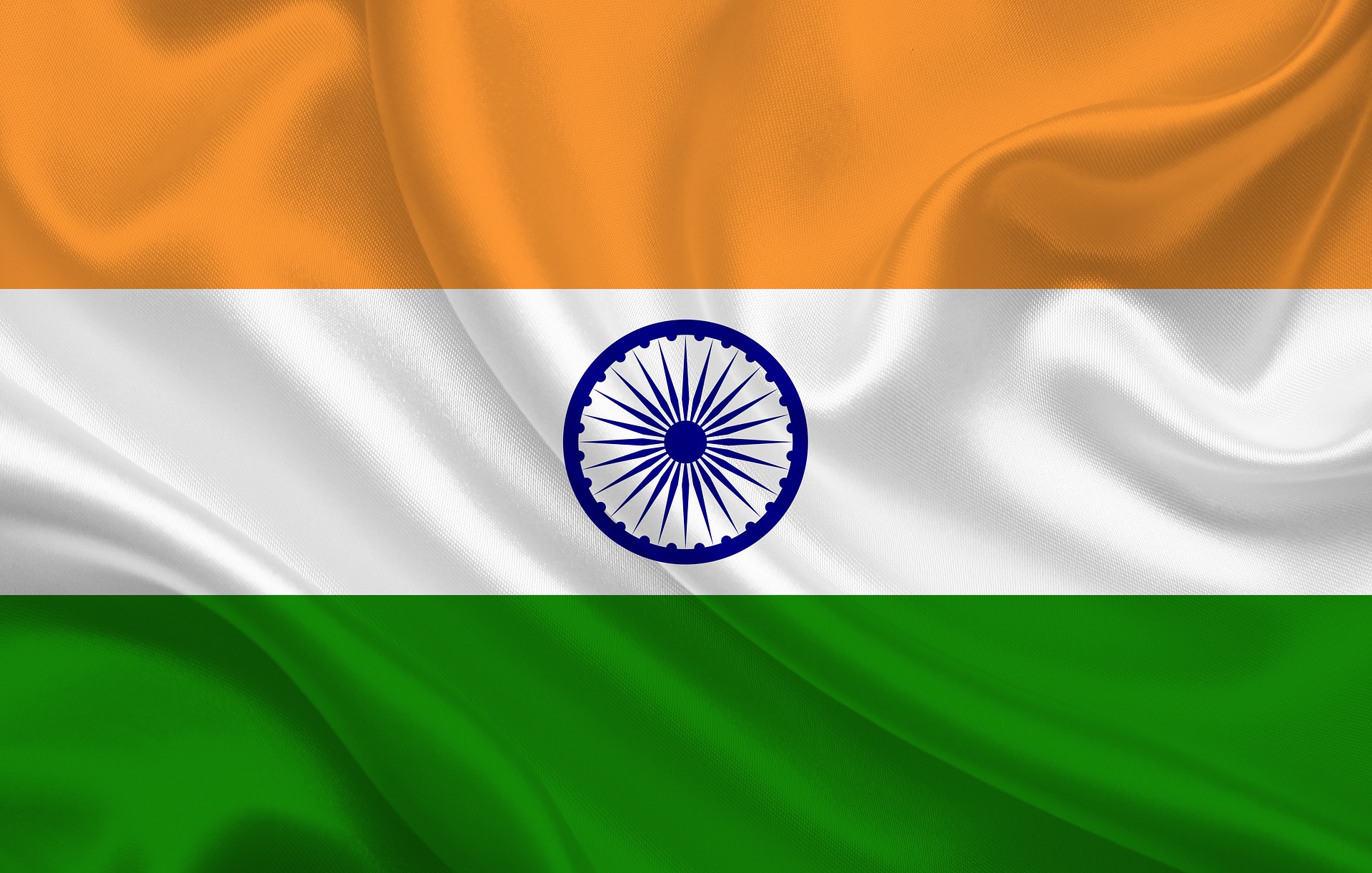
India`s top court sustains verdict to take away Kashmir`s ‘special’ rank
(MENAFN) In a significant legal development, India's Supreme Court has affirmed the government's decision, led by Prime Minister Narendra Modi, to repeal Article 370 of the constitution, which granted special status to the Muslim-majority region of Jammu and Kashmir. The decision, made in 2019, marked a pivotal shift in the region's autonomy that had been in place since the end of British rule in 1947.
The apex court's five-judge constitution bench, led by Chief Justice Dhananjaya Yeshwant Chandrachud, emphasized that Article 370 was a temporary provision, established under specific wartime conditions in the state. The court's ruling clarified that the special status was not a grant of sovereignty to Jammu and Kashmir upon its accession to India.
This legal pronouncement comes as a response to over a dozen petitions challenging the constitutionality of revoking Jammu and Kashmir's special status. The controversial decision also included the bifurcation of the region into two federally administered territories: Jammu and Kashmir and Ladakh, both sharing borders with Pakistan and China.
While upholding the revocation, the Supreme Court directed the federal government to recognize Jammu and Kashmir as a state once again. Additionally, the court urged relevant authorities to conduct assembly elections in the region by September 30, 2024. Notably, Jammu and Kashmir had its last assembly election in 2014, and its local legislature was dissolved in November 2018.
This verdict brings renewed attention to the geopolitical complexities surrounding Jammu and Kashmir and underscores the legal and constitutional implications of the government's decision to alter the region's status. As debates on autonomy, sovereignty, and governance in the region continue, the Supreme Court's ruling is poised to have far-reaching consequences on the political landscape of Jammu and Kashmir and India's federal structure.
The apex court's five-judge constitution bench, led by Chief Justice Dhananjaya Yeshwant Chandrachud, emphasized that Article 370 was a temporary provision, established under specific wartime conditions in the state. The court's ruling clarified that the special status was not a grant of sovereignty to Jammu and Kashmir upon its accession to India.
This legal pronouncement comes as a response to over a dozen petitions challenging the constitutionality of revoking Jammu and Kashmir's special status. The controversial decision also included the bifurcation of the region into two federally administered territories: Jammu and Kashmir and Ladakh, both sharing borders with Pakistan and China.
While upholding the revocation, the Supreme Court directed the federal government to recognize Jammu and Kashmir as a state once again. Additionally, the court urged relevant authorities to conduct assembly elections in the region by September 30, 2024. Notably, Jammu and Kashmir had its last assembly election in 2014, and its local legislature was dissolved in November 2018.
This verdict brings renewed attention to the geopolitical complexities surrounding Jammu and Kashmir and underscores the legal and constitutional implications of the government's decision to alter the region's status. As debates on autonomy, sovereignty, and governance in the region continue, the Supreme Court's ruling is poised to have far-reaching consequences on the political landscape of Jammu and Kashmir and India's federal structure.

Legal Disclaimer:
MENAFN provides the
information “as is” without warranty of any kind. We do not accept
any responsibility or liability for the accuracy, content, images,
videos, licenses, completeness, legality, or reliability of the information
contained in this article. If you have any complaints or copyright
issues related to this article, kindly contact the provider above.
Most popular stories
Market Research

More Story




Comments
No comment