



403
Sorry!!
Error! We're sorry, but the page you were looking for doesn't exist.
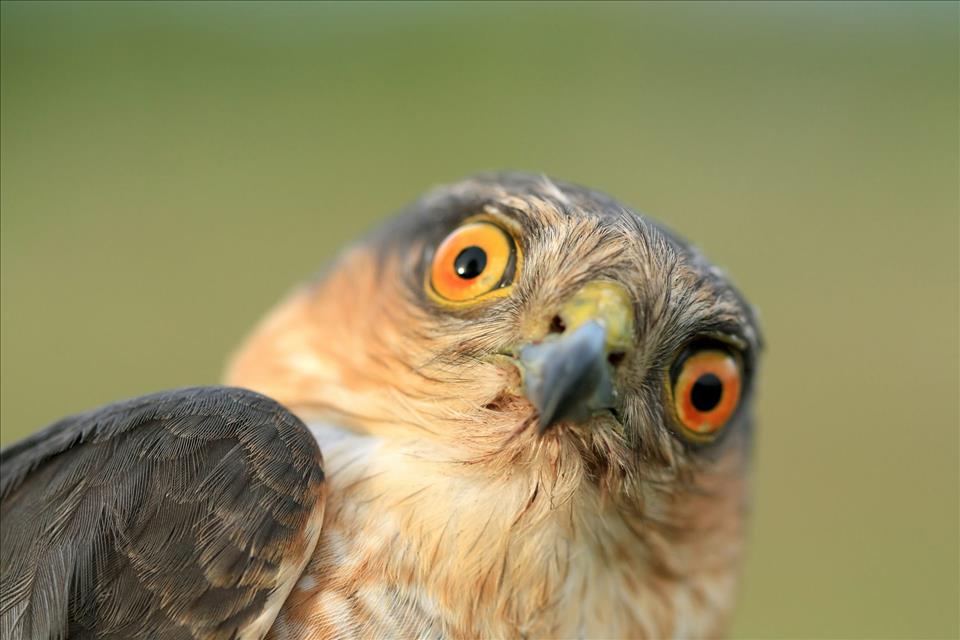
Birds Masturbate, And That's Perfectly Normal
Author: Chloe Heys
(MENAFN- The Conversation) For captive animals, engaging in natural behaviour is a pillar of the animal welfare framework. But when it comes to sex, one important behaviour hasbeen largely ignored, and sometimes even punished: masturbation.

Solo sex is surprisingly common across the animal kingdom. It is well documented in primates. Tortoises are surprisingly vocal during their solo lovemaking endeavours, if not very graceful. Camels masturbate by rubbing their penises in the sand and porcupines make inventive use of all sorts of objects.
Our new study could change how other scientists view masturbation in birds and improve their welfare.
Masturbation also seems to be common in birds. A quick internet search brings up an abundance of video clips on social media and dedicated posts on bird-keeping forums, largely from worried or bemused hobbyist bird keepers.
It has often been treated as an abnormal problem behaviour in captive birds (particularly parrots). Folklore husbandry has assumed it is the undesirable outcome of stress, bad health or poor environment. Bird keepers often therefore discourage masturbation via punishment or veterinary interventions such as diet or care changes and, sometimes, even drugs and surgery. Despite the welfare implications, masturbation in birds had been largely unexplored by the scientific community.
We set out to change that, by investigating the distribution and evolutionary history of masturbation in birds for the first time. We studied 120 species of bird across 22 major groups, gathering data from the scattered scientific literature, online reports and community forums, and surveys of bird experts.
Our study found that masturbation is widespread across birds with a strong evolutionary history, meaning that it's an ancient trait probably similar in closely related species. Although we found more records of masturbation in male birds, it occurs in both sexes and across all age groups.
Solo sex also seems to be linked to species that mate with multiple partners, supporting the idea that it might help to increase reproductive success when there is a high degree of competition over fertilisation. For instance, in males it may flush out old sperm to leave newer (better condition) sperm for mating. In females it may increase sexual arousal to help with sneak mating with males other than their partner.
Wild behaviourCrucially, we discovered that masturbation is actually less common in captivity than the wild, and more common in birds reared by their own parents than by humans this tells us is that masturbation in birds is neither an unnaturalbehaviour, nor a consequence of captivity. Given this finding, it is importantthat birds are not prevented from masturbation. Of course, as with any behaviour, there may be extreme cases where chronic masturbation could indicate underlying health or husbandry issues.
Avian self-pleasure is usually a rather inelegant affair, in which a bird rubs their cloaca (a shared orifice for both excretion and reproduction) against an object, like a branch, twig or toy. This is often accompanied by a lot of flapping and self-satisfied vocalisation.
One potential reason for the lack of scientific studies exploring avian masturbation may be because the cloaca is thought to have fewer nerve clusters, and therefore lower sensitivity, than our own genitals.
Clearly however, birds are getting some satisfaction from masturbation, so perhaps there is more to a bird's sensations during sex than has previously been recognised. Further exploration of this could have important implications for both welfare and captive breeding programmes. While sexual pleasure may not be exactly the same experience as for mammals, it is wildly premature to dismiss the idea that birds also feel pleasure.
Institution:Swansea University

Legal Disclaimer:
MENAFN provides the
information “as is” without warranty of any kind. We do not accept
any responsibility or liability for the accuracy, content, images,
videos, licenses, completeness, legality, or reliability of the information
contained in this article. If you have any complaints or copyright
issues related to this article, kindly contact the provider above.
Most popular stories
Market Research

More Story








Comments
No comment