




403
Sorry!!
Error! We're sorry, but the page you were looking for doesn't exist.
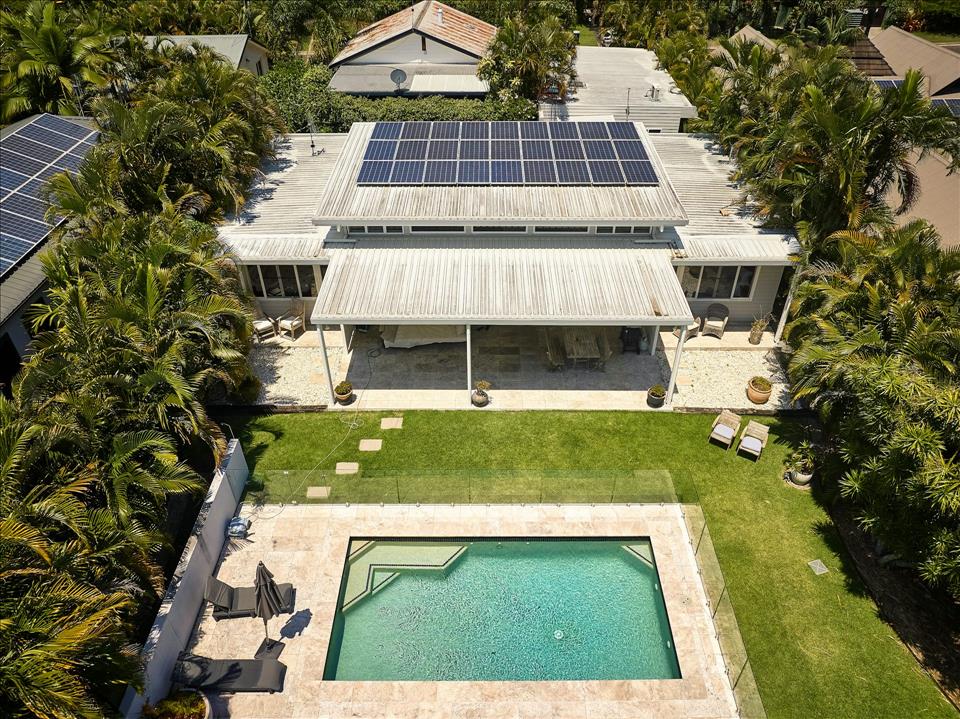
Three Hours Of Free Power A Day Sounds Good But Is Australia's Scheme Fair?
Author: Saman Gorji
(MENAFN- The Conversation) From July 1, many Australians can choose something that once sounded absurd: free electricity in the middle of the day. The federal government's opt-in Solar Sharer Offer will give three hours of free power to households with smart meters in New South Wales, South Australia and southeast Queensland. Victoria's separate scheme will launch in October.

Free power sounds like a giveaway. It isn't. It's meant to encourage people to use more electricity during the hours when solar power flows into the grid. The real aim is to get people to shift the use of water heaters, pool pumps, air-conditioning and electric vehicle charging to the middle of the day. At other times, power prices will be slightly more expensive.
The main challenge for Australia's power systems is no longer how to meet peak demand in the evening. We now have to use or manage the floods of very cheap solar during the sunniest hours when there's more supply than demand. If this imbalance isn't managed, electricity voltage and frequency can move outside safe limits, equipment can trip, and the risk of outages rises.
The scheme makes sense. But there are still questions about its fairness. Electrified households will benefit most, while renters and other groups may benefit less.
The challenge of solar abundanceAbout one in three Australian homes now has solar. At times, this power source can supply 50% of total demand on Australia's biggest power grid, the National Energy Market. Wholesale prices have regularly gone negative in recent quarters.
In big solar states such as South Australia, solar can supply more power than the state can use. Surplus power is exported, stored in batteries or curtailed – wasted.
The Solar Sharer Offer is meant to make better use of these floods of solar power.
This financial year, the three hours of free power will be 11am to 2pm daily in NSW and southeast Queensland and 12 to 3pm in South Australia. Australia's energy regulator chose these times to match when solar output is highest, and network and wholesale costs are lowest. This may change year by year.
The reason the scheme isn't national is because it's tied to the Default Market Offer - a regulated safety net plan for electricity customers – which only applies in NSW, SA and southeast Queensland.
Who will benefit most?Ensuring fair access has been a constant challenge for household clean-energy schemes. People who own their homes and have access to capital are usually better placed to benefit. This scheme has the same issue.
It's easy to picture the ideal customer for three hours of free power – a homeowner with a smart meter, flexible hot water, electric vehicle, home battery and the ability to choose when power-hungry appliances run.
That's great for them. But what about everyone else? For instance, you have to have a smart meter to be eligible. Only about 60% of households have one.
The harder question is whether this offer is fair for other households.
Renters, apartment residents and people on embedded networks in retirement villages, caravan parks or shopping centres face another barrier. If they opt in without being able to make good use of the free power, they could actually be worse off due to the higher prices at other times. These concerns were raised during the consultation process.
Making it fairerThe government is aware of these issues. The free power period is capped at 24 kilowatt hours a day, enough to cover several large daytime loads such as hot water, dishwashing, laundry, air-conditioning or part-charging of an EV.
The cap matters because offering electricity for free still incurs costs for energy retailers. To recover the missed revenue during the free window, retailers will boost other usage charges. Capping free power at 24 kWh a day limits how much high-consumption households can use at zero price, which limits how much revenue has to be recovered from usage at other times of day.
More needs to be done to ensure it's fair. A key step is unglamorous but effective: helping households heat water during the day. Heating water takes a lot of power. Electric hot-water systems are often on controlled-load tariffs designed for overnight operation. A South Australian trial moved close to 50% of water heating from night to day with little reported inconvenience.
Where safe and practical, retailers and network businesses could shift the time these systems charge to the middle of the day. Governments could help rentals and apartment residents by supporting the use of timers, smart controllers and efficient heat-pump hot-water systems. The same logic applies to other flexible loads.
The free lunch is real. The question is who gets a seat at the table.
Institution:Deakin University

Legal Disclaimer:
MENAFN provides the
information “as is” without warranty of any kind. We do not accept
any responsibility or liability for the accuracy, content, images,
videos, licenses, completeness, legality, or reliability of the information
contained in this article. If you have any complaints or copyright
issues related to this article, kindly contact the provider above.
Most popular stories
Market Research

More Story





Comments
No comment