

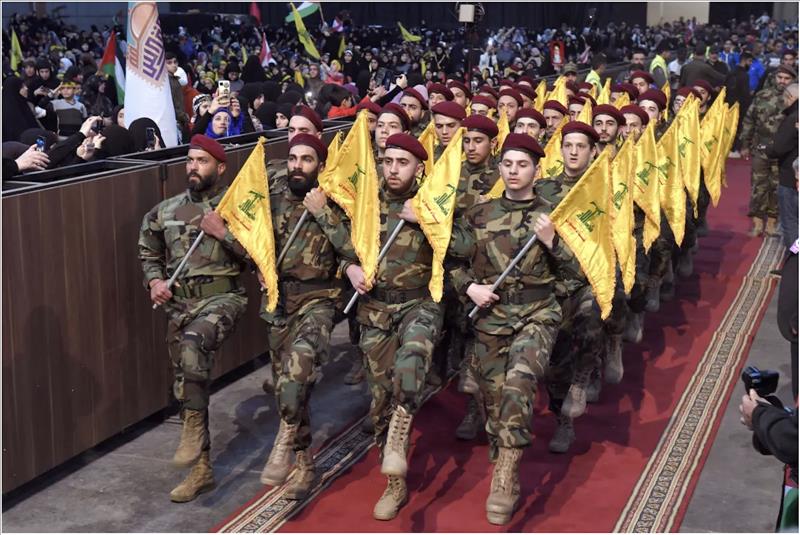
Israel's Lebanon Campaign: The Risks Of Repeating Failed Lessons


The logic went that the Lebanese Shiite group – which has posed a persistent threat to Israel for 44 years – would finally succumb if stripped of its Iranian benefactor. After all, Israeli attempts to destroy Hezbollah through direct military action had not been effective, nor had internationally supported disarmament efforts.
But as the United States and Iran have continued to negotiate over an agreement that might put an end to their war, the Israeli-Lebanese front remained as active as ever – until Monday, at least, when a Trump-Netanyahu phone call may have interrupted.
Israel has increased strikes and incursions deeper into Lebanon, while Hezbollah has been targeting the Israeli military deployed in southern Lebanon and the civilian population in northern Israel.
Worse, from the Israeli government's perspective, is that Iran found a way of turning its survival and newfound leverage over the Strait of Hormuz into protecting Hezbollah. Tehran has conditioned a potential deal with Washington on a complete halt of Israeli hostilities in Lebanon – a move clearly designed to safeguard the political and military standing of Hezbollah, its primary proxy.
Since full-scale war returned to Lebanon on March 2, 2026, it has had a massive humanitarian cost. As of June 1, over a million Lebanese have been displaced and more than 3,300 killed since the beginning of March. On the Israeli side, 24 soldiers and 4 civilians have been killed in the same time period.
Israel seeks to decouple its Lebanon front from the wider regional conflict, aiming to maintain its military campaign against the Shiite organization independently of broader US negotiations with Iran. But whether it will able to do this is uncertain. The Trump administration has largely excluded Israel from the specifics of its Iranian dialogue while attempting to restrict Israeli operations in Lebanon to strikes in the country's south and the Bekaa Valley and prohibiting attacks on state infrastructure. The ordering of attacks on Lebanon's capital, Beirut, by Israeli Prime Minister Benjamin Netanyahu on June 1 tested the limits to US pressure.
And ultimately, the resolution of this conflict rests upon how President Donald Trump chooses to navigate Iranian demands concerning the future of Lebanon.

Legal Disclaimer:
MENAFN provides the
information “as is” without warranty of any kind. We do not accept any
responsibility or liability for the accuracy, content, images, videos,
licenses, completeness, legality, or reliability of the information
contained in this article. If you have any complaints or copyright issues
related to this article, kindly contact the provider above.
Comments
No comment