




403
Sorry!!
Error! We're sorry, but the page you were looking for doesn't exist.
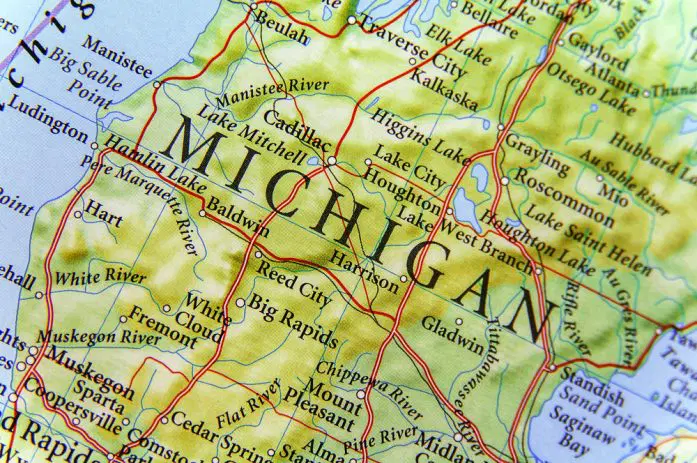
Michigan Drivers Say One Everyday Expense Is Eating More Of The Budget Than Gasoline - The Free Financial Advisor
(MENAFN- Free Financial Advisor) Michigan drivers love where they live, but they aren't super happy about the rising car insurance costs – Shutterstock
Fuel prices often grab headlines, but many Michigan drivers now point to a different cost that drains their wallets even faster. Monthly transportation budgets no longer revolve around gas alone, and the shift surprises many households. Rising expenses tied to vehicle ownership have reshaped what it means to“afford” a car in the state.
Insurance bills, in particular, have stepped into the spotlight as a major budget disruptor. This change forces drivers to rethink how they manage everyday commuting costs and long-term financial planning.
The Expense Surpassing Gas at the PumpMany Michigan drivers now report that car insurance premiums take a larger bite out of their monthly budget than gasoline. Gas prices fluctuate weekly, yet insurance bills stay steady and often arrive with a higher fixed cost. This consistency makes insurance feel heavier because it cannot be adjusted at the pump or delayed. Drivers who commute daily notice that fuel spending feels flexible compared to the rigid structure of insurance payments. Over time, this contrast shifts perception, and insurance becomes the dominant transportation expense.
Insurance companies in Michigan have adjusted rates in response to several risk factors, including weather patterns, accident frequency, and repair costs. Drivers often feel the impact during renewal periods when premiums jump without warning. Even safe driving records do not always shield households from increases tied to broader industry trends. Many residents now compare monthly statements and discover that insurance quietly outpaces their fuel receipts. That realization changes how people view the true cost of owning a vehicle in the state.
Why Insurance Premiums Are Climbing in MichiganMichigan's unique insurance system plays a major role in rising premiums, especially due to its history of offering extensive personal injury protection coverage. Insurers often factor in high medical costs from accident claims, which drives up pricing across the board. Urban areas like Detroit and surrounding metro regions experience even steeper rates due to higher traffic density and accident risk. Weather also adds pressure, since harsh winters increase crash likelihood and vehicle damage. These combined factors create a pricing environment that rarely moves downward for long.
Repair costs have also surged as modern vehicles include advanced sensors, cameras, and electronic systems. Even minor collisions now require expensive diagnostics and specialized parts, which insurance companies must cover. Rental car expenses during repairs further increase claim totals, pushing premiums higher for everyone. Drivers often feel frustrated because even careful driving does not fully protect them from rising costs. The system spreads risk across all policyholders, which means individual behavior only tells part of the story.
Hidden Costs Beyond Insurance That Catch Drivers Off GuardInsurance may lead the charge, but other vehicle-related expenses also strain Michigan drivers' budgets. Registration fees, title costs, and licensing renewals stack up quickly, especially for households with multiple vehicles. Maintenance expenses such as oil changes, brake replacements, and tire swaps add predictable yet unavoidable costs throughout the year. Winter driving conditions increase wear and tear, forcing more frequent repairs than many drivers expect. These expenses often blend into the background until they hit all at once.
Parking costs and toll-related spending also creep into daily budgets, particularly for commuters traveling into busier city centers. Even suburban drivers feel the impact when they factor in longer commutes and higher fuel consumption from stop-and-go traffic. Vehicle depreciation adds another hidden layer, quietly reducing the value of one of the largest household assets. Many drivers overlook this cost until they attempt to sell or trade in their vehicle. Together, these expenses create a financial picture far more complex than gasoline alone suggests.
Smart Ways Michigan Drivers Are Rebalancing Their BudgetsMany Michigan drivers now respond to rising costs by shopping more aggressively for insurance policies. Comparing quotes from multiple providers helps households identify potential savings, especially when bundling auto and home coverage. Increasing deductibles sometimes lowers monthly premiums, though drivers must balance that choice against potential out-of-pocket risk. Some households also reduce coverage on older vehicles to better match actual market value. These strategies help control costs without eliminating essential protection.
Drivers also adjust behavior behind the wheel to reduce long-term expenses. Safer driving habits, lower annual mileage, and telematics-based insurance programs can influence premium pricing over time. Some residents explore public transportation or carpooling for part of their weekly commute to reduce wear on their vehicles. Preventive maintenance also plays a key role, since well-maintained cars tend to avoid costly emergency repairs. These combined actions help Michigan households regain some control over rising transportation costs.
What Michigan Drivers Should Watch Next in Transportation CostsTransportation expenses in Michigan continue to evolve as insurance markets, repair technologies, and fuel prices shift. Insurance likely remains the most influential factor in monthly vehicle ownership costs for many households. Economic pressures and climate-related risks may continue to shape premium pricing in the coming years. Drivers who stay alert to policy changes and market trends position themselves to adapt more quickly. Budget planning now requires a broader view that extends far beyond the gas pump.
What strategies help Michigan drivers manage rising vehicle costs without sacrificing coverage or convenience? Share your thoughts and experiences in the comments below.

Legal Disclaimer:
MENAFN provides the
information “as is” without warranty of any kind. We do not accept
any responsibility or liability for the accuracy, content, images,
videos, licenses, completeness, legality, or reliability of the information
contained in this article. If you have any complaints or copyright
issues related to this article, kindly contact the provider above.
Most popular stories
Market Research

More Story






Comments
No comment