




403
Sorry!!
Error! We're sorry, but the page you were looking for doesn't exist.
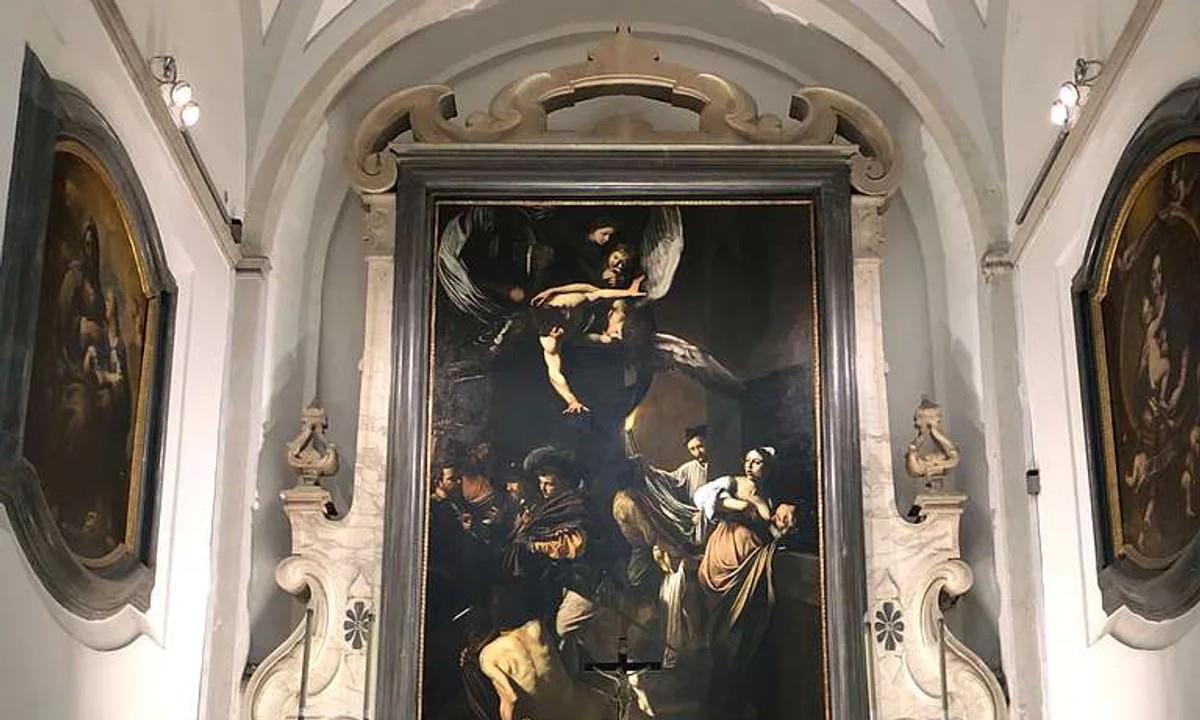
Comment We Must Avoid Amputating Art In The Name Of Preservation The Art Newspaper International Art News And Events
(MENAFN- USA Art News)
Caravaggio in Naples: why context can matter more than conservation
A painting can survive intact and still lose part of its meaning. That is the argument at the center of Bendor Grosvenor's latest reflection, which turns on two works by the Italian painter Caravaggio (1571–1610) and the places that once gave them force.
In a small chapel in Naples, Grosvenor writes, he stood before Caravaggio's“Seven Acts of Mercy,” painted in 1607 for the Pio Monte della Misericordia, the charity founded to promote the corporal works of mercy. The work still hangs where it was intended to be seen, and that matters. In Grosvenor's telling, the painting is not simply an object to admire, but a living part of a civic and religious setting that continues to shape how it is read. Its crowded, sharply lit figures feel inseparable from the city outside the chapel doors.
He then contrasts that experience with Caravaggio's“Flagellation of Christ,” also painted in 1607. The work was moved in 1972 from San Domenico Maggiore to the Museo di Capodimonte for security reasons. The decision may have been prudent, but Grosvenor argues that it changed the painting's status. In the museum, he suggests, the work is asked to perform as a masterpiece, to be looked at, photographed, and moved past. In the church, by contrast, it had a function: to confront worshippers with the suffering of Christ.
That distinction leads to the essay's larger claim. Grosvenor argues that modern preservation has often come at a cost, because artworks were made not only to be seen, but to operate within specific spaces, rituals, and social worlds. Remove a painting from an altar or a fresco from a wall, he writes, and you risk severing the work from the conditions that made it intelligible in the first place. What remains may be physically protected, but its original force can be diminished.
Pompeii sharpens the point. Grosvenor notes the many wall paintings that were taken from the site and dispersed to museums and private collections, while others remain in place, including in the Lupanar, because earlier generations did not remove them. The result is a paradox familiar to anyone who has walked through the ruins: what was left behind often feels more complete than what was saved.
His conclusion is deliberately uneasy. If Pompeii were discovered today, he suggests, no one would propose stripping the walls bare. The essay does not reject conservation, but it does ask a harder question: what, exactly, are we preserving when we preserve art - the object alone, or the world that once made it work?

Legal Disclaimer:
MENAFN provides the
information “as is” without warranty of any kind. We do not accept
any responsibility or liability for the accuracy, content, images,
videos, licenses, completeness, legality, or reliability of the information
contained in this article. If you have any complaints or copyright
issues related to this article, kindly contact the provider above.
Most popular stories
Market Research

More Story






Comments
No comment