




403
Sorry!!
Error! We're sorry, but the page you were looking for doesn't exist.
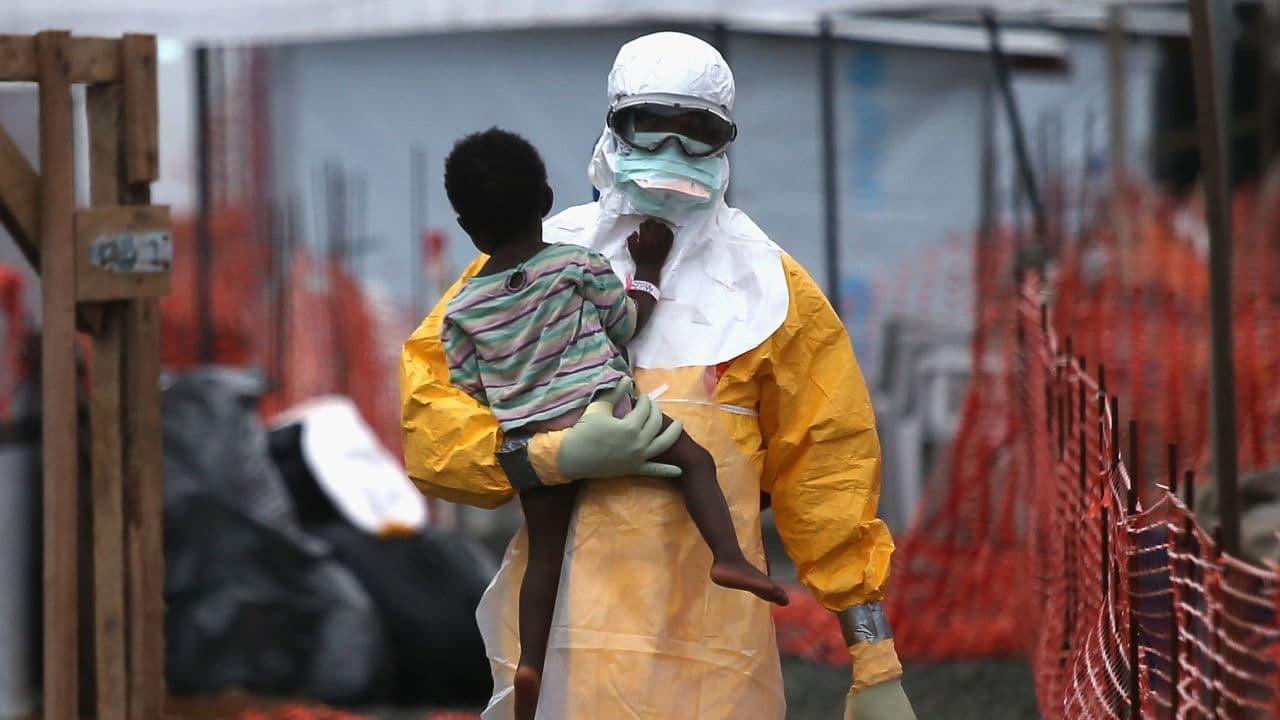
What Is Ebola And Why Has WHO Declared A Global Health Emergency?
(MENAFN- AsiaNet News) ![]()
![]()
![]()
![]()
![]()
![]()
![]()
WHO has declared Ebola outbreak in Democratic Republic of Congo a global health emergency after suspected cases rose to around 246 with 80 reported deaths. The outbreak involves Bundibugyo strain, which currently has no approved vaccine or treatment.
The World Health Organization (WHO) has declared the latest Ebola outbreak in the Democratic Republic of Congo's eastern Ituri province a public health emergency of international concern. The decision came after rising infections, deaths and fears that the virus could spread further across borders.
According to WHO, around 246 suspected cases and 80 deaths have been reported so far. The outbreak has already spread beyond Congo, with two confirmed cases reported in neighbouring Uganda.
However, WHO has clarified that the situation does not currently meet the conditions of a“pandemic emergency.” Still, global health officials are worried because many questions remain unanswered about the actual number of infections and how widely the virus may already have spread.
WHO Director-General Tedros Adhanom Ghebreyesus said there are“significant uncertainties” regarding both the real number of infected people and the geographic spread of the outbreak.
The current outbreak is linked to the Bundibugyo virus strain of Ebola, for which there are no approved vaccines or specific treatments yet.
The announcement has again brought global attention to Ebola, one of the world's deadliest viral diseases.
Ebola is a rare but severe viral disease that affects humans and can often be fatal.
The illness is caused by viruses belonging to the Orthoebolavirus group of the filoviridae family. Scientists have identified six different species of these viruses, but three are mainly responsible for major outbreaks in humans. These are:
- Ebola virus (EBOV) Sudan virus (SUDV) Bundibugyo virus (BDBV)
The current outbreak in Congo is caused by the Bundibugyo virus.
Ebola first appeared in 1976 during two outbreaks that happened at the same time in Africa. One outbreak occurred in what is now South Sudan, while the other took place in Yambuku in present-day Democratic Republic of Congo.
The disease was named after the nearby Ebola River.
WHO declared the outbreak a global health emergency because of the growing risk of international spread and the uncertainty surrounding the outbreak. Health officials are especially concerned because:
- There are already hundreds of suspected cases. The death toll has risen quickly. Cases have spread into Uganda. The outbreak involves a strain without approved vaccines or medicines. Border regions have heavy travel and trade movement.
Countries neighbouring Congo are considered high-risk zones because many people travel across borders daily for work, trade and family reasons.
WHO said the outbreak currently includes eight laboratory-confirmed cases, while many more remain suspected.
The confirmed cases are spread across three health zones, including Bunia, the capital of Ituri province, and the gold-mining towns of Mongwalu and Rwampara.
Mining areas are especially concerning because workers often travel frequently, making disease control harder.
The Bundibugyo strain is causing extra concern because no approved vaccines or drugs currently exist for it.
For the Ebola virus strain responsible for earlier outbreaks, there are approved vaccines and treatments. However, for Bundibugyo virus disease and Sudan virus disease, scientists are still developing vaccines and medicines.
WHO said candidate vaccines and treatments are under development, but none are officially approved yet.
This means doctors mainly rely on supportive medical care to help patients survive.
How does Ebola spread?
Scientists believe fruit bats are the natural hosts of Ebola viruses.
The virus can spread to humans through contact with infected wild animals, including bats, chimpanzees, gorillas, monkeys, forest antelope and porcupines.
Once humans are infected, the disease spreads from person to person through direct contact with bodily fluids such as:
- Blood Vomit Sweat Saliva Urine Faeces Semen
People can also get infected by touching contaminated surfaces, clothing or bedding used by infected patients.
Importantly, Ebola does not spread before symptoms begin. However, infected people remain contagious as long as the virus stays in their blood and body fluids.
Burial ceremonies involving direct contact with the bodies of victims have also caused many outbreaks in the past.
Healthcare workers face especially high risks when infection control measures are not strictly followed.
Symptoms can appear anywhere between 2 and 21 days after infection. The disease often begins suddenly. Early symptoms include:
- Fever Fatigue Weakness Muscle pain Headache Sore throat
As the illness worsens, patients may develop:
- Vomiting Diarrhoea Stomach pain Rash Liver problems Kidney problems
Many people think Ebola always causes bleeding, but WHO says this is less common than widely believed.
In severe cases, patients may experience internal or external bleeding, including blood in vomit or stool, bleeding gums or bleeding from the nose.
Some patients also suffer confusion, aggression and nervous system problems.
Ebola symptoms are very similar to several other diseases common in Africa, including:
- Malaria Typhoid fever Meningitis Shigellosis Other viral fevers
Because of this, laboratory testing is necessary to confirm infection. Doctors use tests such as:
- RT-PCR tests ELISA tests Antigen detection tests Virus isolation methods
Handling samples from Ebola patients is extremely dangerous. Laboratories must use the highest safety standards because the virus is highly infectious.
What treatment is available?
There is currently no approved treatment specifically for Bundibugyo virus disease. However, WHO says early supportive care can greatly improve survival chances. Supportive treatment includes:
- Rehydration Pain management Nutrition support Treating other infections like malaria Oxygen support Monitoring organ function
WHO has approved certain monoclonal antibody treatments for Ebola virus disease caused by the EBOV strain, including:
Ansuvimab
Inmazeb
But these are not approved for Bundibugyo virus disease.
Researchers are continuing work on new medicines and clinical trials.
Are vaccines available?
Vaccines exist for the Ebola virus strain responsible for some earlier outbreaks.
Approved vaccines include:
- Ervebo Zabdeno Mvabea
The Ervebo vaccine is widely used during Ebola outbreaks and can be supplied internationally through emergency vaccine programmes.
However, no approved vaccine currently exists for the Bundibugyo strain involved in the present outbreak.
Scientists are still developing candidate vaccines.
WHO says community cooperation is the key to stopping outbreaks. Health authorities use several measures together, including:
- Early patient isolation Contact tracing Laboratory testing Infection control Safe burials Public awareness campaigns Vaccination where available
People are advised to avoid direct contact with infected individuals and wild animals that may carry the virus.
Communities are also encouraged to follow hygiene measures and quickly report suspected symptoms.
Why healthcare workers are at high risk
Doctors, nurses and health workers often face major risks during Ebola outbreaks because they come into close contact with infected patients.
Without proper protective equipment, healthcare workers can easily become infected through blood or bodily fluids.
WHO says strict infection control rules are essential, including:
- Hand hygiene Use of masks and gloves Protective clothing Safe handling of needles Safe disposal of contaminated materials
Laboratory workers also require special training and high-security facilities while handling Ebola samples.
What happens to Ebola survivors?
Many Ebola survivors continue facing health problems even after recovery. Some patients develop long-term complications affecting:
- Eyes Brain Mental health Nervous system
WHO says survivors should receive counselling, medical care and support to help them return to normal life.
The virus can also remain in certain parts of the body for months after recovery.
Ebola transmission through semen has been documented up to 15 months after recovery in some cases.
Because of this, WHO advises safer sexual practices and regular testing for male survivors.
Pregnant and breastfeeding women who recover from Ebola also need special medical monitoring.
Why this outbreak matters globally
Although the current outbreak is mainly centred in Congo and Uganda, health experts are watching closely because infectious diseases can spread rapidly in today's interconnected world.
The 2014–2016 Ebola outbreak in West Africa killed more than 11,000 people and showed how dangerous uncontrolled outbreaks can become.
Modern travel, crowded cities, weak healthcare systems and cross-border movement increase the risk of wider spread.
WHO's emergency declaration is meant to help countries prepare early rather than react late.
The declaration allows governments and international agencies to mobilise funding, medical teams and public health support faster.
What people should remember
WHO has stressed that Ebola is serious but controllable if countries act quickly.
The organisation has also reminded people that Ebola does not spread through the air like COVID-19. It mainly spreads through direct contact with infected bodily fluids.
Early medical care, rapid isolation, contact tracing and public awareness remain the most important tools in stopping outbreaks.
At present, health agencies are closely monitoring the situation in Congo and neighbouring countries while researchers continue working on vaccines and treatments for the Bundibugyo strain.
The coming weeks will be important in determining whether health officials can contain the outbreak before it spreads further.

Legal Disclaimer:
MENAFN provides the
information “as is” without warranty of any kind. We do not accept
any responsibility or liability for the accuracy, content, images,
videos, licenses, completeness, legality, or reliability of the information
contained in this article. If you have any complaints or copyright
issues related to this article, kindly contact the provider above.
Most popular stories
Market Research

More Story






Comments
No comment