




403
Sorry!!
Error! We're sorry, but the page you were looking for doesn't exist.
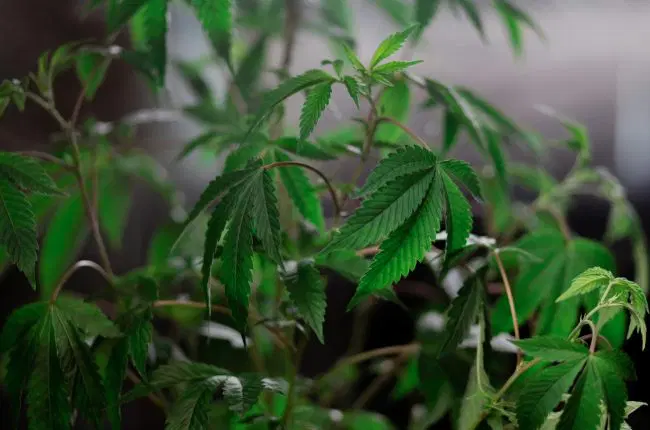
Microdosing: 1 In 10 Americans Are Trying Cannabis In Tiny Doses But Does It Really Work Or Is It Risky?
(MENAFN- Budget and the Bees) Cannabis microdosing is quickly becoming one of the biggest wellness trends in the United States, especially among adults looking for stress relief, better sleep, or reduced anxiety without feeling intensely high. Recent national survey data suggests that nearly 1 in 10 Americans have tried cannabis in tiny doses at least once, making it more common than psychedelic microdosing. Supporters claim it improves focus, mood, and chronic pain while allowing people to remain productive during the day. However, doctors and researchers are warning that the science behind cannabis microdosing is still developing, and the risks may not be as harmless as social media makes them seem. As the popularity of cannabis microdosing grows, many Americans are now asking whether this trend truly delivers health benefits or simply creates new safety concerns.Why Cannabis Microdosing Is Suddenly Everywhere
Cannabis microdosing refers to taking very small amounts of THC, usually one-fifth to one-twentieth of a standard dose, to achieve subtle effects without major intoxication. According to a 2026 national survey from researchers at the University of California San Diego, about 9.4% of U.S. adults reported microdosing cannabis at least once in their lifetime. That translates to roughly 24 million Americans experimenting with low-dose cannabis products. Unlike traditional cannabis use, microdosing is often marketed as a way to remain functional while still experiencing relaxation or pain relief. Many people are now turning to low-dose edibles, beverages, and vape products designed specifically for cannabis microdosing.
What Research Says About the BenefitsResearchers are beginning to study whether cannabis microdosing can genuinely improve mental health and physical symptoms. Some early studies suggest low THC doses may help reduce chronic pain, mild anxiety, and sleep difficulties in certain individuals. Patients dealing with arthritis, migraines, or stress-related insomnia often report fewer side effects when using smaller amounts of cannabis compared to higher doses. In practical terms, microdosing may allow someone to calm racing thoughts or reduce pain without feeling sedated or disconnected. This potential balance is one reason cannabis microdosing has attracted widespread interest.
However, scientists say the evidence is still limited and inconsistent. Most current studies rely heavily on self-reported experiences instead of large-scale clinical trials. Researchers also note that THC affects people differently depending on age, body chemistry, tolerance, and mental health history. What feels calming to one person may trigger anxiety or dizziness in another. Medical experts emphasize that cannabis microdosing should not be viewed as a proven treatment for anxiety, depression, or chronic illness without proper medical guidance.
The Hidden Risks Many Users IgnoreDespite its wellness image, cannabis microdosing still carries potential health and safety risks. Even small amounts of THC can impair reaction time, judgment, and concentration in some people, especially new users. Individuals who believe they are unaffected may still experience reduced driving performance or delayed decision-making. Doctors are particularly concerned about people mixing low-dose cannabis with alcohol, sleep medications, or antidepressants without understanding possible interactions. Older adults may also face increased risks because cannabis can affect blood pressure, balance, and coordination.
Mental health experts are also watching the trend carefully. The UC San Diego survey found cannabis microdosing was significantly more common among people reporting poor mental health. While some users hope microdosing will ease anxiety or depression, relying on cannabis instead of evidence-based treatment could delay professional care. There is also concern that some products contain inconsistent THC levels, making it difficult to know how much is actually being consumed. Because the cannabis industry remains loosely regulated in many states, product quality and labeling accuracy can vary widely.
Why Doctors Urge Consumers to Be CarefulHealthcare professionals are not necessarily against cannabis microdosing, but many believe consumers need realistic expectations. Some doctors compare low-dose cannabis to caffeine or alcohol in the sense that moderation matters and individual tolerance varies greatly. Experts recommend starting with the smallest possible dose and waiting several hours before taking more, particularly with edibles that can take longer to affect the body. Consumers are also encouraged to purchase products from licensed dispensaries that provide lab-tested ingredient information. These precautions may reduce the risk of accidental overconsumption or contamination.
Medical professionals also stress the importance of discussing cannabis use openly with healthcare providers. Surprisingly, many adults experimenting with cannabis never mention it during routine medical appointments. That lack of communication can become dangerous when cannabis interacts with prescription medications or underlying health conditions. For example, someone using blood pressure medication or antidepressants could unknowingly experience intensified side effects. Doctors say honest conversations are critical as cannabis microdosing becomes more mainstream.
Behind America's Cannabis ExperimentCannabis microdosing reflects a larger cultural shift in how Americans approach stress, wellness, and mental health. Many people are searching for alternatives to alcohol, prescription medications, or high-potency cannabis products that leave them feeling overwhelmed. While cannabis microdosing may offer benefits for some adults, experts agree it is not a risk-free wellness shortcut. The long-term effects of regular low-dose THC use remain largely unknown, especially for younger adults and people with mental health vulnerabilities. As research continues, consumers should approach cannabis microdosing with caution, realistic expectations, and better education.
The growing popularity of cannabis microdosing raises an important question for Americans: are we witnessing a smarter approach to cannabis use, or simply a new health trend moving faster than science? What do you think about cannabis microdosing, and would you ever try it yourself? Share your thoughts and experiences in the comments below.

Legal Disclaimer:
MENAFN provides the
information “as is” without warranty of any kind. We do not accept
any responsibility or liability for the accuracy, content, images,
videos, licenses, completeness, legality, or reliability of the information
contained in this article. If you have any complaints or copyright
issues related to this article, kindly contact the provider above.
Most popular stories
Market Research

More Story








Comments
No comment