




403
Sorry!!
Error! We're sorry, but the page you were looking for doesn't exist.
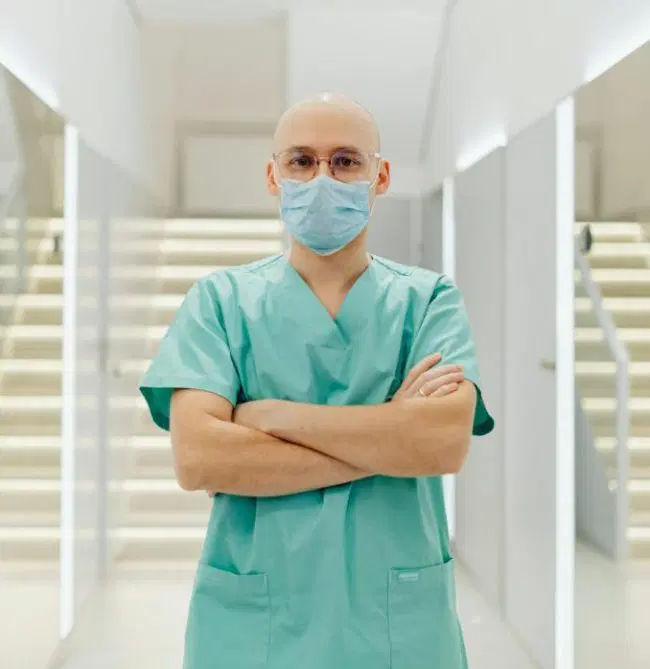
6 Cutting-Edge Cancer Treatments Younger Patients Are Asking Their Oncologists About
(MENAFN- Budget and the Bees) Cancer care is changing fast, and younger patients are paying close attention to the newest options available. Many people in their 20s, 30s, and 40s are now researching advanced therapies before they even step into an oncology office. Instead of accepting traditional chemotherapy as the only path forward, they are asking about personalized medicine, immune-based therapies, and treatments designed to preserve quality of life. This growing interest reflects a major shift in how younger adults approach healthcare decisions, especially when facing life-changing diagnoses. As modern oncology evolves, these innovative cancer treatments are giving patients more hope, more choices, and in some cases, better long-term outcomes.1. CAR-T Cell Therapy Is Expanding Beyond Blood Cancers
One of the most talked-about innovative cancer treatments is CAR-T cell therapy, which uses a patient's own immune cells to attack cancer. Doctors remove T-cells from the body, genetically modify them in a lab, and reinfuse them so they can recognize and destroy cancer cells more effectively. Initially approved for certain leukemias and lymphomas, researchers are now testing CAR-T therapies for solid tumors like ovarian, brain, and gastric cancers. Younger patients often ask about this treatment because it can sometimes produce long-lasting remission after other therapies fail. While CAR-T can cause serious side effects and remains expensive, recent clinical trials are showing encouraging progress in making the therapy safer and more accessible.
2. Personalized Cancer Vaccines Are Generating ExcitementCancer vaccines are no longer limited to prevention strategies like the HPV vaccine. Researchers are now developing personalized vaccines tailored to an individual's tumor genetics, helping the immune system recognize cancer cells more precisely. These innovative cancer treatments are especially appealing to younger patients who want targeted therapies with fewer long-term complications. In some early-stage trials, personalized mRNA vaccines combined with immunotherapy have shown promising results against melanoma and pancreatic cancer. Oncologists caution that these vaccines are still emerging and may not work for every cancer type, but the pace of development has accelerated dramatically over the past few years.
3. Proton Therapy Is Being Chosen for Fewer Side EffectsYounger adults diagnosed with cancer are often worried about how treatment could affect fertility, heart health, or future quality of life. That concern is driving interest in proton therapy, a highly targeted form of radiation that delivers less damage to surrounding healthy tissue. Unlike traditional radiation, proton beams can stop directly inside the tumor rather than passing through the body. This precision may reduce long-term complications, particularly for cancers near critical organs like the brain, spine, or chest. Many oncologists now discuss proton therapy with younger patients who want aggressive treatment while minimizing lasting physical effects.
4. Liquid Biopsies Are Changing Early Detection and MonitoringYounger patients are increasingly asking about liquid biopsies because they offer a less invasive way to track cancer. Instead of surgically removing tissue, doctors analyze fragments of tumor DNA circulating in the bloodstream. These blood tests can sometimes detect treatment resistance earlier than traditional scans, allowing oncologists to adjust therapies more quickly. Some physicians are also using liquid biopsies to monitor whether cancer returns after remission, especially in colorectal, breast, and lung cancers. Experts believe these innovative cancer treatments and diagnostic tools could eventually transform how cancer is detected and managed over time.
5. Targeted Gene Editing Is Entering Clinical TrialsGene-editing technologies like CRISPR are now moving from the research lab into early human cancer trials. Scientists are experimenting with editing immune cells or cancer-related genes to help the body fight tumors more effectively. Younger patients often ask about gene editing because it represents one of the most futuristic approaches in oncology today. Some studies are exploring whether edited immune cells can better survive inside the body and attack resistant cancers more aggressively. Researchers are also investigating whether gene editing can reduce toxic side effects commonly associated with standard treatments.
6. Immunotherapy Combinations Are Delivering Better ResultsImmunotherapy has already changed cancer care, but doctors are now combining multiple immune-based drugs to improve outcomes even further. Some regimens pair checkpoint inhibitors with targeted therapies, chemotherapy, or antibody-drug conjugates to create a stronger anti-cancer response. Younger patients frequently ask about combination immunotherapy because it may offer better survival rates for advanced cancers like melanoma, lung cancer, and lymphoma. Clinical trials are also testing whether combining immunotherapy with newer CAR-T approaches can make treatments more durable. While side effects can increase when therapies are combined, oncologists say careful patient selection is helping reduce risks.
Why Younger Patients Are Pushing Cancer Care ForwardYounger generations are entering oncology appointments more informed and proactive than ever before. Many arrive with questions about clinical trials, genetic testing, fertility preservation, and cutting-edge therapies they discovered through medical journals or patient advocacy groups. That curiosity is helping push conversations about innovative cancer treatments into mainstream care much faster than in previous decades. At the same time, oncologists emphasize that newer does not always mean better for every patient, and treatment decisions should always be personalized. Still, the rapid pace of scientific breakthroughs is creating real optimism for people facing diagnoses that once carried very limited options.
The Future of Cancer Treatment Is Becoming More PersonalThe future of oncology is moving toward treatments tailored to each patient's genetics, immune system, and lifestyle needs. Innovative cancer treatments are opening doors that once seemed impossible, especially for younger adults seeking options beyond traditional chemotherapy. While many of these therapies are still developing, the progress being made is transforming conversations between patients and doctors around the world. Staying informed and asking thoughtful questions can help patients feel more empowered during an incredibly difficult time.
What do you think about these emerging cancer treatments, and would you consider trying one if recommended by your doctor?

Legal Disclaimer:
MENAFN provides the
information “as is” without warranty of any kind. We do not accept
any responsibility or liability for the accuracy, content, images,
videos, licenses, completeness, legality, or reliability of the information
contained in this article. If you have any complaints or copyright
issues related to this article, kindly contact the provider above.
Most popular stories
Market Research

More Story








Comments
No comment