

War And Drought Push Lebanon Agriculture To Breaking Point


Where does Switzerland stand in the world? And where is it heading? I focus on current and possible future developments. After completing my studies (history, law and European studies), I worked for a time at the Swiss embassy in Athens. I have journalistic experience at home and abroad, at the local and national levels, as a freelancer and as a staff journalist. Today, it's with an international focus.
-
More from this aut
German Departm
-
Deutsch
de
Libanon: Wenn der Boden brennt
Original
Read more: Libanon: Wenn der Boden b
العربية
ar
حين تحترق الأرض في لبنان: الزراعة بين شحّ المياه وتداعيات الحرب
Read more: حين تحترق الأرض في لبنان: الزراعة بين شحّ المياه وتداعيات
Lebanon's humanitarian crisis is worsening. Nearly one in five people now face acute food insecurity, with more than 1.2 million people affected, according to the United Nations' IPC hunger scaleExternal link. The war between Hezbollah and Israel has uprooted an estimated one million people inside the country, while hundreds of thousands have fled to Syria.
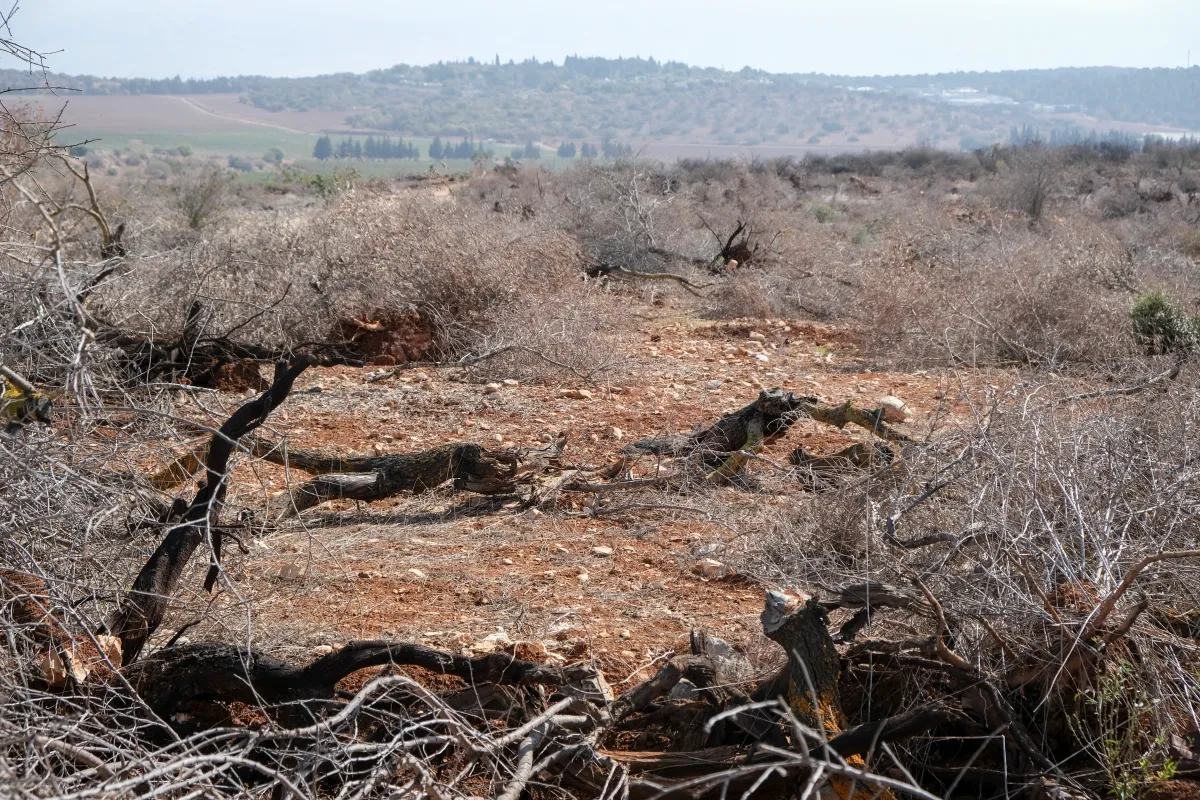
This displacement is hitting a country already in crisis. Lebanon's agricultural sector is badly weakened by a decade of crisis. It has long relied on food imports. Since 2019, the country has been hit by political and financial turmoil, the Covid-19 pandemic, the Beirut port explosion, two wars with Israel, and disrupted supply chains. Meanwhile, the impact of the recent blockade in the Strait of Hormuz remains unclear and rainfall across the region has been below average.
In Akkar, in northern Lebanon, one of the country's key farming regions, 65-year-old Ahmad Hussain Katlib tends fields and greenhouses in the village of Arqa. The small river that cuts through the village is increasingly one of his biggest worries.
External Content“The water situation is very bad,” he declared during a visit in late 2025. Rainfall had been below average the previous year, and the years before had not been good either.“Fortunately, I have a well. Not everyone does. But groundwater will not last forever,” he added.
In villages such as Arqa, water distribution is traditionally overseen by a municipal appointee known as a“shawish”. When water is scarce, rumours of corruption or mismanagement often spread.“But this year there was not even enough rain for him to swindle us,” Katlib says with a weary laugh.
War deepens the strain on agricultureThe mistrust points to another problem in Lebanon: the instability of the country, which is deeply divided politically. Some fear the latest war could undermine social cohesion, while others hope it might have exactly the opposite effect.
“Lebanon has a valuable opportunity to transform its water sector,” says Nora Ourabah Haddad, the UN Food and Agriculture Organization's (FAO) representative in Lebanon.“This means strengthening institutions, enforcing regulations, investing in infrastructure and innovation, and connecting water, energy and food systems more closely.” Despite the challenges, she believes sustainable development is still possible.
Ahmad Hussain Katlib has so far been spared the direct impact of the war, which has mainly been fought in southern and eastern Lebanon. He could one day benefit from a water and sanitation project that is now in development.
Put into place by the FAO with Swiss co-financing, the project is designed to provide communities along the river with a safe and reliable supply of water. For Haddad, the timing is critical.“We must improve people's lives today while protecting resources for future generations,” she said.

Legal Disclaimer:
MENAFN provides the
information “as is” without warranty of any kind. We do not accept any
responsibility or liability for the accuracy, content, images, videos,
licenses, completeness, legality, or reliability of the information
contained in this article. If you have any complaints or copyright issues
related to this article, kindly contact the provider above.
Comments
No comment