




403
Sorry!!
Error! We're sorry, but the page you were looking for doesn't exist.
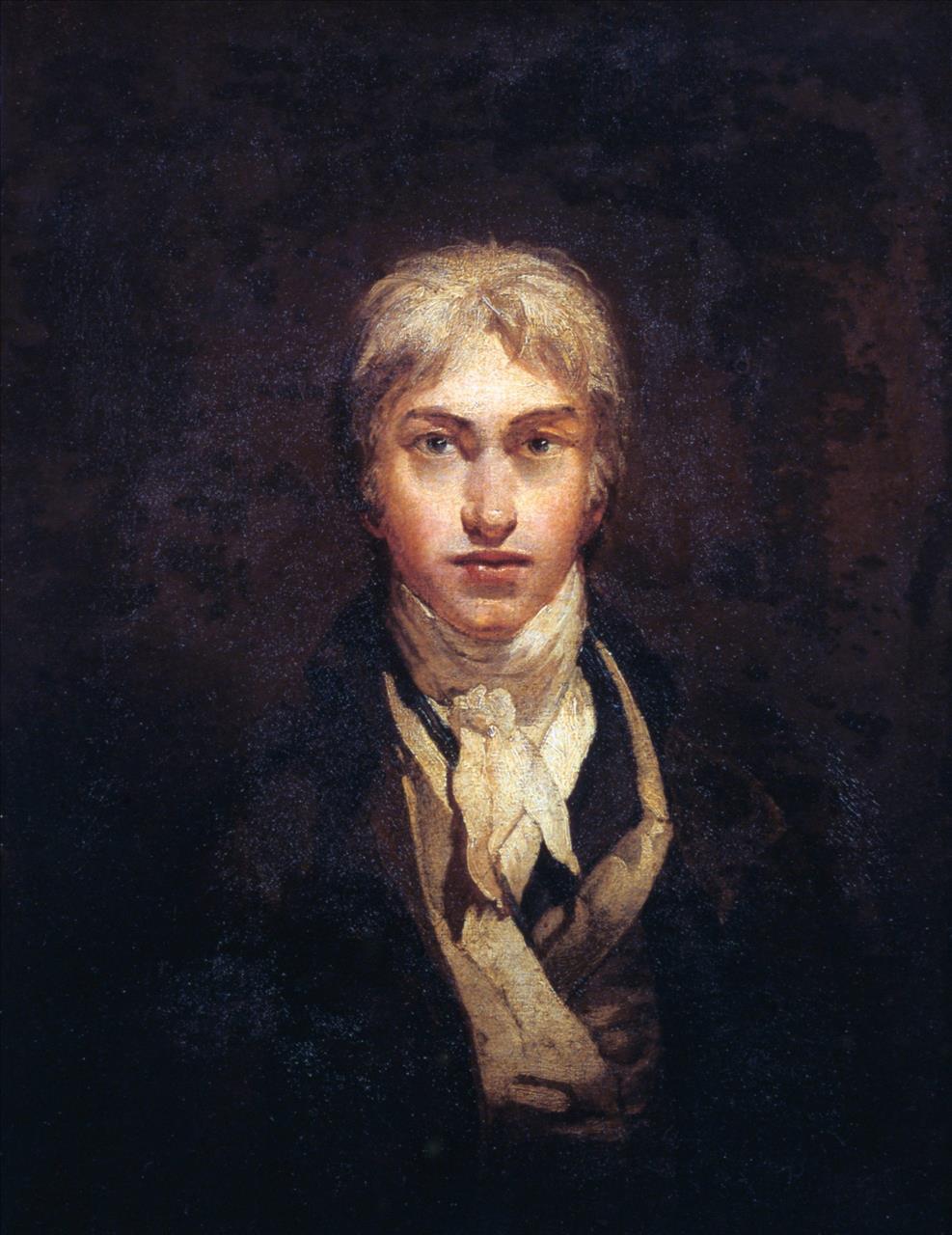
Is This A JMW Turner Self-Portrait? One Scholar Has Doubts
(MENAFN- USA Art News)
Could one of the most familiar images of JMW Turner actually belong to another painter? Art historian James Hamilton is preparing to make that case, arguing that the Tate's celebrated portrait of Turner - long treated as the artist's mature self-portrait - was likely painted by John Opie.
Hamilton plans to present his argument in the new edition of the JMW Turner Society's semiannual magazine. His reasoning begins with style. The portrait's severe lighting and composed, frontal presentation, he says, look far closer to Opie's manner than to Turner's own work, which is better known for turbulent weather, luminous skies, and expansive views. Opie, a British painter active in the late 18th and early 19th centuries, also portrayed other artists in a similarly stark style, including Scottish genre painter David Wilkie and English etcher Thomas Girtin.
The painting's history may explain why the attribution became so entrenched. Turner's second will, written in 1848, directed that all finished works still in his possession be given to Britain, specifically to the National Gallery in London, where he wanted them displayed together. Once the Turner Bequest became public, relatives challenged it. According to the National Gallery, Jabez Tepper, a son of one of those cousins, argued that Turner's plan to leave most of his estate to found a charitable institution for impoverished artists was illegal. A court ultimately awarded all of Turner's artworks to the nation and gave the rest of his estate to his relatives.
From there, the portrait's institutional life helped fix its identity. It entered the Tate in 1910, and when the Tate separated from the National Gallery in 1955, the work remained in the collection. Hamilton argues that, over time, the portrait was quietly accepted as Turner's own likeness because no one had a better attribution to offer - and because it was too important to lose.
“They had no way of knowing who the portrait might be by if it wasn't by Turner and of course it was too good to lose,” Hamilton told the Guardian.“So it was lumped in with the rest. But it was never, even on early lists, a 'self-portrait.' It was always a 'portrait of Turner.'”
The Tate says it is open to the new proposal.“As the home of the Turner Bequest, we always welcome new ideas about Turner's life and new interpretations of his work,” a representative said.“We look forward to exploring James Hamilton's research further.”
If Hamilton is right, the portrait's significance does not diminish. It simply shifts, revealing how museum history, legal disputes, and attribution can shape what generations come to accept as fact.

Legal Disclaimer:
MENAFN provides the
information “as is” without warranty of any kind. We do not accept
any responsibility or liability for the accuracy, content, images,
videos, licenses, completeness, legality, or reliability of the information
contained in this article. If you have any complaints or copyright
issues related to this article, kindly contact the provider above.
Most popular stories
Market Research

More Story






Comments
No comment