


43,000 Gaza Wounded Face Life-Altering Injuries


(MENAFN) Nearly a quarter of the 172,000 people wounded in Gaza since October 2023 — approximately 43,000 individuals, among them around 10,000 children — have suffered life-altering injuries, the World Health Organization (WHO) revealed Tuesday, laying bare the catastrophic and enduring human toll of the conflict.
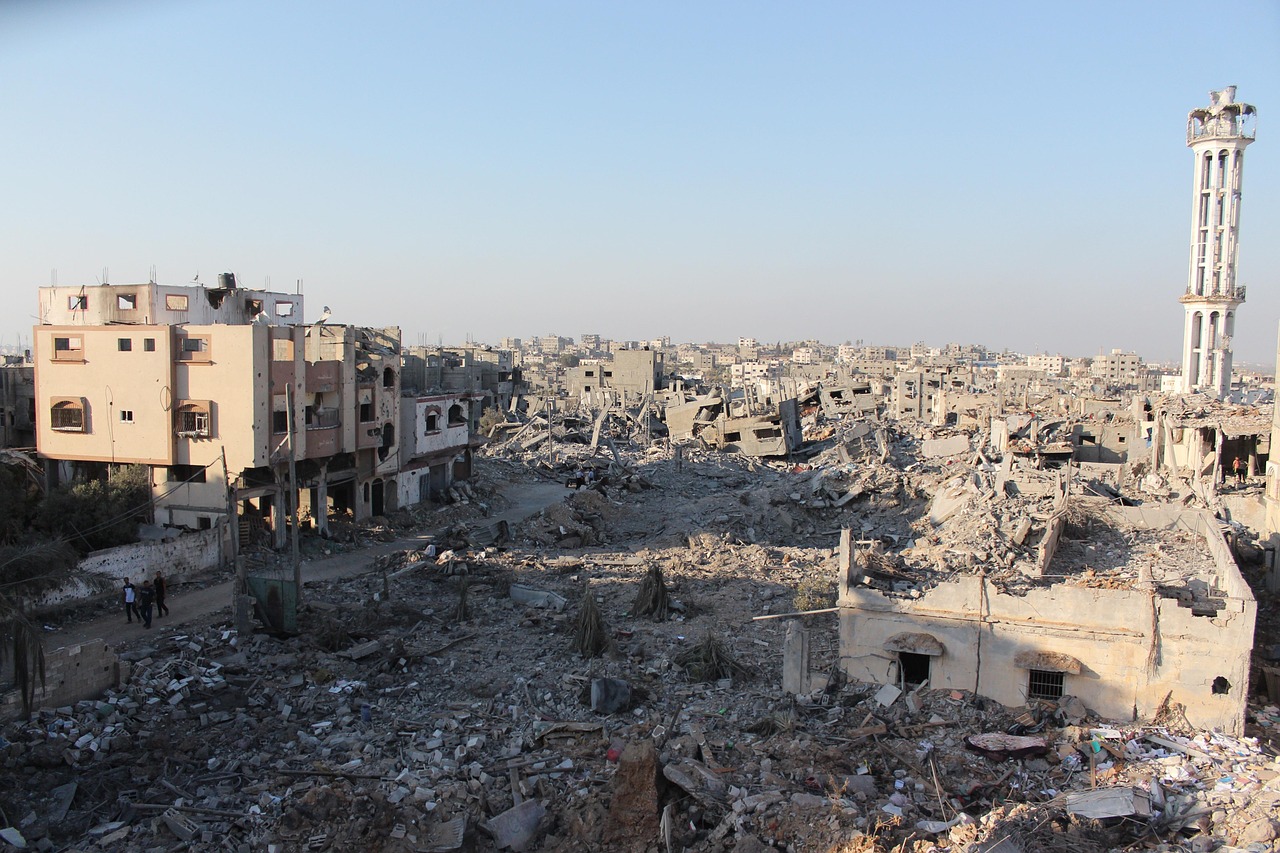
Addressing reporters in Geneva, Reinhilde Van de Weerdt, the WHO's representative for the occupied Palestinian territory, said the revised figures underscore the profound and lasting damage the war has inflicted on Gaza's civilian population and its already-battered healthcare infrastructure.
The numbers have surged sharply since the WHO's previous assessment in September 2025, with nearly 5,000 additional life-changing injuries logged in the intervening months — nearly half of them recorded after the announcement of a ceasefire in October 2025, Van de Weerdt noted.
WHO data paints a harrowing picture of the injury landscape: major limb injuries represent the largest category, exceeding 22,000 cases, followed by more than 5,000 traumatic amputations, over 3,400 major burns, more than 2,000 spinal cord injuries, and upward of 1,300 traumatic brain injuries. In total, more than 50,000 injuries now demand long-term rehabilitation care.
Between July 2025 and May 2026, nearly 14,000 patients registered for limb reconstruction services — with close to half of those assessed found to require further surgical intervention. Yet access to care has remained catastrophically constrained: of 2,300 amputees evaluated between September 2024 and May 2026, only 500 have received permanent prosthetics due to acute supply shortages across Gaza.
The rehabilitation crisis shows no sign of easing. Not a single rehabilitation facility in Gaza is currently fully operational, according to the WHO, while more than 400 patients are queued for specialized rehabilitation beds. The strain has forced hospitals to discharge patients prematurely, dramatically increasing the risk of permanent disability.
Compounding the crisis, no rehabilitation equipment has entered Gaza in two years, with 18 shipments containing wheelchairs, prosthetic limbs, and therapy devices still awaiting clearance.
"The people of Gaza have endured unimaginable suffering," Van de Weerdt said. "They deserve not just emergency care, but the sustained support needed to recover and reclaim their lives."
Addressing reporters in Geneva, Reinhilde Van de Weerdt, the WHO's representative for the occupied Palestinian territory, said the revised figures underscore the profound and lasting damage the war has inflicted on Gaza's civilian population and its already-battered healthcare infrastructure.
The numbers have surged sharply since the WHO's previous assessment in September 2025, with nearly 5,000 additional life-changing injuries logged in the intervening months — nearly half of them recorded after the announcement of a ceasefire in October 2025, Van de Weerdt noted.
WHO data paints a harrowing picture of the injury landscape: major limb injuries represent the largest category, exceeding 22,000 cases, followed by more than 5,000 traumatic amputations, over 3,400 major burns, more than 2,000 spinal cord injuries, and upward of 1,300 traumatic brain injuries. In total, more than 50,000 injuries now demand long-term rehabilitation care.
Between July 2025 and May 2026, nearly 14,000 patients registered for limb reconstruction services — with close to half of those assessed found to require further surgical intervention. Yet access to care has remained catastrophically constrained: of 2,300 amputees evaluated between September 2024 and May 2026, only 500 have received permanent prosthetics due to acute supply shortages across Gaza.
The rehabilitation crisis shows no sign of easing. Not a single rehabilitation facility in Gaza is currently fully operational, according to the WHO, while more than 400 patients are queued for specialized rehabilitation beds. The strain has forced hospitals to discharge patients prematurely, dramatically increasing the risk of permanent disability.
Compounding the crisis, no rehabilitation equipment has entered Gaza in two years, with 18 shipments containing wheelchairs, prosthetic limbs, and therapy devices still awaiting clearance.
"The people of Gaza have endured unimaginable suffering," Van de Weerdt said. "They deserve not just emergency care, but the sustained support needed to recover and reclaim their lives."

Legal Disclaimer:
MENAFN provides the
information “as is” without warranty of any kind. We do not accept
any responsibility or liability for the accuracy, content, images,
videos, licenses, completeness, legality, or reliability of the information
contained in this article. If you have any complaints or copyright
issues related to this article, kindly contact the provider above.


Comments
No comment