


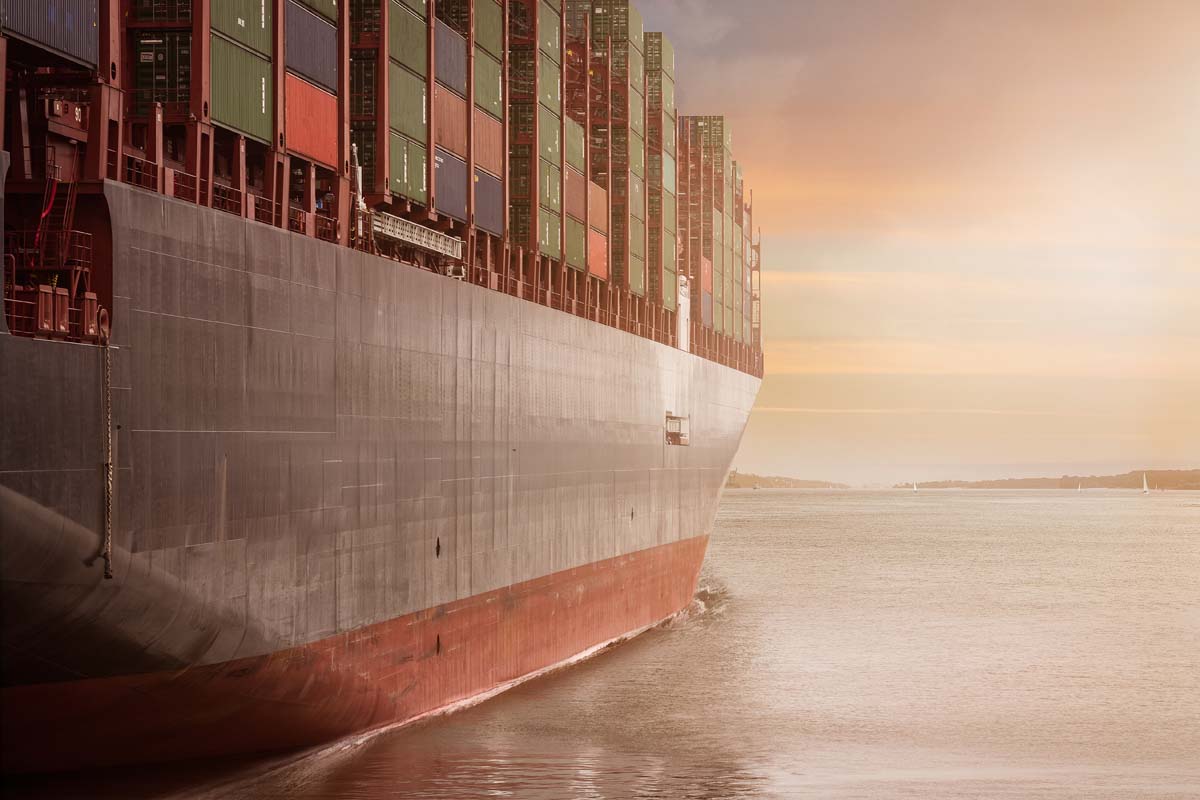
Two Commercial Vessels Hit Near Strait of Hormuz


(MENAFN) Two commercial vessels came under attack near the Strait of Hormuz on Sunday, heightening tensions in one of the world’s most critical energy corridors, according to the United Kingdom Maritime Trade Operations (UKMTO).
The chokepoint—responsible for roughly 20% of global oil and liquefied natural gas shipments—is now effectively under a dual blockade. Iran has restricted passage for what it calls “hostile vessels,” while U.S. naval forces are preventing ships from entering or exiting Iranian ports.
The first alert emerged after multiple vessels near the Emirati city of Ras Al Khaimah reported receiving radio instructions ordering them to abandon anchorage and proceed toward Dubai.
Soon after, a bulk carrier traveling north was attacked by small boats approximately 11 nautical miles west of Sirik, Iran. In a separate incident hours later, a tanker was struck by unidentified projectiles about 78 nautical miles north of Fujairah in the United Arab Emirates.
Despite the attacks, all crew members aboard the affected ships were reported safe, with no environmental damage detected, according to UKMTO.
Amid the escalating crisis, U.S. President Donald Trump announced that Washington will begin escorting vessels from neutral nations through the strait starting Monday. Roughly 2,000 ships have remained stranded in and around Hormuz since the onset of the U.S.-Israeli conflict with Iran on February 28.
According to media, the U.S. plans to supply commercial vessels with intelligence on safe transit routes free from Iranian naval mines, while American warships will stand ready to deter any potential attacks.
Tehran has pushed back sharply, warning that such actions would breach the ceasefire agreement reached nearly a month ago. Iranian officials insist they retain sovereign authority over the passage, with Deputy Parliament Speaker Ali Nikzad stating that the country holds a “natural right” to control the strait and will not retreat from its stance, regardless of ongoing negotiations with Washington.
The chokepoint—responsible for roughly 20% of global oil and liquefied natural gas shipments—is now effectively under a dual blockade. Iran has restricted passage for what it calls “hostile vessels,” while U.S. naval forces are preventing ships from entering or exiting Iranian ports.
The first alert emerged after multiple vessels near the Emirati city of Ras Al Khaimah reported receiving radio instructions ordering them to abandon anchorage and proceed toward Dubai.
Soon after, a bulk carrier traveling north was attacked by small boats approximately 11 nautical miles west of Sirik, Iran. In a separate incident hours later, a tanker was struck by unidentified projectiles about 78 nautical miles north of Fujairah in the United Arab Emirates.
Despite the attacks, all crew members aboard the affected ships were reported safe, with no environmental damage detected, according to UKMTO.
Amid the escalating crisis, U.S. President Donald Trump announced that Washington will begin escorting vessels from neutral nations through the strait starting Monday. Roughly 2,000 ships have remained stranded in and around Hormuz since the onset of the U.S.-Israeli conflict with Iran on February 28.
According to media, the U.S. plans to supply commercial vessels with intelligence on safe transit routes free from Iranian naval mines, while American warships will stand ready to deter any potential attacks.
Tehran has pushed back sharply, warning that such actions would breach the ceasefire agreement reached nearly a month ago. Iranian officials insist they retain sovereign authority over the passage, with Deputy Parliament Speaker Ali Nikzad stating that the country holds a “natural right” to control the strait and will not retreat from its stance, regardless of ongoing negotiations with Washington.

Legal Disclaimer:
MENAFN provides the
information “as is” without warranty of any kind. We do not accept
any responsibility or liability for the accuracy, content, images,
videos, licenses, completeness, legality, or reliability of the information
contained in this article. If you have any complaints or copyright
issues related to this article, kindly contact the provider above.


Comments
No comment