

403
Sorry!!
Error! We're sorry, but the page you were looking for doesn't exist.
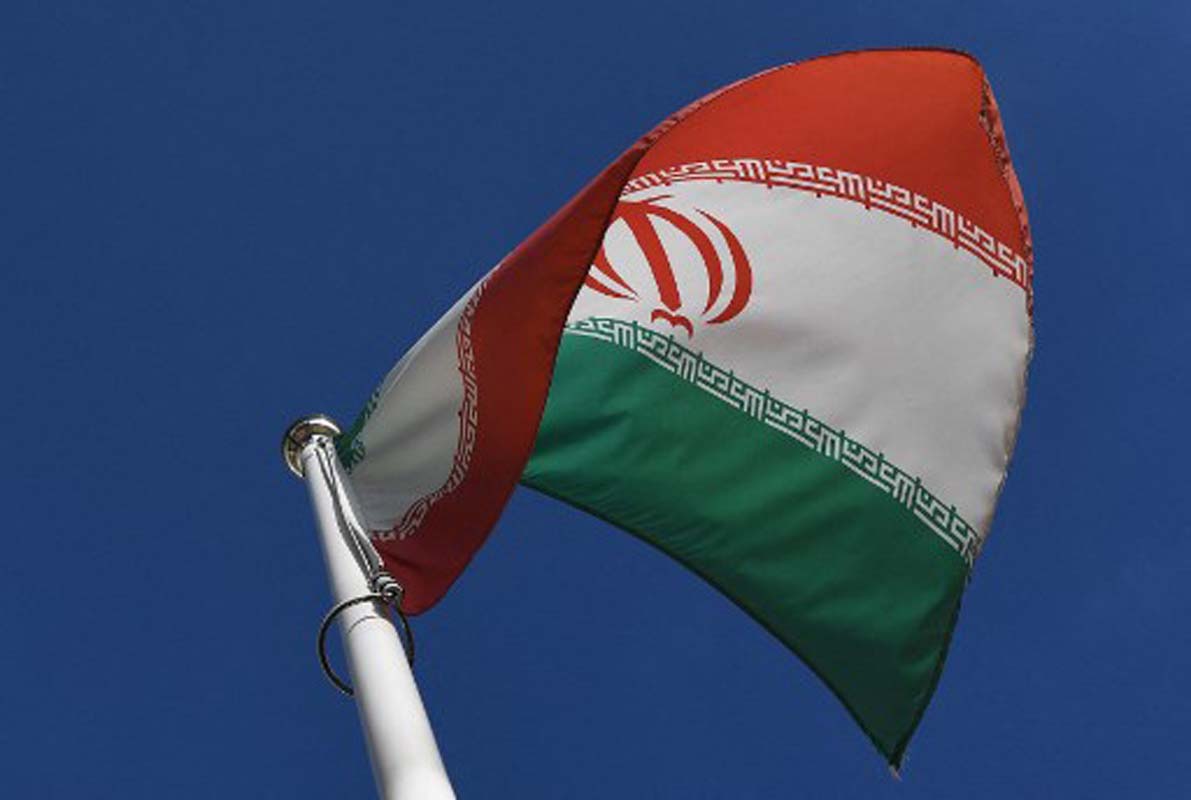
Iranian Foreign Minister Dismisses US Leverage Claims


(MENAFN) Iranian Foreign Minister Abbas Araghchi has flatly rejected Washington's assertion that it holds the dominant hand in the ongoing war with Iran, as Pakistan-brokered negotiations between the two sides continue to stall with no breakthrough in sight.
The standoff stems from a US-Israeli offensive launched in late February, with both Washington and Tehran locked in a war of attrition over who can outlast the other diplomatically and militarily.
"We have all the cards. If they want to talk, they can come to us, or they can call us," President Donald Trump said in an interview with a news agency on Sunday. "We are not sending people to travel 18 hours to [Islamabad]."
Araghchi, who traveled through Pakistan and Oman over the weekend before heading to Russia, fired back on X, disputing Trump's leverage claims and flagging potential escalation scenarios. "Add summer vacation to the [list of leverage] unless they want to cancel it for the US!" he wrote, in an apparent reference to rising fuel prices straining American consumers.
Stalled Diplomacy and a New Framework
In retaliation for the US-Israeli strikes, Iran has partially shuttered the strategically vital Strait of Hormuz and threatened maritime traffic through the Bab-el-Mandeb strait via its Houthi allies in Yemen. Washington responded by announcing a blockade of the Persian Gulf targeting Iranian oil exports, with the Trump administration also warning it could obliterate Iran's entire "civilization."
In his Fox interview, Trump argued that Iran's inability to meaningfully reduce oil output — combined with rapidly filling storage capacity — risks triggering internal explosions within its oil infrastructure, a vulnerability he claimed tilts leverage firmly toward Washington.
Despite the hardened rhetoric, Araghchi reportedly declined a direct meeting with Trump envoys Steve Witkoff and Jared Kushner in Islamabad, instead channeling a new proposal through intermediaries. According to Axios, the framework proposes reopening the Persian Gulf while deferring contentious negotiations over Iran's uranium enrichment program and stockpiles to a later stage. The Trump administration has used allegations of Iranian nuclear weapons development to justify its military campaign against Tehran.
Lebanon Violence Adds Further Pressure
The already fragile US-Iran ceasefire faces additional stress from relentless Israeli military activity in Lebanon, which was expected to cease under both the broader truce and a separate bilateral ceasefire extended last Friday.
Israeli Prime Minister Benjamin Netanyahu, speaking at a weekend cabinet meeting, accused Hezbollah — the Tehran-aligned Lebanese armed group — of "undermining the ceasefire" and announced further offensive operations to "preempt immediate and emerging threats."
Israel has stated its objective of establishing control over large swaths of southern Lebanon stretching to the Litani River. Lebanon's Health Ministry recorded at least 14 deaths from Israeli strikes on Saturday alone. Beirut reports that since Israel escalated hostilities with Lebanon amid the broader Iran conflict, more than 2,500 people have been killed and over 7,700 wounded.
The standoff stems from a US-Israeli offensive launched in late February, with both Washington and Tehran locked in a war of attrition over who can outlast the other diplomatically and militarily.
"We have all the cards. If they want to talk, they can come to us, or they can call us," President Donald Trump said in an interview with a news agency on Sunday. "We are not sending people to travel 18 hours to [Islamabad]."
Araghchi, who traveled through Pakistan and Oman over the weekend before heading to Russia, fired back on X, disputing Trump's leverage claims and flagging potential escalation scenarios. "Add summer vacation to the [list of leverage] unless they want to cancel it for the US!" he wrote, in an apparent reference to rising fuel prices straining American consumers.
Stalled Diplomacy and a New Framework
In retaliation for the US-Israeli strikes, Iran has partially shuttered the strategically vital Strait of Hormuz and threatened maritime traffic through the Bab-el-Mandeb strait via its Houthi allies in Yemen. Washington responded by announcing a blockade of the Persian Gulf targeting Iranian oil exports, with the Trump administration also warning it could obliterate Iran's entire "civilization."
In his Fox interview, Trump argued that Iran's inability to meaningfully reduce oil output — combined with rapidly filling storage capacity — risks triggering internal explosions within its oil infrastructure, a vulnerability he claimed tilts leverage firmly toward Washington.
Despite the hardened rhetoric, Araghchi reportedly declined a direct meeting with Trump envoys Steve Witkoff and Jared Kushner in Islamabad, instead channeling a new proposal through intermediaries. According to Axios, the framework proposes reopening the Persian Gulf while deferring contentious negotiations over Iran's uranium enrichment program and stockpiles to a later stage. The Trump administration has used allegations of Iranian nuclear weapons development to justify its military campaign against Tehran.
Lebanon Violence Adds Further Pressure
The already fragile US-Iran ceasefire faces additional stress from relentless Israeli military activity in Lebanon, which was expected to cease under both the broader truce and a separate bilateral ceasefire extended last Friday.
Israeli Prime Minister Benjamin Netanyahu, speaking at a weekend cabinet meeting, accused Hezbollah — the Tehran-aligned Lebanese armed group — of "undermining the ceasefire" and announced further offensive operations to "preempt immediate and emerging threats."
Israel has stated its objective of establishing control over large swaths of southern Lebanon stretching to the Litani River. Lebanon's Health Ministry recorded at least 14 deaths from Israeli strikes on Saturday alone. Beirut reports that since Israel escalated hostilities with Lebanon amid the broader Iran conflict, more than 2,500 people have been killed and over 7,700 wounded.

Legal Disclaimer:
MENAFN provides the
information “as is” without warranty of any kind. We do not accept any
responsibility or liability for the accuracy, content, images, videos,
licenses, completeness, legality, or reliability of the information
contained in this article. If you have any complaints or copyright issues
related to this article, kindly contact the provider above.
Comments
No comment