




403
Sorry!!
Error! We're sorry, but the page you were looking for doesn't exist.
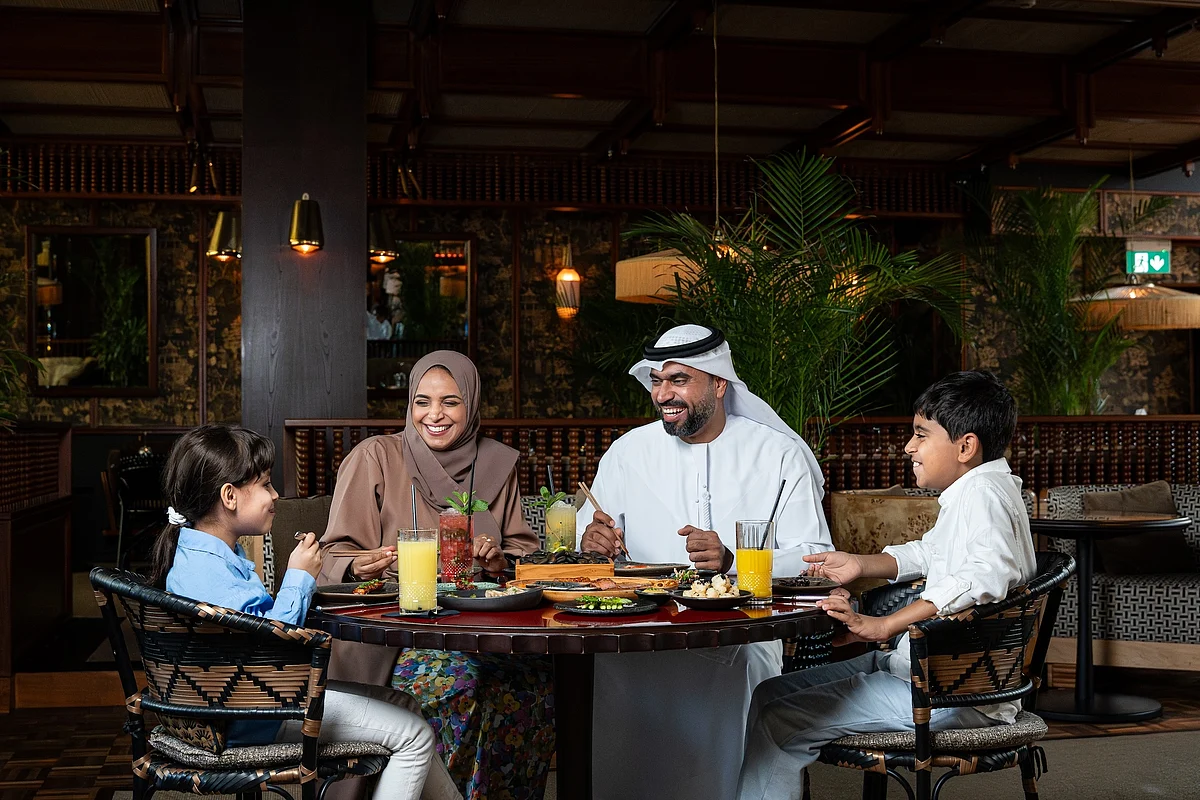
Dubai's Hospitality Sector Goes For The Reset Button
(MENAFN- Khaleej Times) James Henderson is the founder of JBH Public Relations, UAE, and Soho Communications, London.
Over the past seven weeks, I've been asking a simple question: has this period of disruption created a reset that the UAE's hospitality sector perhaps needed?
Recommended For YouFrom where I stand, the answer is yes - but not in the way many might expect.
To be clear, hospitality and restaurants in Dubai did not grind to a halt. Throughout this period, venues rooted in community remained consistently busy. While districts like Dubai International Financial Centre (DIFC) and other high-end destinations saw a sharper impact, neighbourhood cafés and home-grown concepts quietly thrived.
In many ways, this moment has accelerated a shift that's been building for years. People are still going out - but they're more selective. The default is no longer the most obvious, high-profile venue, but places that feel local, accessible and connected.
Before this, Dubai's dining scene had become oversaturated at the top end. Premium pricing had become the norm, with too many concepts competing for a limited pool of high-spending diners. What we're seeing now is not just a correction, but a recalibration.
The“winners” are not simply the biggest players, but the most agile - those creating entirely new propositions rather than tweaking existing ones.
A strong example is how Michelin-starred restaurants are reworking their Dh1,000 per head experiences, in some cases reducing price points by as much as 80 per cent. These aren't diluted versions, but more focused, creative formats designed to deliver real value - a smarter way of engaging today's audience.
At the same time, even the city's most established venues are showing a new pattern. Since the return of the back-to-school season, the most high-profile spots have quickly regained weekend momentum - proof that the“Dubai party” remains intact.
But the real shift is happening midweek.
Footfall is softer, pushing operators to be more creative - with sharper pricing, new formats and greater flexibility to drive consistency beyond peak periods. The result is a more dynamic, responsive and competitive market.
Meanwhile, community-led venues continue to see sustained and in some cases increased support. This reflects a deeper behavioural shift: consumers are more deliberate, more value-conscious and increasingly drawn to experiences that feel personal rather than performative.
One major hospitality group, by contrast, is adapting by looking outward. Global expansion has become a strategic buffer, allowing them to follow their audiences beyond the UAE.
What's emerged is a dual shift: stronger support for community-driven venues, and a more outward-looking strategy from larger players.
Weekends will likely continue to reflect the Dubai we know - vibrant and high-spending. But midweek, we'll see more experimentation, more initiatives and a growing presence of brands embedding themselves within communities.
Costs are rising, margins are tightening and uncertainty remains. But within that lies opportunity.
If this period has reinforced anything, it's that relevance now outweighs scale - defined by how well a brand understands and serves its audience, whether locally or globally.
In that sense, this does feel like a reset. And for many across the UAE's hospitality sector, it may well be the one they needed.

Legal Disclaimer:
MENAFN provides the
information “as is” without warranty of any kind. We do not accept
any responsibility or liability for the accuracy, content, images,
videos, licenses, completeness, legality, or reliability of the information
contained in this article. If you have any complaints or copyright
issues related to this article, kindly contact the provider above.
Most popular stories
Market Research

More Story






Comments
No comment