




403
Sorry!!
Error! We're sorry, but the page you were looking for doesn't exist.
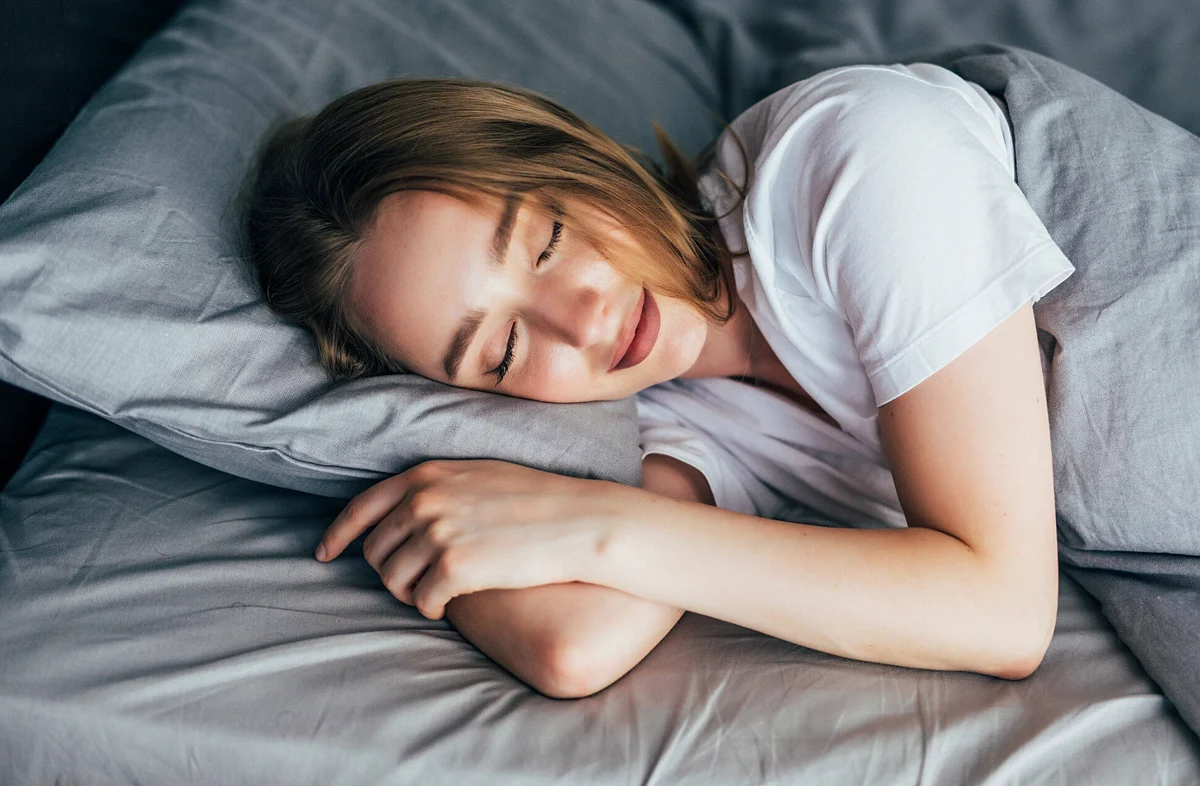
Tired Despite A Good Sleep Score? Experts Offer 7 Ways To Optimise Your Rest In The UAE
(MENAFN- Khaleej Times) From late‐night scrolls to AC‐blasted bedrooms, here's how high‐achieving residents can finally wake up clear‐headed instead of wired and wiped out
- By: Somya Mehta
Waking up before dawn to squeeze in a workout, answering Slack messages across time zones and then scrolling in bed “just to switch off”: This was everyday life for one Dubai‐based real estate executive until his body hit a wall. He was sleeping 5-6 hours a night, his tracker showed “great efficiency”, but he woke up tired, foggy and increasingly anxious.
Working with a stress and sleep coach, he learned that his nervous system never really dropped out of stress mode: elevated cortisol was suppressing melatonin, delaying sleep and creating a vicious cycle of exhaustion by day and hyper‐alertness at night.
Recommended For YouHis turnaround began not with any “miracle” supplement, but with a 20‐minute wind‐down window, a fixed wake‐time, less late‐night screen time and, most importantly, a new mindset that made him understand how sleep wasn't an “add‐on” to his productivity but its mere foundation.
The UAE sleep paradox Recent data from Oura shows UAE residents sleep slightly less than the global average, yet score among the world's most “efficient” sleepers - they fall asleep quickly and stay asleep once they do. Experts say this reflects a culture of long days, late socialising, heavy screen use and time‐zone‐spanning work that compresses rest into a shorter window.
“Less hours of uninterrupted, efficient sleep can sometimes be more restorative than a longer but fragmented night. Though, the body still requires sufficient total sleep time,” notes Dr Yousef Said, medical director at Metabolic Health, Dubai. Chronic short sleep, even when efficient, impairs insulin sensitivity, appetite regulation and long‐term metabolic health, raising the risk of weight gain and Type 2 diabetes.
Sleep coach Shivani Bhattacharya sees the same paradox in her practice. Many professionals may proudly boast their sleep scores, yet feel tired and reactive. “Efficient sleep is valuable, but it shouldn't replace adequate sleep,” she explains, adding that when “the sleep window is too short, the body often misses later REM‐rich cycles needed for emotional processing, memory, and resilience”.
So, how do you optimise sleep in a country built on late dinners, AC‐blasted offices and a culture of 24x7 connectivity, without pretending everyone can live like a wellness influencer? These UAE‐based experts offer practical insights:
1. Redefine 'good sleep': quality and quantityFor a female CEO balancing long work hours, leadership pressures and the emotional load that comes with modern ambition, sleep could easily become the first thing to compromise. But for Ruby Ubhi, CEO of Maaha People, good sleep is not about chasing perfection or subscribing to a rigid idea of wellness.
“I prioritise quality over quantity, but I also know I need a minimum amount to function well,” she says, challenging the culture of optimisation that often turns rest into another performance metric.
Her focus has shifted from squeezing sleep into productivity culture to seeing it as an act of respect for human potential. Reading Matthew Walker's Why We Sleep nudged her to rethink habits like afternoon coffee. She now avoids caffeine after midday and mostly drinks decaf, relying on tiredness - not stimulants - to tell her when to rest.
Crucially, she also challenges the internalised guilt that slowing down means laziness. “I know the world is not going to end because I got a full night's sleep.”
However, sleep doesn't really start when your head hits the pillow. “It starts with how you wind down your day,” says Bhattacharya. “Even a consistent 20‐minute buffer of dim lights, stretching or reading helps cortisol drop and nudges melatonin to increase, improving both sleep onset and total nightly rest.”
2. Build 'rest cultures' at workSeveral experts point out that optimising sleep in the UAE isn't only about personal discipline, it's also about the work culture. “The real question is whether we're creating work cultures where people can rest and recover as they need. Not just CEOs or the people in power,” says Ubhi. Late‐night alerts, “always‐on” expectations and glorified exhaustion make it harder for employees to truly switch off.
Dr Ryan Copeland, regional medical director at International SOS, sees the consequences in corporate health data. Short sleep, fragmented nights and constant alert‐checking are common among employees and expatriates, especially during periods of regional uncertainty that push communications later into the evening.
“The result is higher accident risk, slower reaction times and impaired judgment, which is particularly worrying in pressure‐heavy roles,” he says. “On the health side, chronic sleep loss raises blood pressure, inflammation and lowers immunity, compounding stress in prolonged crises.”
Both underline a simple but underused solution: a fixed wake‐up time. “A fixed wake‐up time, more than any gadget, anchors your circadian rhythm and improves sleep drive at night,” Dr Copeland adds.
When this is supported - not sabotaged - by company norms (reasonable meeting times, fewer midnight emails, realistic response expectations), employees can maintain healthier rhythms even in demanding sectors.
3. Engineer your environment Living in the Gulf means your bedroom is constantly fighting two extremes: desert heat outside and ice‐cold AC inside. For biohacker and nutritionist Joy Somers, the UAE's climate shows up clearly in her experience.
“Summer nights push core body temperature up, cutting deep sleep by 20-30 minutes,” she says, based on her Gabit Ring metrics. Constant AC, meanwhile, dries the air, increases snoring and silently dehydrates, “all of which drag down Heart Rate Variability (HRV) and recovery”.
A cooling mattress topper set to 16-18°C, blackout curtains, a humidifier with HEPA filter, evening electrolytes with extra potassium and red‐light routines to protect melatonin despite late sunsets are some of Somer's sleep “hacks”. These tweaks, she says, restored her sleep efficiency even in 45°C heat.
4. Don't outsource sleep to gadgetsSomers frames sleep as “the number one biohack everyone needs to focus on”, but her own journey shows that gadgets alone aren't enough.
After battling chronic insomnia in her late 20s, she rebuilt her sleep using a “layered biohacking stack”: a strict 10pm–6am window, morning sunlight within 30 minutes of waking, magnesium glycinate and apigenin 45 minutes before bed, and a 10‐minute NSDR (non‐sleep deep rest) protocol midday.
Within three weeks, her Gabit sleep score jumped from the 60s to 85+, and later, targeted peptides like DSIP (Delta Sleep‐Inducing Peptide) further deepened her delta‐wave sleep, all taken under medical supervision.
To this, Dr Copeland adds, it's important to not treat supplements as magic cures. Magnesium and L‐theanine may aid relaxation, while melatonin can help with timing for jet lag or shifted schedules.
"But all should be used at the lowest effective dose, short‐term and alongside strong habits,” he says. “Persistent fatigue despite 'good' sleep hygiene is reason to see a doctor, not to pile on more stimulants or pills.”
5. Calm the nervous systemIf your lifestyle keeps your nervous system in low‐grade fight‐or‐flight, no amount of new pillows will fix your sleep. Wellness coach Sanam Edwards observes that overstimulation, work pressure, late nights and screens leave many clients “tired but unable to switch off” their bodies, holding stress even when they lie down. Her work focuses on creating safety in the body again through energy healing, breathwork, grounding and sound.
“People often ease up quickly in sessions and as their nervous systems begin to get regulated, sleep and recovery begin to improve organically,” she adds, advocating a simple “sleep energy environment”: dim lights, fewer screens, cleared clutter, calming scents and 5-10 minutes of silence before bed. “Small rituals can shift the energy of a space beautifully,” says Edwards.
On the other hand, Bhattacharya uses methods like CBT‐I principles to help clients stop labelling themselves as insomniacs and reduce the performance anxiety around sleep. “Techniques like box breathing (inhaling for four seconds, holding for four, exhaling for four, pausing for four) also lower nervous system arousal, while mindfulness and journaling help offload racing thoughts in culturally diverse populations like the UAE.”
6. Work with Dubai's social rhythm, not against itMetabolic Health's Joelle Debs sees naps as a legitimate tool in hot climates. “If used wisely, brief daytime naps of 20-30 minutes can boost alertness and cognitive performance without harming night‐time sleep, especially when high temperatures make daytime activity draining,” she adds. “But long or late‐afternoon naps reduce sleep pressure and make it harder to fall asleep at night.”
Bhattacharya regularly encounters “revenge bedtime procrastination” in UAE clients: after a tightly scheduled day, they stay up late on phones or laptops just to reclaim personal time.
“In such cases, rather than banning screens outright, I encourage people to batch social media and emails earlier in the evening,” she adds. “You can set a 'last work message' time and then create a realistic 15-20 minute pre‐sleep ritual that still respects family and social life.”
7. Protect metabolism, mood and focus Beyond feeling groggy, disrupted sleep also has deeper consequences for physical and mental health. “Short or fragmented sleep increases insulin resistance, elevates cortisol and skews hunger hormones, driving cravings for high‐calorie, carb‐heavy foods and making weight management harder,” explains Dr Yousef. “Over time, this pattern raises the risk of metabolic disease.”
To this, Dr Copeland adds that insufficient sleep also raises inflammation, lowers immunity, and impairs performance during exercise, which many people rely on to manage stress and protect mental health. “Better sleep hygiene, paradoxically, makes workouts more effective and further builds resilience,” he says.
On the mood and cognition side, Bhattacharya describes how chronic stress and poor sleep gradually erode the prefrontal cortex's ability to regulate emotions. “People become more reactive, less clear‐headed and feel like each day is harder to cope with, even if their trackers say their sleep is 'fine'.”
All about few high‐impact solutionsFor anyone in the UAE waking up tired despite “enough” hours, Dr Copeland suggests first checking for common culprits: heavy evening meals, caffeine after midday, late screens, or untreated medical issues like sleep apnoea or reflux. If fatigue persists for two weeks despite solid habits, it may be wise to get a medical review.
Most importantly, optimising your sleep isn't about achieving some fancy 10‐step routine. Instead, try combining a few high‐impact solutions with an honest look at how work, culture, hormones and climate actually shape your nights. As Somers puts it, when women (and men) start prioritising recovery as seriously as performance, “everything else - be it hormones, mood, productivity - will fall into place”.
ALSO READ- Always feeling tired? Nearly 30% of adults in UAE are sleep deprived, study shows Dubai's newest fitness trend: The gym class where you sleep Doomscrolling all night? Here's why you can't stop and how to break the loop

Legal Disclaimer:
MENAFN provides the
information “as is” without warranty of any kind. We do not accept
any responsibility or liability for the accuracy, content, images,
videos, licenses, completeness, legality, or reliability of the information
contained in this article. If you have any complaints or copyright
issues related to this article, kindly contact the provider above.
Most popular stories
Market Research

More Story







Comments
No comment