




403
Sorry!!
Error! We're sorry, but the page you were looking for doesn't exist.
Why Drivers Feel More Competent Working On Older Cars
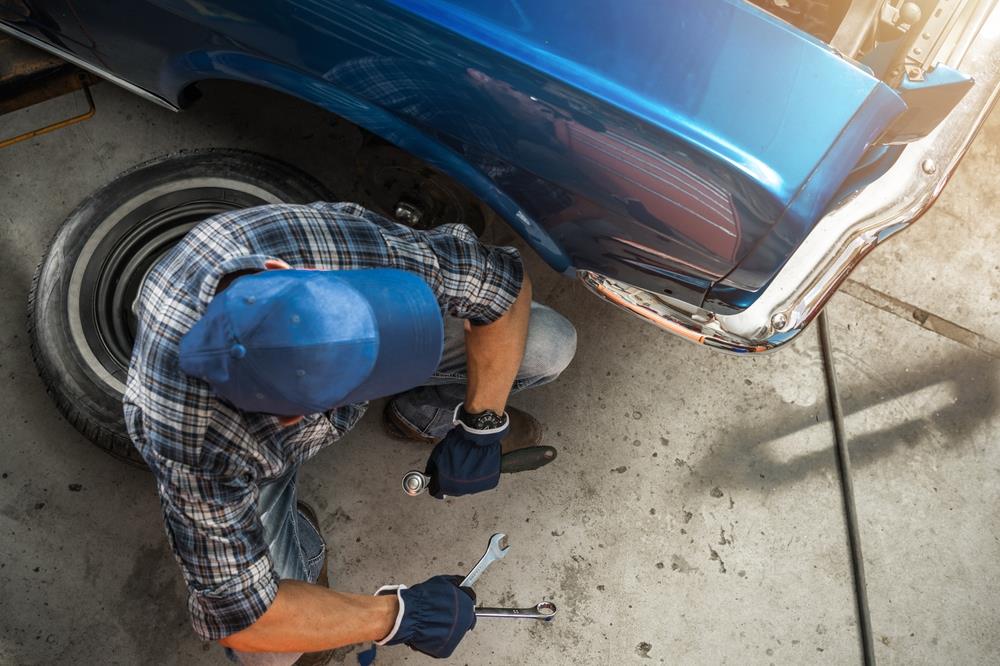
(MENAFN- Clever Dude) For many drivers, the hum of an engine isn't just background noise-it's a call to adventure. The smell of motor oil, the metallic click of a wrench, and the satisfying feel of a stubborn bolt giving way can make anyone feel like a hero in their own automotive story.
Unlike modern vehicles, which rely on computers, sensors, and software updates, older cars offer a world where human skill still rules. Turning a wrench becomes a triumph, not a mere diagnostic check on a touchscreen. The confidence gained from rolling up your sleeves and actually fixing something tangible is an addictive rush.
Hands-On Simplicity Makes Drivers Feel PowerfulOlder cars have engines and systems that are easier to see, touch, and manipulate. Without a maze of sensors and electronic modules, drivers can understand how things work almost intuitively. This simplicity allows for instant feedback-tighten a bolt, replace a spark plug, and hear the engine roar back to life. That direct cause-and-effect relationship is deeply satisfying and encourages drivers to experiment. In contrast, modern cars often obscure the process, leaving drivers unsure if their efforts actually made a difference.
Sense Of Accomplishment Is ImmediateCompleting even small repairs on older cars gives a tangible sense of achievement. Swap a battery, change brake pads, or adjust carburetor timing, and the results are immediately visible and measurable. That instant gratification reinforces the feeling that you are competent and capable. Unlike dealing with electronic diagnostics that require endless codes and manuals, the outcomes in older vehicles are straightforward. This immediate reward cycle strengthens confidence every time someone steps back from a successfully completed task.
Mechanical Knowledge Feels Like SuperpowersWhen drivers understand how an engine functions, their knowledge becomes a secret superpower. Older cars make it easier to grasp the relationship between fuel, air, spark, and motion. Understanding these connections allows drivers to troubleshoot problems using logic rather than relying on software. Each repair or adjustment feels like a puzzle solved, reinforcing competence and mastery. Modern cars, while technologically advanced, often hide this knowledge behind layers of electronics, leaving drivers feeling detached from the process.
Encourages Problem-Solving And CreativityWorking on older cars nurtures problem-solving skills in a way that modern vehicles rarely do. When a carburetor acts up or a clutch slips, drivers must think critically and creatively to find solutions. There's no instant software fix, so trial, error, and ingenuity become essential tools. This hands-on approach not only strengthens technical skill but also boosts mental agility. Drivers often report feeling more resourceful and capable after tackling a complex repair on an older machine.
Physical Interaction Enhances ConfidenceThere's something uniquely empowering about physically interacting with your car. Twisting, loosening, and tightening bolts engages the senses and strengthens the bond between driver and vehicle. This tactile connection reinforces the notion that you are actively shaping the performance of your machine. Older cars offer more of these opportunities than their modern counterparts, which often require specialized tools or software interfaces. The physicality of repair work naturally increases confidence and the perception of competence.
Less Dependence On Experts Builds AutonomyOlder cars reduce reliance on expensive professional mechanics and dealership diagnostics. Drivers can often perform repairs themselves, which fosters a sense of independence. This self-sufficiency encourages continuous learning and exploration, reinforcing competence over time. By solving problems without outsourcing, drivers gain practical experience that can't be taught in a classroom. Modern vehicles, with their complex computer systems, often make DIY efforts nearly impossible, leaving owners feeling helpless.
Nostalgia Connects Knowledge With EmotionWorking on older cars often taps into nostalgia, which adds a layer of emotional satisfaction. Many drivers remember tinkering with vehicles in their youth or watching family members repair cars. This connection blends mechanical competence with positive memories, creating a rewarding emotional experience. Emotional reinforcement strengthens the sense of mastery and makes every repair more enjoyable. The combination of skill and sentiment gives older cars a unique appeal that modern vehicles struggle to match.
Encourages Learning Through Trial And ErrorMistakes in older cars are visible and usually reversible, making them ideal for learning. A misadjusted carburetor or loose belt teaches lessons quickly and memorably. Drivers gain confidence by understanding that errors are part of the process, not catastrophic failures. Modern vehicles, however, often punish mistakes with expensive parts or electronic malfunctions. The forgiving nature of older cars encourages experimentation, which is a cornerstone of skill development.
Community And Knowledge Sharing Boost ConfidenceOwners of older cars often form tight-knit communities where tips, tricks, and techniques are exchanged freely. Forums, local clubs, and informal gatherings allow drivers to learn from each other and confirm their skills. This social reinforcement increases self-assurance and competence. Sharing advice and solutions helps owners feel like experts in a collaborative environment. Modern car owners, reliant on proprietary software and service networks, rarely experience this same communal support.
Maintenance Becomes A Fun ChallengeRoutine maintenance on older cars feels less like a chore and more like a game or challenge. The complexity is manageable, and the results are directly observable. Drivers can time themselves, test different techniques, and celebrate small victories with each successful repair. This gamified experience strengthens confidence while keeping the work enjoyable. Modern vehicles, with their hidden electronics, often remove this playful aspect entirely.
Tell Us About Your Own Hands-On WinsOlder cars offer an unmatched sense of competence, skill, and satisfaction. From mechanical knowledge to problem-solving, physical interaction, and community support, every element contributes to making drivers feel capable and empowered.
If you've ever experienced that rush of accomplishment from fixing or tuning an older vehicle, we want to hear about it in the comments section below. Your stories, experiences, and insights could inspire other drivers to embrace hands-on automotive adventures.

Legal Disclaimer:
MENAFN provides the
information “as is” without warranty of any kind. We do not accept
any responsibility or liability for the accuracy, content, images,
videos, licenses, completeness, legality, or reliability of the information
contained in this article. If you have any complaints or copyright
issues related to this article, kindly contact the provider above.
Most popular stories
Market Research

More Story








Comments
No comment