




403
Sorry!!
Error! We're sorry, but the page you were looking for doesn't exist.
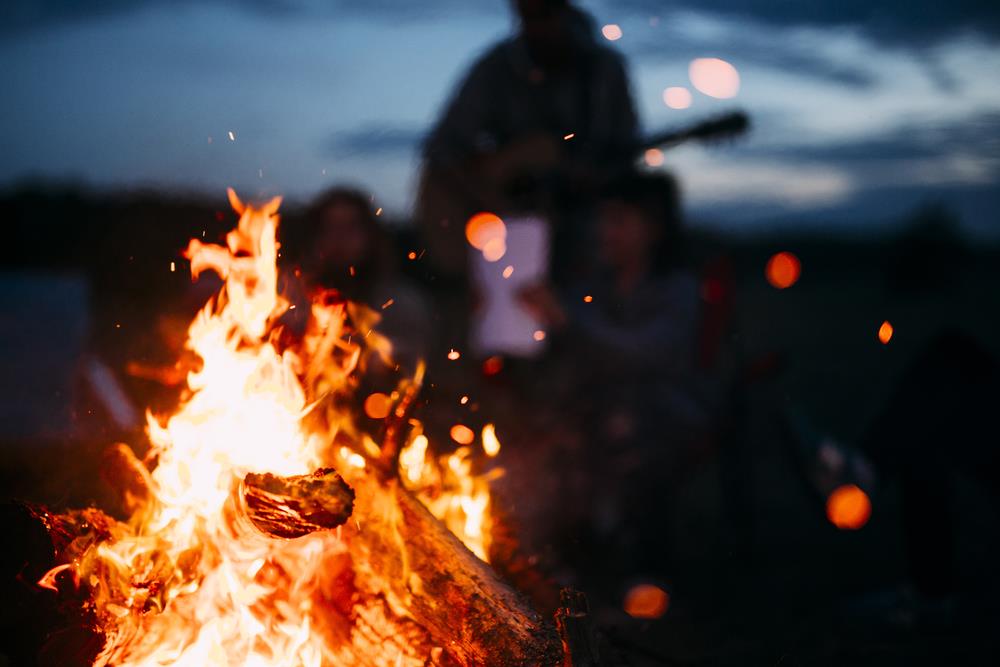
8 Everyday Items You Should Never Burn - Here's Why
(MENAFN- Clever Dude) A cozy fire pit or backyard bonfire might seem like the perfect place to get rid of odds and ends. But burning the wrong materials can release toxic chemicals, damage your lungs, and pollute the environment. Some items that seem harmless can actually be hazardous when ignited. Whether you're cleaning out the garage or lighting up the fireplace, it's crucial to know what should never go into the flames. Here are eight everyday items you should absolutely avoid burning at all costs!1. Pressure-Treated Wood
Pressure-treated wood is often used in decks, fences, and outdoor furniture. While it's durable, it's also infused with chemicals like arsenic and chromium to resist rot and insects. When burned, these chemicals are released into the air as toxic smoke and ash. Inhaling the fumes can cause respiratory issues and long-term health risks. Always dispose of treated wood at a proper waste facility instead of burning it.
2. Plastic Containers and WrappersPlastic might seem like it burns cleanly, but it's one of the worst offenders when it comes to toxic emissions. Burning plastic releases dioxins, furans, and other harmful compounds that can linger in the air and soil. These chemicals are linked to cancer, hormone disruption, and immune system damage. Even small amounts can pose serious health risks, especially to children and pets. Recycle plastics properly or dispose of them through your local waste management service.
3. Magazines and Glossy PaperThat stack of old magazines might look like great firestarter material, but think twice. Glossy paper is often coated with plastic or printed with heavy inks that release toxic fumes when burned. These emissions can irritate your lungs and contribute to indoor air pollution. Plus, the residue can build up in your chimney, increasing the risk of a house fire. Stick to plain, untreated paper or dry kindling instead.
4. Cardboard Boxes with Colored InkCardboard might seem safe, but if it's printed with colored ink or has a glossy finish, it's a no-go for burning. The dyes and coatings can release heavy metals and other pollutants into the air. These toxins can settle in your lungs or contaminate nearby soil and water. Burning cardboard also creates flying embers, which can spark unintended fires. Recycle your boxes instead of tossing them into the flames.
5. Dryer LintIt's tempting to use dryer lint as a firestarter because it's dry, fluffy, and flammable. But lint often contains synthetic fibers from clothing, which release harmful chemicals when burned. These fumes can be especially dangerous in enclosed spaces like fireplaces or wood stoves. Additionally, burning lint can create sticky residue that clogs chimneys or vents. Compost it or toss it in the trash instead.
6. Painted or Stained WoodLike pressure-treated lumber, painted or stained wood is loaded with chemicals that don't belong in your fire. When burned, these coatings release toxic gases that can irritate your eyes, throat, and lungs. Some older paints may even contain lead, which is especially dangerous when inhaled. The ash left behind can also be hazardous to handle or dispose of. If you're unsure whether wood is treated or painted, play it safe and don't burn it.
7. Rubber Items (Including Tires)Rubber products like old shoes, hoses, or tires should never be burned under any circumstances. Burning rubber produces thick, black smoke filled with toxic chemicals like sulfur dioxide and carbon monoxide. These fumes are not only harmful to your health but also contribute to air pollution and acid rain. Tires, in particular, are difficult to extinguish once ignited and can burn for hours. Take rubber items to a proper recycling facility instead.
8. Household TrashIt might be tempting to burn your everyday garbage to save space or avoid trash pickup fees. But most household waste contains a mix of plastics, chemicals, and synthetic materials that release dangerous toxins when burned. This includes items like food wrappers, cleaning product containers, and disposable diapers. Burning trash is illegal in many areas for good reason. It's a major health and environmental hazard. Stick to proper waste disposal methods to keep your air and community clean.
Fire Safety Starts with Smart ChoicesBurning the wrong materials might seem harmless in the moment, but the long-term consequences can be serious. From toxic fumes to fire hazards, these everyday items pose hidden dangers when tossed into the flames. By staying informed and making safer choices, you protect your health, your home, and the environment. Fire should bring warmth, not risk. So next time you light up, think twice about what you're burning.
Have you ever been surprised by something you shouldn't burn? Share your story or tips in the comments.

Legal Disclaimer:
MENAFN provides the
information “as is” without warranty of any kind. We do not accept
any responsibility or liability for the accuracy, content, images,
videos, licenses, completeness, legality, or reliability of the information
contained in this article. If you have any complaints or copyright
issues related to this article, kindly contact the provider above.
Most popular stories
Market Research

More Story







Comments
No comment