




403
Sorry!!
Error! We're sorry, but the page you were looking for doesn't exist.

As Online GP Use Overtakes Phone Calls, Who's Being Left Behind?
Author: Helen Atherton
(MENAFN- The Conversation) There are more than 1.4 million appointments a day in general practice in England. Traditionally, patients booked by telephone, braving the“8am scramble”. However, a higher proportion of people are now contacting their GP surgery online than by phone, according to new data from the Office for National Statistics.
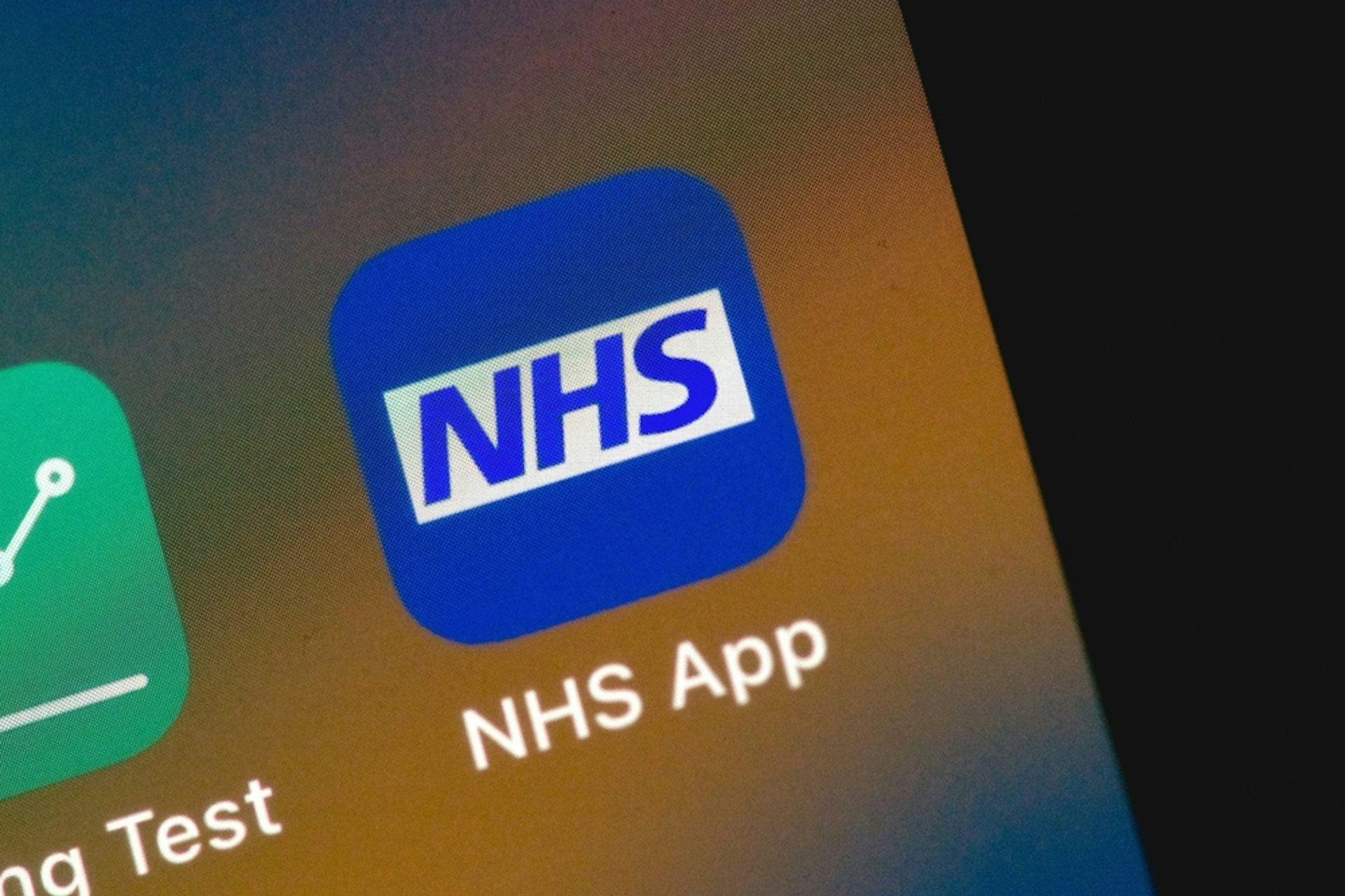
The UK government instructed GPs to offer online consultations during working hours. frank333/Shutterstock Barriers

The UK government recently instructed GP surgeries to offer online consultations from 8am to 6.30pm every day. Online consultation allows patients to explain their problem online. The online forms are checked, and patients are then spoken to on the phone or invited in for an appointment if needed.
Different GP surgeries use different online consultation tools, so you might not use the same system as friends or family.
Using online consultation requires internet access and the ability to write about your problem. This is easy for some people, but more difficult for others. Research shows that people living in the most deprived areas are less likely to be aware of or use online GP services.
This“deprivation gradient” is worrying because those who are worst off often have the greatest health needs. We cannot be sure that the increase in contacts with GP surgeries means everyone who needs care is actually getting it.
When researchers have looked at who uses online consultation, it is most popular with women, younger people, those in employment and people with long-term conditions. Having used the GP website before and being a frequent internet user also increases the likelihood of using online services. These groups probably make up a large share of those counted by the Office for National Statistics.
The UK government instructed GPs to offer online consultations during working hours. frank333/Shutterstock Barriers
Some barriers are obvious – not having internet access or digital skills. A 2024 survey in the UK found that 38% of households struggled with digital skills and 17% lacked functional skills, such as having an email account. Other barriers are less obvious – patients are often confused by the different online options, and reception staff are not always able to guide them.
Introducing online consultation has meant big changes for GP surgeries in a short space of time. In the 2025 General Practice Patient Survey, just 51% of patients found it easy to contact their surgery via the website, and 49% via the NHS app. There is still a lot of work to make online consultation an inclusive option for everyone.
People want easier ways to see their doctor, and digital options can fit into busy routines. Now that online consultations are common, it's important to understand who uses them and how they affect access to GPs. By looking at these patterns, we can help ensure online consultations improve access for everyone, rather than creating new barriers.
Institution:University of Southampton

Legal Disclaimer:
MENAFN provides the
information “as is” without warranty of any kind. We do not accept
any responsibility or liability for the accuracy, content, images,
videos, licenses, completeness, legality, or reliability of the information
contained in this article. If you have any complaints or copyright
issues related to this article, kindly contact the provider above.
Most popular stories
Market Research

More Story







Comments
No comment