




403
Sorry!!
Error! We're sorry, but the page you were looking for doesn't exist.
From Istanbul To Tora Bora: Pakistan Warns Taliban Of Spectacular Flight If Tensions Escalate
(MENAFN- Tribal News Network) -->
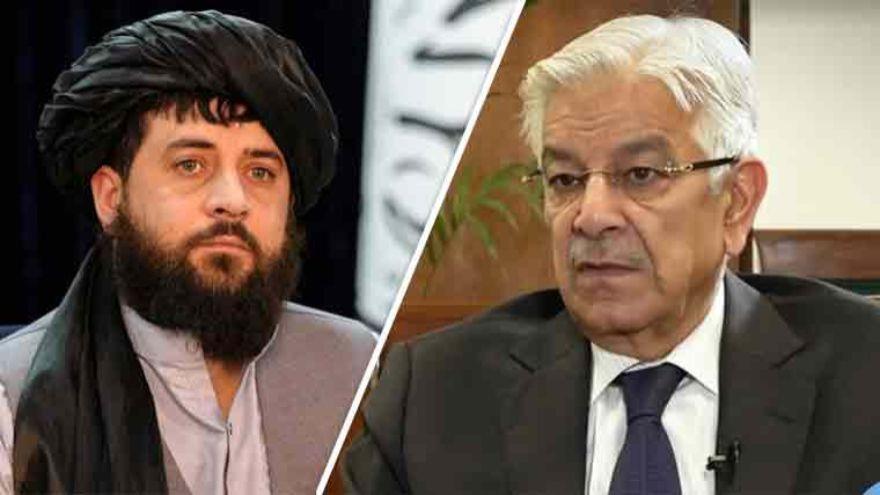
Pakistan's defence minister has issued a strong warning to the Taliban regime following the collapse of peace talks in Istanbul, warning that Islamabad could“completely destroy the Taliban regime and drive them back to their caves to hide,” and that it would not need to use even a small portion of its arsenal to do so.
He said a repeat of the Taliban's retreat to the Tora Bora caves would be“spectacular” for the region, referencing the mountain complex in eastern Afghanistan that gained notoriety as a Taliban and al-Qaeda stronghold in past conflicts.
The minister accused the Taliban of pushing Afghanistan toward another cycle of conflict to preserve its rule and sustain what he described as a“war economy.” He said Pakistan entered the Istanbul talks at the request of“brotherly countries” seeking to create an opportunity for peace but that“the Taliban regime's intentions have now become clear.”
Islamabad Demands Action, Kabul Evades Commitment
Four days of negotiations between Pakistani and Taliban delegations in Istanbul, mediated by Qatar and Türkiye, ended without agreement. Both sides met from Saturday to Wednesday, but officials said the Taliban delegation avoided addressing Pakistan's key concerns over cross-border terrorism and the presence of Tehreek-e-Taliban Pakistan (TTP) and Baloch separatist elements operating from Afghan territory.
Also Read: Sohail Afridi Asserts Visit to Peshawar Is for Judicial Supremacy, Not Political CampaigningA source familiar with the talks told Afghanistan International that Pakistan urged Kabul to declare the TTP a terrorist organisation and take concrete steps against its sanctuaries. Islamabad reportedly warned that if the Taliban refused, Pakistan reserved the right to strike“suspicious movements in Afghanistan” following TTP-linked attacks inside Pakistan.
The Taliban side maintained that the TTP issue is an“internal matter” for Pakistan and reiterated that Afghanistan would not allow its soil to be used to harm another country.
The Taliban delegation included Rahmatullah Najib, Suhail Shaheen, Anas Haqqani, Noor Ahmad Noor, Noor Rahman Nusrat, and Abdul Qahar Balkhi. Pakistan's seven-member team consisted of diplomats and intelligence officials.
Khawaja Asif Cautions Kabul Over Border Violations
Speaking to reporters at Parliament House after the talks, Defence Minister Khawaja Asif said it had become“clear to the mediators what Kabul's true intentions are.” He warned that Afghanistan was being drawn“back into the past,” and said the Taliban leadership“neither understands the definition of a state nor has anyone capable of defining it.”
He reiterated that Pakistan would respond to any cross-border attacks or violations with“full force.”“If Afghan soil is used for terrorism, we will respond accordingly,” he said.“If our borders are violated, we will strike back - even inside Afghanistan if necessary.”
Asif said the Taliban had“chosen resistance,” adding,“If that is their decision, then so be it.”
Mounting Tensions After Failed Mediation
Responding to the familiar Taliban phrase that“Afghanistan is the graveyard of empires,” Asif said,“Pakistan does not claim to be an empire, but Afghanistan has certainly been the graveyard of its own people.” He cautioned that“warmongers” within the Taliban regime had misunderstood Pakistan's determination and resolve.
The defence minister also accused the Taliban of maintaining“a drumbeat of war” to protect their control and sustain their war economy, even while recognising the limitations of their power.
Diplomatic Setback Raises Regional Concerns
The breakdown of the Istanbul talks and the subsequent exchange of strong statements highlight a widening gulf between Islamabad and Kabul. Pakistan's insistence on visible Taliban action against cross-border militants, coupled with its warning of potential strikes, raises fears of heightened tensions along the frontier.
With no written commitments or verifiable steps from Kabul, regional observers warn that further escalation could disrupt fragile stability in the border regions. Mediation by Qatar and Türkiye has so far failed to bridge differences, leaving both countries at a critical juncture between renewed dialogue and confrontation.

Legal Disclaimer:
MENAFN provides the
information “as is” without warranty of any kind. We do not accept
any responsibility or liability for the accuracy, content, images,
videos, licenses, completeness, legality, or reliability of the information
contained in this article. If you have any complaints or copyright
issues related to this article, kindly contact the provider above.
Most popular stories
Market Research

More Story




Comments
No comment