




403
Sorry!!
Error! We're sorry, but the page you were looking for doesn't exist.
Medical Applications Of Ayahuasca Vs. Marijuana: A Comparative Analysis
(MENAFN- Costa Rica News) In recent years, both Ayahuasca and Marijuana have gained significant attention for their potential medical applications . While these two substances are often discussed in the context of alternative medicine, they have distinct properties, uses, and cultural significance. This article delves into the differences between the medical applications of Ayahuasca and Marijuana, highlighting their unique benefits and challenges.Ayahuasca: A Journey into the Mind Origins and Composition
Ayahuasca is a psychoactive brew traditionally used by indigenous tribes in the Amazon Basin for spiritual and healing purposes. It is made from the Banisteriopsis caapi vine and the leaves of the Psychotria viridis plant. The primary active ingredient in Ayahuasca is N,N-Dimethyltryptamine (DMT), a powerful hallucinogen, combined with monoamine oxidase inhibitors (MAOIs) from the vine, which prevent the breakdown of DMT in the body.
Medical ApplicationsAyahuasca has been studied for its potential therapeutic effects on mental health disorders. Research suggests that Ayahuasca may help treat depression , anxiety, and post-traumatic stress disorder (PTSD) by promoting introspection and emotional release. Neuroimaging studies have shown that Ayahuasca increases blood flow to areas of the brain involved in emotion regulation and memory, such as the amygdala and hippocampus. Additionally, Ayahuasca has been reported to have anti-inflammatory and antimicrobial properties.
Challenges and RisksDespite its potential benefits, Ayahuasca is not without risks. The intense hallucinogenic experience can lead to psychological distress, including paranoia and anxiety. Moreover, the use of Ayahuasca outside of its traditional cultural context can pose ethical and safety concerns. The brew's effects can be unpredictable, and there have been reports of adverse reactions, particularly when used without proper guidance.
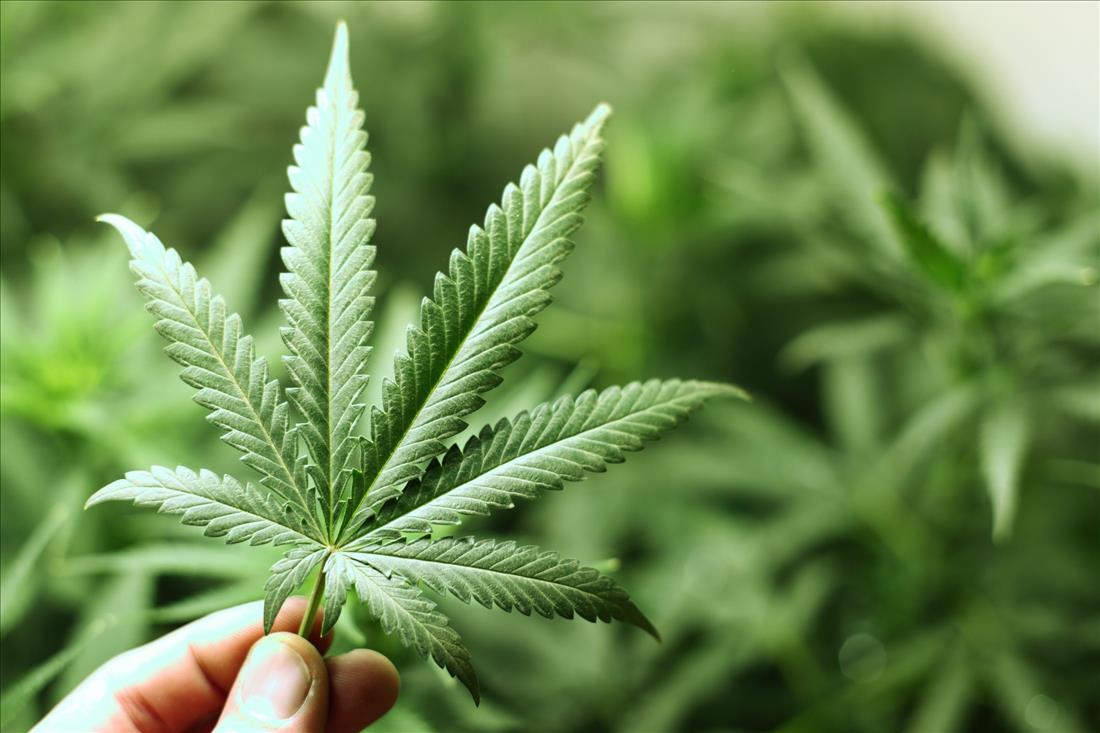
Marijuana: A Versatile Medicinal Plant Origins and CompositionMarijuana, derived from the Cannabis sativa plant, has been used for medicinal purposes for thousands of years. The plant contains over 100 active compounds known as cannabinoids, with the most well-known being tetrahydrocannabinol (THC) and cannabidiol (CBD). THC is responsible for the psychoactive effects of marijuana, while CBD is non-intoxicating and has been studied for its therapeutic properties.
Medical ApplicationsMarijuana has a wide range of medical applications, particularly in pain management. It is commonly used to alleviate chronic pain, including neuropathic pain and pain associated with conditions such as multiple sclerosis and arthritis. Marijuana is also used to manage symptoms of chemotherapy-induced nausea and vomiting, stimulate appetite in patients with HIV/AIDS, and reduce muscle spasms in individuals with multiple sclerosis5. Additionally, CBD-dominant strains of marijuana have shown promise in treating epilepsy, particularly in children with Dravet syndrome.
Challenges and RisksWhile marijuana has numerous medical applications, it also presents challenges. The psychoactive effects of THC can impair cognitive function and coordination, posing risks for activities such as driving. Long-term use of marijuana can lead to dependence and withdrawal symptoms. Moreover, the legal status of marijuana varies widely, with some countries and states allowing medical use while others maintain strict prohibitions. This legal ambiguity can complicate access to and research on medical marijuana.
Comparative Analysis Mechanisms of ActionThe primary difference between Ayahuasca and Marijuana lies in their mechanisms of action. Ayahuasca's effects are primarily due to the hallucinogenic properties of DMT, which interacts with serotonin receptors in the brain. In contrast, marijuana's effects are mediated by cannabinoids, which interact with the endocannabinoid system, a network of receptors involved in regulating various physiological processes6.
Therapeutic UsesWhile both substances have potential therapeutic uses, they are applied in different contexts. Ayahuasca is primarily used for its psychological and spiritual benefits, often in a ceremonial setting. It is particularly noted for its potential to treat mental health disorders by facilitating deep emotional and psychological exploration. On the other hand, marijuana is widely used for its physical health benefits, particularly in pain management and symptom relief for various medical conditions.
Cultural and Legal ConsiderationsThe cultural and legal contexts of Ayahuasca and Marijuana also differ significantly. Ayahuasca has deep roots in indigenous Amazonian cultures and is often used in traditional healing ceremonies. Its use outside of these contexts raises ethical and safety concerns. Marijuana, while also having a long history of medicinal use, has become more mainstream and is subject to varying legal regulations. The legal status of marijuana can impact its accessibility and the ability to conduct research on its medical applications.
In summary, Ayahuasca and Marijuana offer distinct medical applications, each with its own set of benefits and challenges. Ayahuasca's potential lies in its ability to facilitate profound psychological and emotional healing, while marijuana is valued for its versatility in managing physical symptoms and conditions. Understanding the differences between these substances can help guide their use in medical and therapeutic contexts, ensuring that patients receive the most appropriate and effective treatments for their needs.->At Resonance, we aspire to live in harmony with the natural world as a reflection of our gratitude for life. Visit and subscribe at Resonance Costa Rica Youtube Channel @resonanceCR
Legal Disclaimer:
MENAFN provides the
information “as is” without warranty of any kind. We do not accept
any responsibility or liability for the accuracy, content, images,
videos, licenses, completeness, legality, or reliability of the information
contained in this article. If you have any complaints or copyright
issues related to this article, kindly contact the provider above.
Most popular stories
Market Research

More Story







Comments
No comment