



403
Sorry!!
Error! We're sorry, but the page you were looking for doesn't exist.
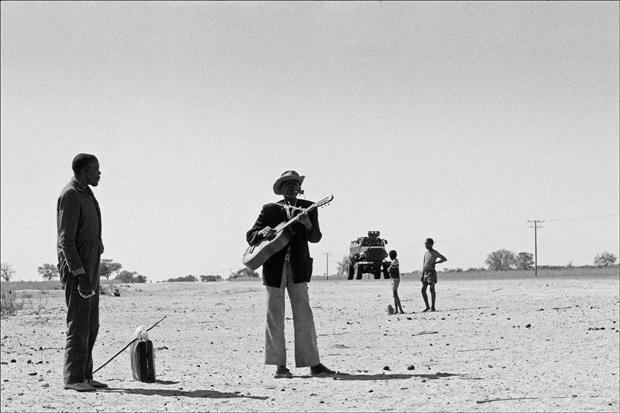
Pop culture: restoring Namibia's forgotten resistance music
(MENAFN- The Conversation) There is a rich history of 20th century music in Namibia that was suppressed and all but erased by political forces. Now an archive project calledStolen Moments – Namibian Music History Untoldis restoring it to the public domain.
It is a national treasure hunt for the Namibian music culture that wasn't allowed to flourish duringapartheid in Namibiawhen the country was under white South African control. In the project's own words, it recovers 'the bits and pieces of our musical memory from the 1950s to the late 1980s' by collecting personal stories as well as visual and sound documents.
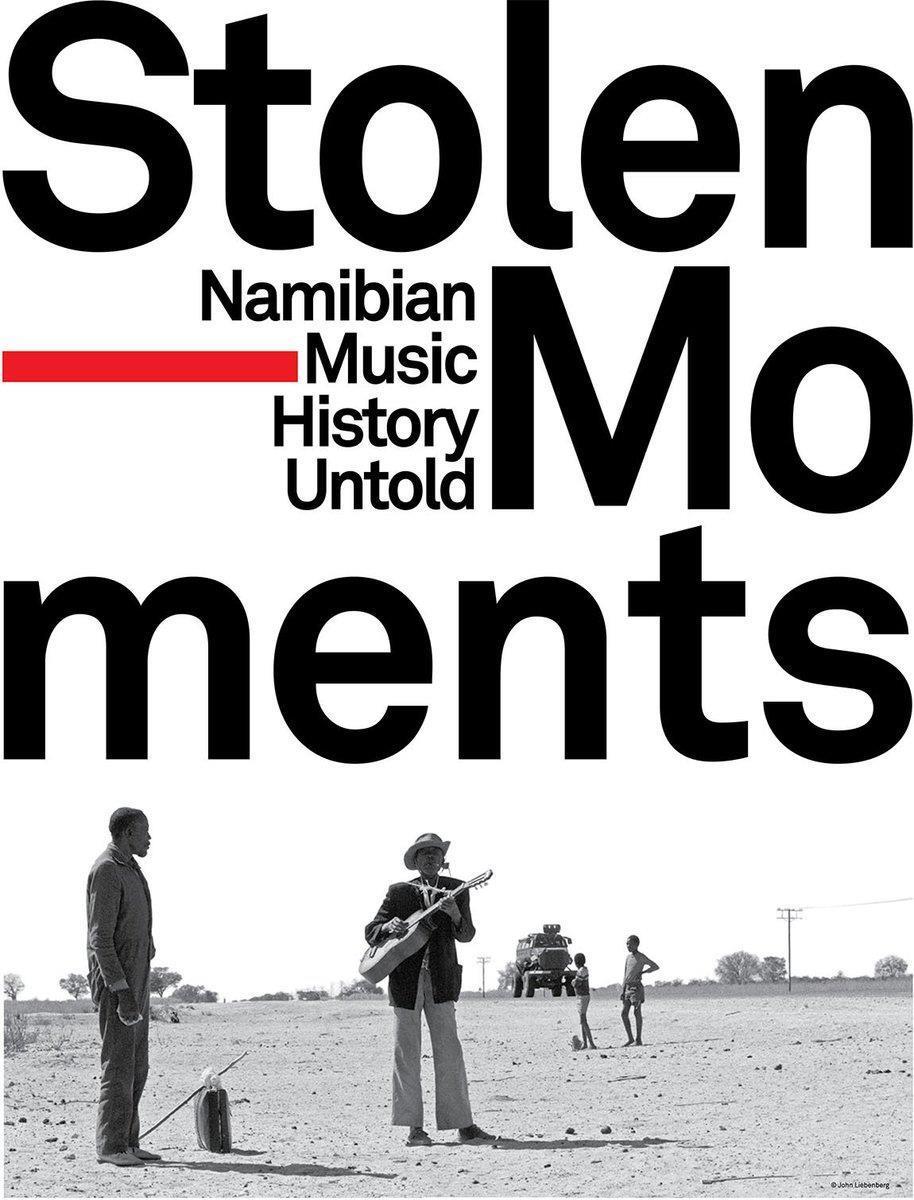
A poster for an exhibition of the Stolen Moments archive in London. SOAS Brunei Gallery
Stolen Moments is the brainchild of a research group composed of academic Aino Moongo, filmmaker Thorsten Schütte and musician Baby Doeseb. Some of the results of the archive gathering process are already being displayed.
During a 2016 exhibition at theIwalewa House of Bayreuth Universitythe curator of the project, Moongo, presentedinsightsinto the work in progress. The exhibition was also shown at theBasler AfrikaBibliographien, atKunstraum Kreuzbergand theBrunei Gallery . Given that 'very few Namibian bands made it onto the airwaves or the regional or international stage,' said Moongo, suchvisibilityis a long overdue recognition of a sub-culture. As Moongoelaborated :
Schütte recallsdiscovering the hidden gems while he was recording a radio promo for a film production at the Namibian Broadcasting Corporation in 2010.
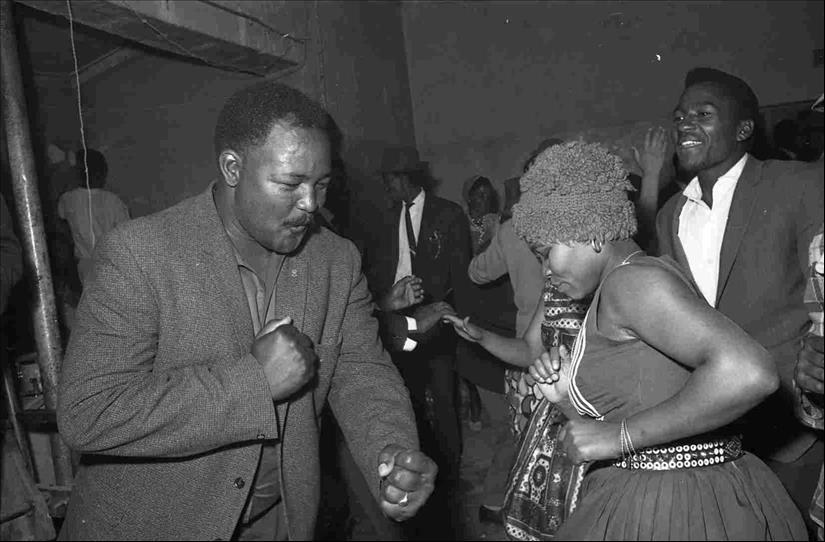
A couple dancing at a live music performance in a club. © Photo courtesy Dieter Hinrichs Township music
Until 1960, the so-calledOld Locationhad been the biggest settlement of black Namibians in what was then South West Africa. In direct proximity to the 'white' parts of the capital, Windhoek, its inhabitants were forcefully resettled to Katutura at the outskirts of town. The Old Location was closed in the mid-1960s. Writing its social history remains workin progress .
It had a vibrant inter-ethnic culture, which the apartheid system aimed to destroy through the deliberate segregation of inhabitants into 'tribes' and the forced separation of 'Coloureds' (mixed-race Namibians) into the new suburb of Khomasdal. Dancing competitions and music performances were an integral part of the weekend life. A young photographer,Dieter Hinrichs , documented these events in 1959 and 1960. He donated his rare photos to the project.
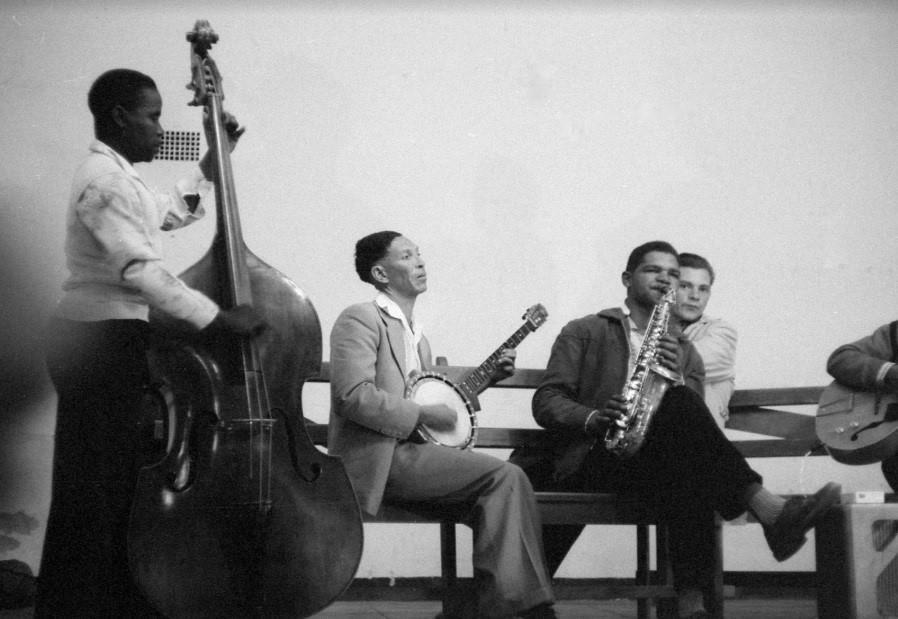
Jazz band in the Old Location. © Photo courtesy Dieter Hinrichs
With the forced resettlement toKatutura(which means 'a place where we do not stay') local forms of music did not fade away. Rather, they re-emerged as a poignant form of counter culture, manifesting resilience and perseverance.
Axali Doëseb, co-founder of the legendary band Ugly Creatures as well as the composer of Namibia'snational anthem ,recalledthat in the 1960s and 1970s:
TheUgly Creatureswas founded in 1971 as a high school band in a Lutheran boarding school in a rural setting. They soon became the most popular and the most political local band. But their live performances at rallies held by the liberation movementSwapolimited their mobility and career.
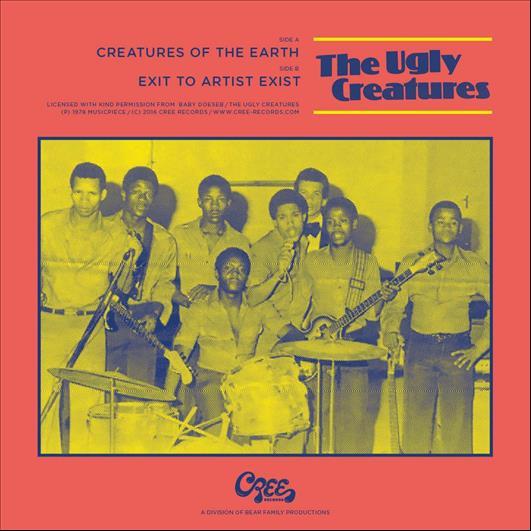
A seven single release of Creatures of the Earth by the seminal band The Ugly Creatures. Cree Records Exile music
Political repression paralysed the advancement of Namibian pop music. Many local talents ended abroad. Among them was the lateWillie Mbuende (1947-2015) , who became anacclaimed bass guitarist in the Nordic countries before returning home in 1989.
Jackson Kaujeua (1953-2010)grew up in the Old Location. Dubbed 'the musical voice of the struggle', he was the icon of the Namibian music scene abroad. He played a key role in the production of a vinyl record released in 1978 with freedom songs byThe Swapo Singers .
Proclaiming a desire for independence, his songThe Winds of Changeentered the British charts, the only Namibian song to do that to date. Returning to Namibia, he became a popular musical voice during the 1990s.
In 2002 Kaujeua was awarded the inaugural Namibian Lifetime Achievement Award. But hediedin poverty of kidney failure, unable to afford treatment. Despite the crucial role he played as a musical ambassador for the liberation struggle, his post-independence life remained anything but that of an acclaimed artist.
Only in death was he recognised by the political leadership, when the country's president, prime minister and leading politicians joined thousands of mourners at hisfuneral . In 2014 the Windhoek municipalitynamed a street after him .
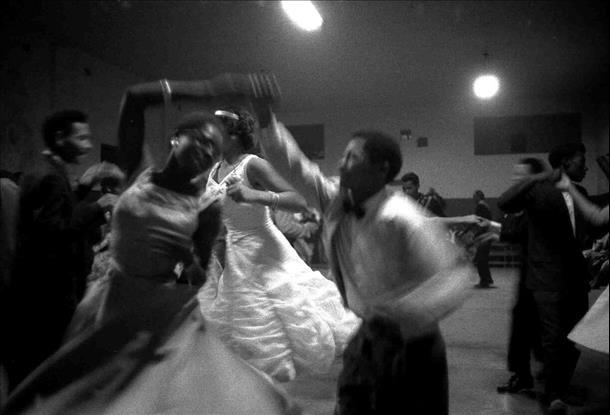
An Old Location dance competition. © Photo courtesy Dieter Hinrichs Keeping the musical fire burning
Sadly, the end of Namibia's occupation also brought an end to the performances of those who had used their music as a weapon of resistance. But they have not all been forgotten. Some have made themselves heard again by touring the country to keep'the musical fire burning' .
Dubbed 'Namibia's live music brand of all time',a new formationof the Ugly Creatures reappeared in 2007 at a Windhoek jazz festival, followed by a concert in 2008. The Namibian Annual Music Awards honoured Axali Doëseb 2014 with alifetime achievement award . Two otherlegendary artistsof the 1970s and 1980s jazz and jive music scene received lifetime awards in 2018.
Finally, some of the most prominent township veteran musicians reconstituted into the Hometown Band. The first public concert was in August 2019. As one of themstated :

Legal Disclaimer:
MENAFN provides the
information “as is” without warranty of any kind. We do not accept
any responsibility or liability for the accuracy, content, images,
videos, licenses, completeness, legality, or reliability of the information
contained in this article. If you have any complaints or copyright
issues related to this article, kindly contact the provider above.
Most popular stories
Market Research

More Story







Comments
No comment