







403
Sorry!!
Error! We're sorry, but the page you were looking for doesn't exist.
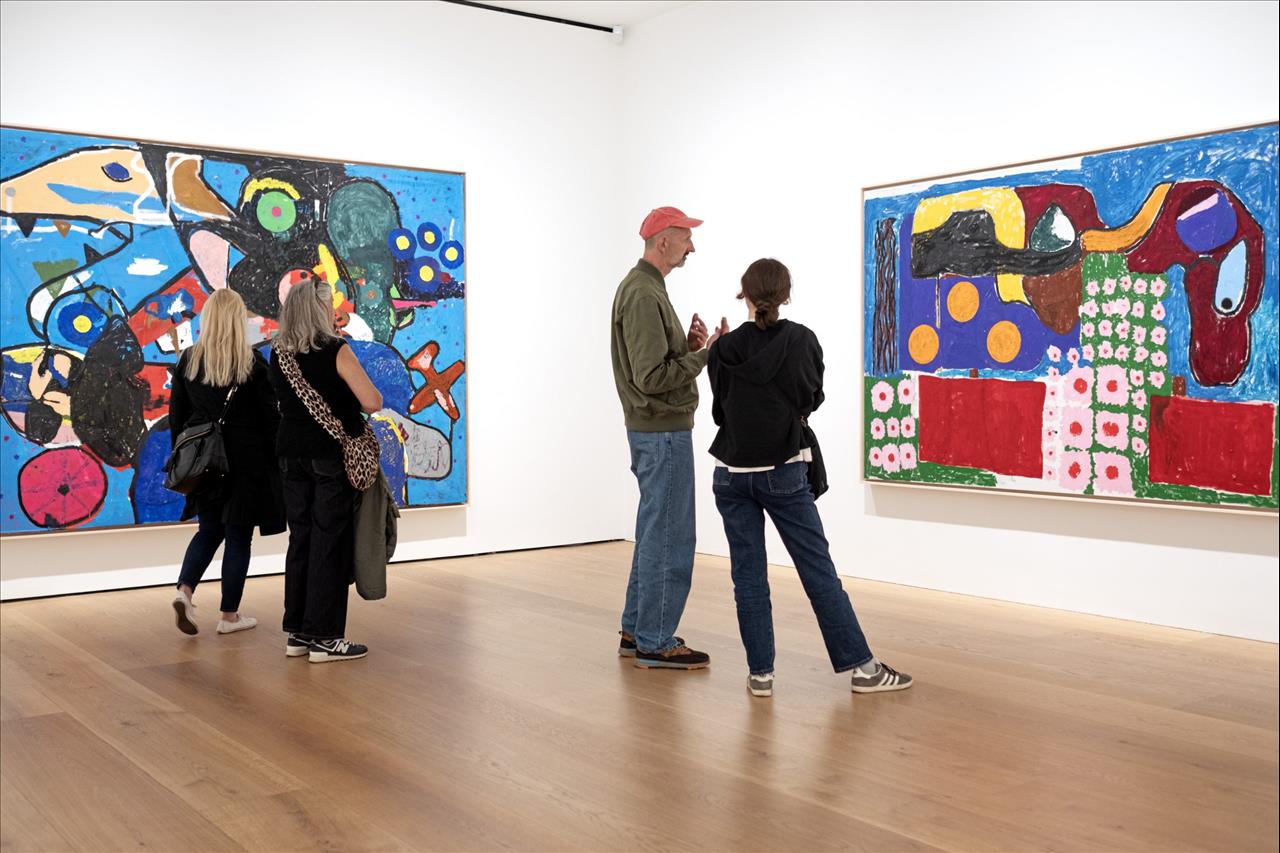
What Makes A Good Gallery Weekend?
(MENAFN- USA Art News)
London Gallery Weekend Opens as London's Art World Reconsiders Its Audience
London Gallery Weekend began its sixth edition on Thursday with more than 120 participating galleries, but the event's most revealing moment came not from a booth or opening, but from a panel discussion at Frieze's No. 9 Cork Street space. There, dealer Thaddaeus Ropac said London needs“some lobbying,” and suggested the weekend should become more international.
The remark lands in a city that remains central to the global art trade and yet has spent years under pressure. The U.K. is still the second-largest art market in the world, but London has been buffeted by Brexit, a cost of living crisis, dwindling arts funding, and a political class preoccupied with its own instability. Paris and Milan, meanwhile, have been steadily strengthening their positions with more favorable tax regimes and a more polished institutional pitch.
That context has made London Gallery Weekend feel, to some observers, slightly out of step with the market calendar. It sits awkwardly between the New York auctions and Art Basel, two of the year's major trade moments, and was launched during a historic downturn that has made any sales-driven rationale harder to sustain. But East London gallerist Kate MacGarry offered a more practical defense: the weekend draws regional curators, and those visits can develop into long-term institutional relationships.
Ropac's argument was that the event should now widen its reach. London, after all, is already one of the world's most international cities, with art firms from Africa, South Asia, and the Middle East deepening their presence there. The more urgent question may be whether the city needs to court the global art trade at all, or whether it should focus on the people already within reach.
That is where the article's sharper point emerges. A gallery weekend is most useful when it helps explain why art matters beyond the industry itself. London's gallery scene remains strong, with newer spaces such as Rose Easton, Ginny on Frederick, Xxijra Hii, and Pale Horse thriving alongside established institutions and art schools. But the ecosystem is fragile, not only because of economic headwinds. The deeper problem is political: the arts remain chronically undervalued by the policymakers who could support them, and an industry that mostly speaks to itself is poorly positioned to change that.
London does not lack galleries, collectors, or cultural weight. What it still needs is a broader public case for why the arts belong at the center of civic life.

Legal Disclaimer:
MENAFN provides the
information “as is” without warranty of any kind. We do not accept
any responsibility or liability for the accuracy, content, images,
videos, licenses, completeness, legality, or reliability of the information
contained in this article. If you have any complaints or copyright
issues related to this article, kindly contact the provider above.
Most popular stories
Market Research

More Story






Comments
No comment