







403
Sorry!!
Error! We're sorry, but the page you were looking for doesn't exist.
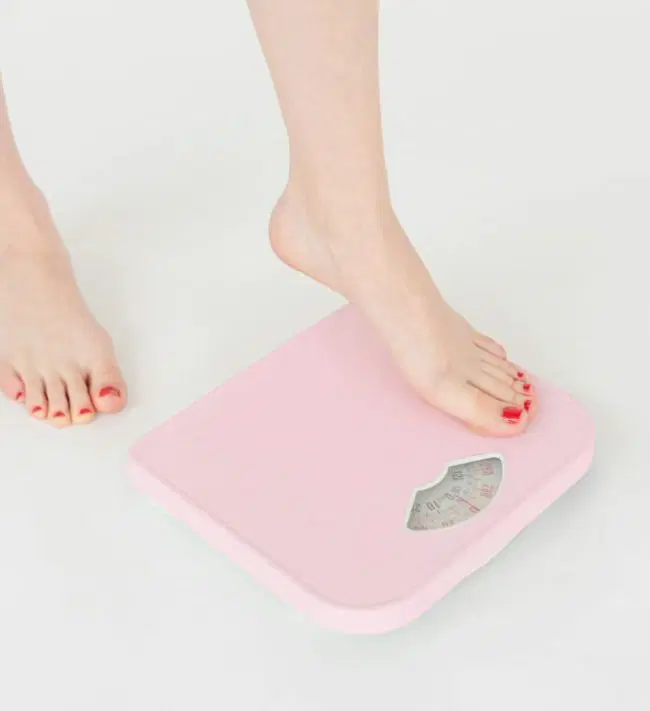
The Hidden Reason Women Gain Weight In Summer Despite Eating Less
(MENAFN- Budget and the Bees)
When summer arrives, many women naturally eat lighter meals, skip heavy comfort foods, and enjoy more fresh fruits and salads. Yet surprisingly, some notice the scale creeping upward despite consuming fewer calories than they do during colder months. This frustrating trend often leads people to assume they are doing something wrong, but the explanation is more complex than simple calorie intake. In many cases, summer weight gain in women is linked to factors like dehydration, disrupted sleep, stress hormones, and water retention rather than overeating. Understanding these hidden influences can help women make smarter choices and avoid unnecessary frustration during the warmest months of the year.
Dehydration Can Trick the Body Into Holding Extra Water
One of the biggest reasons behind summer weight gain in women is dehydration. During hot weather, the body loses more fluids through sweat, especially during outdoor activities, workouts, or even routine daily errands. When fluid levels drop, the body often responds by retaining water as a protective mechanism, which can temporarily increase weight. Research shows that daily weight fluctuations of two to four pounds are common and are often related to changes in hydration levels rather than body fat. Many women mistake this water retention for fat gain when, in reality, their bodies are simply trying to preserve fluid balance.
Summer Sleep Disruptions Affect Weight RegulationLonger daylight hours, warmer nights, and busy social schedules can interfere with sleep quality during summer. Even when eating habits remain relatively healthy, inadequate sleep can affect hormones that regulate hunger, fullness, and metabolism. Studies have found that women who consistently get less sleep are more likely to experience weight gain, even when their food intake does not significantly increase. Sleep deprivation can also elevate cortisol levels, making the body more likely to store fat around the midsection. This means that a few weeks of poor sleep may have a greater impact on weight than many people realize.
Stress Hormones Increase During Busy Summer MonthsMany people associate summer with relaxation, but the season can also bring unexpected stress. Family vacations, childcare responsibilities, travel planning, social commitments, and financial pressures often increase during the summer months. When stress levels rise, the body produces more cortisol, a hormone linked to increased fat storage and changes in metabolism. Elevated cortisol can also encourage cravings for sugary or high-fat foods, even among individuals who are generally eating less overall. Over time, these hormonal shifts may contribute to summer weight gain in women despite otherwise healthy habits.
Heat Can Reduce Appetite Without Improving MetabolismMany women notice they naturally eat less when temperatures soar. While this sounds like a recipe for weight loss, the body does not always respond as expected. Reduced appetite does not automatically translate into significant fat loss because metabolism, activity levels, hydration status, and hormonal responses also play important roles. Some women become less physically active during extreme heat, spending more time indoors and reducing overall calorie expenditure. In these situations, lower food intake may be offset by reduced movement and temporary water retention, making weight loss difficult to see on the scale.
Hormonal Fluctuations Can Amplify Seasonal Weight ChangesFor women in their 30s, 40s, and beyond, hormonal changes can magnify the effects of summer lifestyle shifts. Estrogen fluctuations can influence water retention, appetite, and where the body stores fat. Combined with heat-related dehydration and sleep disruption, these hormonal changes may make summer weight gain in women more noticeable. For example, a woman entering perimenopause may gain several pounds of water weight during a particularly stressful and hot week despite maintaining her usual eating habits. Understanding this connection can help prevent unnecessary dieting or extreme exercise responses.
Why the Scale Doesn't Tell the Whole StorySummer weight gain in women is often misunderstood because the scale reflects more than body fat alone. Hydration levels, hormone fluctuations, sleep quality, and stress can all influence short-term weight changes. Rather than reacting to every fluctuation, focus on healthy habits that support long-term wellness. Consistency with hydration, movement, and recovery is often more effective than aggressive calorie restriction. Understanding what is really happening inside the body can help women approach summer health goals with greater confidence and less frustration.
What changes have you noticed in your body during the summer months, and do you think factors like sleep, stress, or hydration play a bigger role than diet alone? Share your experience in the comments and join the conversation. Your insights could help other readers better understand their own health journey.

Legal Disclaimer:
MENAFN provides the
information “as is” without warranty of any kind. We do not accept
any responsibility or liability for the accuracy, content, images,
videos, licenses, completeness, legality, or reliability of the information
contained in this article. If you have any complaints or copyright
issues related to this article, kindly contact the provider above.
Most popular stories
Market Research

More Story







Comments
No comment