







403
Sorry!!
Error! We're sorry, but the page you were looking for doesn't exist.
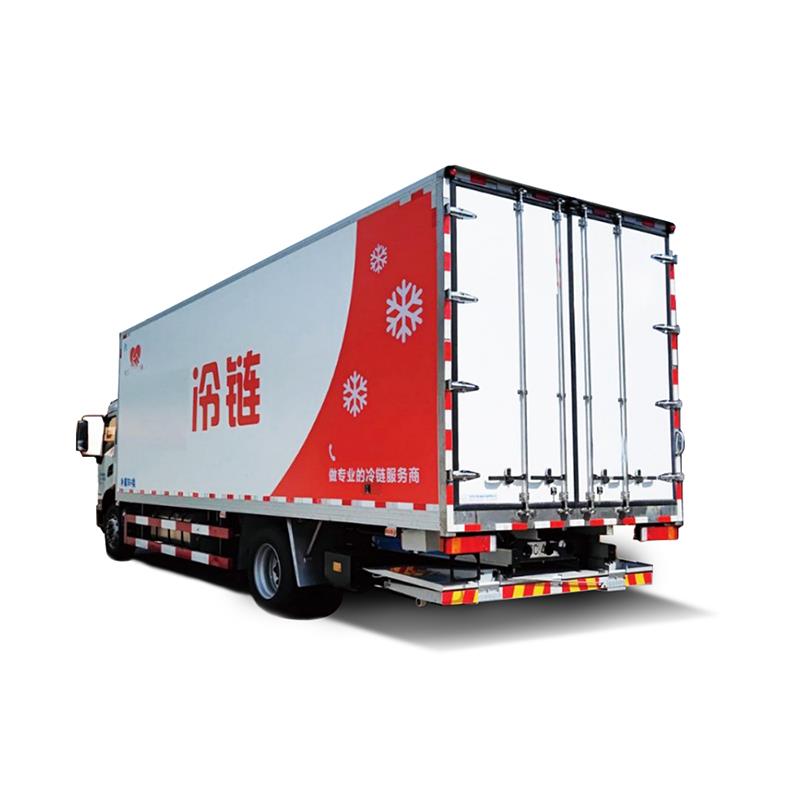
Tail Lift for Cold Chain Logistics: A Complete Industry Solution Guide
(MENAFN- MENAFNEditorial) Tail Lift for Cold Chain Logistics: A Complete Industry Solution Guide
Introduction
Cold chain logistics demands strict temperature control from origin to final delivery. Whether transporting frozen food, pharmaceuticals, or temperature-sensitive chemicals, even minor thermal deviation can compromise product integrity and regulatory compliance.
In this context, the tail lift cold chain configuration has become a critical enabler of efficient and safe loading operations. Modern logistics fleets increasingly rely on specialized lifting systems such as hydraulic tail lift refrigerated truck setups to maintain stability and reduce exposure time during loading and unloading.
This guide provides a structured, EEAT-aligned overview of how tail lift systems support cold chain operations, their technical requirements, compliance considerations, and real-world applications.
1. Cold Chain Logistics Challenges and Loading Risks
Cold chain environments are defined by strict temperature thresholds and time-sensitive handling windows. The most common operational risks include:
Temperature loss during dock transitions
Extended door-open time during manual loading
Cross-contamination risks in mixed cargo environments
Inefficient handling of palletized frozen goods
A well-designed cold chain logistics loading solution must minimize exposure time while ensuring safe cargo handling. This is where integrated lifting systems become essential.
2. Why Tail Lifts Are Critical in Temperature-Controlled Transport
A tail lift insulated truck configuration significantly reduces human handling time at the rear of the vehicle. Instead of manual lifting, cargo is transferred using a controlled hydraulic platform.
Key advantages include:
Reduced thermal exchange during loading cycles
Faster pallet movement from warehouse to vehicle
Improved safety for operators handling frozen cargo
Stable handling of heavy or fragile goods
In particular, cold chain delivery tail lift systems are engineered to maintain operational continuity even in sub-zero environments.
3. Hydraulic Systems and Technical Design Requirements
Most cold chain vehicles rely on hydraulic mechanisms due to their reliability and load stability. A hydraulic liftgate cold storage system typically includes:
Hydraulic cylinders with low-temperature oil tolerance
Reinforced aluminum or steel platforms
Sealed control units for moisture resistance
Anti-slip surface coatings for frozen cargo stability
For powered systems, the hydraulic tail lift power unit refrigerated configuration ensures consistent lifting force even under extreme ambient conditions.
Some fleets also deploy electric tail lift refrigerated vehicle systems for reduced noise and energy efficiency, especially in urban last-mile delivery scenarios.
4. Application Scenarios Across Cold Chain Industries
4.1 Food Distribution Fleets
In large-scale food logistics, a tail lift for food distribution fleet improves throughput and ensures frozen goods remain within safe temperature thresholds throughout the transfer process.
4.2 Pharmaceutical Delivery
Pharma logistics requires strict compliance with GDP standards. A tail lift for pharmaceutical delivery minimizes handling time and reduces contamination risks for temperature-sensitive vaccines and biologics.
4.3 Frozen Food Transport
For deep-frozen cargo, systems such as tail lift for frozen food transport are designed to operate reliably in -20°C or lower environments, ensuring product stability during repeated loading cycles.
4.4 Last-Mile Cold Chain Delivery
Urban distribution relies heavily on compact refrigerated vans equipped with refrigerated van liftgate systems. These enable fast, curbside unloading while maintaining thermal integrity.
5. Material Engineering and Structural Considerations
Cold chain equipment must balance durability with weight efficiency. Many manufacturers use aluminum-based structures such as:
aluminum tail lift cold chain truck platforms for corrosion resistance
Lightweight reinforced frames for higher payload efficiency
Thermal-resistant coatings to reduce frost accumulation
Additionally, system design must account for tail lift capacity cold storage requirements, ensuring safe handling of heavy pallet loads without mechanical fatigue.
6. Safety, Compliance, and Operational Reliability
Safety is a core requirement in cold chain operations. Key considerations include:
Load stabilization for frozen cargo movement
Anti-slip platform design for icy conditions
Emergency stop and fail-safe hydraulic systems
Regular inspection protocols for seals and cylinders
A properly maintained tail lift safety frozen cargo system significantly reduces workplace incidents and product loss.
In regulated sectors, compliance extends to documentation and temperature traceability, especially in pharmaceutical and export logistics.
7. Maintenance Strategy for Cold Chain Tail Lift Systems
Operational reliability depends heavily on preventive maintenance. A structured tail lift maintenance cold chain vehicle program typically includes:
Hydraulic oil inspection for low-temperature viscosity stability
Seal integrity checks to prevent moisture ingress
Platform alignment calibration
Electrical system diagnostics in refrigerated environments
Failure to maintain systems properly can lead to downtime and compromised cold chain integrity.
8. Supplier Selection and Industry Quality Standards
Choosing a reliable manufacturer is essential for long-term performance. A qualified tail lift supplier refrigerated logistics partner should provide:
Verified load testing documentation
Cold temperature performance certification
Material traceability reports
After-sales maintenance support
When evaluating suppliers, logistics operators should prioritize engineering consistency and compliance over purely cost-driven decisions.
9. Compliance and Temperature-Sensitive Cargo Handling
Cold chain regulations vary by region, but all require strict adherence to temperature control principles. A truck tail lift temperature sensitive cargo system helps reduce exposure risks during transitions between warehouse and transport units.
For high-value shipments, especially vaccines and biologics, maintaining continuous thermal integrity is non-negotiable.
10. Integrated Cold Storage Loading Ecosystem
Modern logistics increasingly integrates dock systems, vehicles, and lifting equipment into a unified workflow. This includes:
Dock-level refrigeration synchronization
Automated pallet handling systems
Insulated vehicle compartments
Real-time temperature monitoring
This ecosystem approach ensures that cold chain logistics loading solution frameworks operate with minimal manual intervention and maximum efficiency.
Conclusion
Cold chain logistics requires precision, speed, and thermal stability. Tail lift systems play a foundational role in ensuring these requirements are met across food, pharmaceutical, and industrial supply chains.
From hydraulic tail lift refrigerated truck systems to advanced electric tail lift refrigerated vehicle configurations, modern lifting technology directly enhances operational safety, compliance, and efficiency.
As demand for temperature-sensitive distribution grows, investing in robust systems such as tail lift insulated truck platforms and properly engineered last mile cold chain tail lift solution architectures becomes not just an operational advantage—but a necessity for competitive logistics performance.
For reliable engineering quality and export-ready cold chain solutions, Beauway provides tail lift systems designed for demanding refrigerated logistics applications worldwide.
Introduction
Cold chain logistics demands strict temperature control from origin to final delivery. Whether transporting frozen food, pharmaceuticals, or temperature-sensitive chemicals, even minor thermal deviation can compromise product integrity and regulatory compliance.
In this context, the tail lift cold chain configuration has become a critical enabler of efficient and safe loading operations. Modern logistics fleets increasingly rely on specialized lifting systems such as hydraulic tail lift refrigerated truck setups to maintain stability and reduce exposure time during loading and unloading.
This guide provides a structured, EEAT-aligned overview of how tail lift systems support cold chain operations, their technical requirements, compliance considerations, and real-world applications.
1. Cold Chain Logistics Challenges and Loading Risks
Cold chain environments are defined by strict temperature thresholds and time-sensitive handling windows. The most common operational risks include:
Temperature loss during dock transitions
Extended door-open time during manual loading
Cross-contamination risks in mixed cargo environments
Inefficient handling of palletized frozen goods
A well-designed cold chain logistics loading solution must minimize exposure time while ensuring safe cargo handling. This is where integrated lifting systems become essential.
2. Why Tail Lifts Are Critical in Temperature-Controlled Transport
A tail lift insulated truck configuration significantly reduces human handling time at the rear of the vehicle. Instead of manual lifting, cargo is transferred using a controlled hydraulic platform.
Key advantages include:
Reduced thermal exchange during loading cycles
Faster pallet movement from warehouse to vehicle
Improved safety for operators handling frozen cargo
Stable handling of heavy or fragile goods
In particular, cold chain delivery tail lift systems are engineered to maintain operational continuity even in sub-zero environments.
3. Hydraulic Systems and Technical Design Requirements
Most cold chain vehicles rely on hydraulic mechanisms due to their reliability and load stability. A hydraulic liftgate cold storage system typically includes:
Hydraulic cylinders with low-temperature oil tolerance
Reinforced aluminum or steel platforms
Sealed control units for moisture resistance
Anti-slip surface coatings for frozen cargo stability
For powered systems, the hydraulic tail lift power unit refrigerated configuration ensures consistent lifting force even under extreme ambient conditions.
Some fleets also deploy electric tail lift refrigerated vehicle systems for reduced noise and energy efficiency, especially in urban last-mile delivery scenarios.
4. Application Scenarios Across Cold Chain Industries
4.1 Food Distribution Fleets
In large-scale food logistics, a tail lift for food distribution fleet improves throughput and ensures frozen goods remain within safe temperature thresholds throughout the transfer process.
4.2 Pharmaceutical Delivery
Pharma logistics requires strict compliance with GDP standards. A tail lift for pharmaceutical delivery minimizes handling time and reduces contamination risks for temperature-sensitive vaccines and biologics.
4.3 Frozen Food Transport
For deep-frozen cargo, systems such as tail lift for frozen food transport are designed to operate reliably in -20°C or lower environments, ensuring product stability during repeated loading cycles.
4.4 Last-Mile Cold Chain Delivery
Urban distribution relies heavily on compact refrigerated vans equipped with refrigerated van liftgate systems. These enable fast, curbside unloading while maintaining thermal integrity.
5. Material Engineering and Structural Considerations
Cold chain equipment must balance durability with weight efficiency. Many manufacturers use aluminum-based structures such as:
aluminum tail lift cold chain truck platforms for corrosion resistance
Lightweight reinforced frames for higher payload efficiency
Thermal-resistant coatings to reduce frost accumulation
Additionally, system design must account for tail lift capacity cold storage requirements, ensuring safe handling of heavy pallet loads without mechanical fatigue.
6. Safety, Compliance, and Operational Reliability
Safety is a core requirement in cold chain operations. Key considerations include:
Load stabilization for frozen cargo movement
Anti-slip platform design for icy conditions
Emergency stop and fail-safe hydraulic systems
Regular inspection protocols for seals and cylinders
A properly maintained tail lift safety frozen cargo system significantly reduces workplace incidents and product loss.
In regulated sectors, compliance extends to documentation and temperature traceability, especially in pharmaceutical and export logistics.
7. Maintenance Strategy for Cold Chain Tail Lift Systems
Operational reliability depends heavily on preventive maintenance. A structured tail lift maintenance cold chain vehicle program typically includes:
Hydraulic oil inspection for low-temperature viscosity stability
Seal integrity checks to prevent moisture ingress
Platform alignment calibration
Electrical system diagnostics in refrigerated environments
Failure to maintain systems properly can lead to downtime and compromised cold chain integrity.
8. Supplier Selection and Industry Quality Standards
Choosing a reliable manufacturer is essential for long-term performance. A qualified tail lift supplier refrigerated logistics partner should provide:
Verified load testing documentation
Cold temperature performance certification
Material traceability reports
After-sales maintenance support
When evaluating suppliers, logistics operators should prioritize engineering consistency and compliance over purely cost-driven decisions.
9. Compliance and Temperature-Sensitive Cargo Handling
Cold chain regulations vary by region, but all require strict adherence to temperature control principles. A truck tail lift temperature sensitive cargo system helps reduce exposure risks during transitions between warehouse and transport units.
For high-value shipments, especially vaccines and biologics, maintaining continuous thermal integrity is non-negotiable.
10. Integrated Cold Storage Loading Ecosystem
Modern logistics increasingly integrates dock systems, vehicles, and lifting equipment into a unified workflow. This includes:
Dock-level refrigeration synchronization
Automated pallet handling systems
Insulated vehicle compartments
Real-time temperature monitoring
This ecosystem approach ensures that cold chain logistics loading solution frameworks operate with minimal manual intervention and maximum efficiency.
Conclusion
Cold chain logistics requires precision, speed, and thermal stability. Tail lift systems play a foundational role in ensuring these requirements are met across food, pharmaceutical, and industrial supply chains.
From hydraulic tail lift refrigerated truck systems to advanced electric tail lift refrigerated vehicle configurations, modern lifting technology directly enhances operational safety, compliance, and efficiency.
As demand for temperature-sensitive distribution grows, investing in robust systems such as tail lift insulated truck platforms and properly engineered last mile cold chain tail lift solution architectures becomes not just an operational advantage—but a necessity for competitive logistics performance.
For reliable engineering quality and export-ready cold chain solutions, Beauway provides tail lift systems designed for demanding refrigerated logistics applications worldwide.

Legal Disclaimer:
MENAFN provides the
information “as is” without warranty of any kind. We do not accept
any responsibility or liability for the accuracy, content, images,
videos, licenses, completeness, legality, or reliability of the information
contained in this article. If you have any complaints or copyright
issues related to this article, kindly contact the provider above.
Most popular stories
Market Research

More Story







Comments
No comment