







403
Sorry!!
Error! We're sorry, but the page you were looking for doesn't exist.
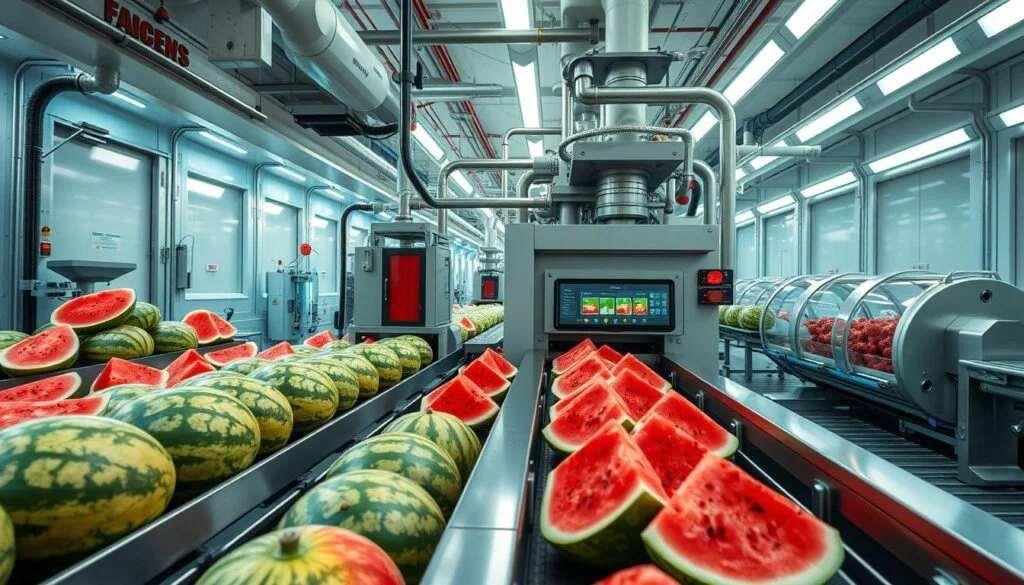
Watermelon Processing Plant Cost: Machinery, Raw Materials & ROI Analysis
(MENAFN- MENAFNEditorial) IMARC Group’s “Watermelon Processing Plant Project Report 2026: Industry Trends, Factory Setup, Machinery Cost, Raw Materials, Investment Opportunities, Cost and Revenue” report provides a comprehensive guide on how to successfully set up a watermelon plant. The report offers clarifications on various aspects, such as unit operations, raw material requirements, utility supply, infrastructural needs, machinery models, labour necessities, transportation timelines, packaging costs, etc.
In addition to the operational aspects, the report also provides in-depth insights into watermelon processing, project economics, encompassing vital aspects such as capital investments, watermelon processing plant cost, project funding, operating expenses, income and expenditure projections, fixed and variable costs, direct and indirect expenses, expected ROI, net present value (NPV), profit and loss account, and thorough financial analysis, among other crucial metrics. With this comprehensive roadmap, entrepreneurs and stakeholders can make informed decisions and venture into a successful watermelon business plan and processing unit.
What is Watermelon?
Watermelon is a large, juicy fruit belonging to the Cucurbitaceae family and is scientifically known as Citrullus lanatus. It is widely cultivated in tropical and subtropical regions for its refreshing taste, high water content, and nutritional benefits. Typically round or oval in shape, watermelon has a thick green rind and sweet red, pink, yellow, or orange flesh containing edible seeds or seedless varieties. The fruit is composed of nearly 90% water, making it highly popular during summer for hydration and cooling purposes. Watermelon is rich in vitamins A and C, antioxidants like lycopene, and essential minerals that support overall health. It is consumed fresh, in fruit salads, juices, smoothies, desserts, and flavored beverages. In addition to household consumption, watermelon is increasingly used in the food processing industry for ready-to-drink juices, frozen products, and natural flavoring applications. Its affordability, nutritional value, and widespread availability make it one of the most consumed fruits globally.
Market Trend and Drivers of Watermelon:
The watermelon market is being driven by rising consumer preference for healthy, hydrating, and natural food products across global markets. Increasing awareness regarding the nutritional benefits of fruits rich in vitamins, antioxidants, and water content is encouraging higher watermelon consumption among health-conscious consumers. Growing demand for fresh fruits, functional beverages, smoothies, and ready-to-eat snacks is further supporting market expansion. The popularity of seedless and premium watermelon varieties has also improved consumer convenience and boosted retail sales. Rapid urbanization, expanding supermarket chains, and improvements in cold storage and transportation infrastructure are enhancing product availability throughout the year. Additionally, the food processing industry is increasingly using watermelon in juices, flavored drinks, desserts, candies, and frozen products, creating new commercial opportunities. Rising temperatures and changing lifestyle habits are also contributing to increased seasonal demand worldwide. In emerging economies, higher disposable incomes and growing focus on balanced diets are strengthening fruit consumption trends.
Request a Sample Report:
How to Setup a Watermelon Processing Plant?
Setting up a watermelon processing plant requires evaluating key factors - from watermelon processing plant setup cost and technology selection to quality assurance and operational efficiency.
Some of the major considerations include:
Detailed Process Flow: The process involves multiple stages, including raw material handling, washing, grading, pulp extraction, processing, packaging, and quality checks. Key aspects include:
Unit Operations Involved
Raw Material and Utility Requirements
Quality Assurance Standards
Technical and Performance Tests
Site Selection: The plant location should provide easy access to fresh watermelons, transportation networks, utilities, and target markets. Proper infrastructure, waste management systems, and compliance with environmental and zoning regulations are essential.
Plant Layout Optimization: The layout should ensure smooth workflow, operational safety, efficient material handling, and dedicated areas for raw material storage, processing, quality control, and finished products. Future expansion space should also be considered.
Equipment Selection: High-quality food-grade machinery suitable for watermelon processing should be selected. Understanding watermelon processing plant machinery cost is important at this stage. Common equipment includes washing systems, cutters, pulpers, juice extractors, filtration units, pasteurizers, storage tanks, and packaging machines.
Raw Material Sourcing: Reliable sourcing of fresh watermelons and packaging materials is crucial for maintaining product quality and uninterrupted production. Supplier proximity can help reduce transportation costs and improve supply chain efficiency.
Safety and Environmental Compliance: Proper hygiene standards, waste disposal systems, wastewater treatment, and food safety measures must be implemented to meet regulatory requirements and minimize environmental impact.
Quality Assurance Systems: A robust quality management system should be established to maintain consistent product quality, safety, and regulatory compliance. Regular inspections, testing procedures, SOPs, traceability systems, and corrective action mechanisms should be integrated to support operational excellence.
Requirements to Setup a Watermelon Plant:
· Funds
· Machinery
· Lands
Types of Costs to Setup a Watermelon Factory:
● Land, Location and Site Development Cost
● Plant Layout Cost
● Watermelon Plant Machinery Cost
● Raw Material Requirements and Costs
● Packaging Requirements and Costs
● Transportation Requirements and Costs
● Utility Requirements and Costs
● Human Resource Requirements and Costs
Project Economics:
● Capital Investments
● Operating Costs
● Expenditure Projections
● Revenue Projections
● Taxation and Depreciation
● Profit Projections
● Financial Analysis
Ask Analyst for Customized Report:
In addition to the operational aspects, the report also provides in-depth insights into watermelon processing, project economics, encompassing vital aspects such as capital investments, watermelon processing plant cost, project funding, operating expenses, income and expenditure projections, fixed and variable costs, direct and indirect expenses, expected ROI, net present value (NPV), profit and loss account, and thorough financial analysis, among other crucial metrics. With this comprehensive roadmap, entrepreneurs and stakeholders can make informed decisions and venture into a successful watermelon business plan and processing unit.
What is Watermelon?
Watermelon is a large, juicy fruit belonging to the Cucurbitaceae family and is scientifically known as Citrullus lanatus. It is widely cultivated in tropical and subtropical regions for its refreshing taste, high water content, and nutritional benefits. Typically round or oval in shape, watermelon has a thick green rind and sweet red, pink, yellow, or orange flesh containing edible seeds or seedless varieties. The fruit is composed of nearly 90% water, making it highly popular during summer for hydration and cooling purposes. Watermelon is rich in vitamins A and C, antioxidants like lycopene, and essential minerals that support overall health. It is consumed fresh, in fruit salads, juices, smoothies, desserts, and flavored beverages. In addition to household consumption, watermelon is increasingly used in the food processing industry for ready-to-drink juices, frozen products, and natural flavoring applications. Its affordability, nutritional value, and widespread availability make it one of the most consumed fruits globally.
Market Trend and Drivers of Watermelon:
The watermelon market is being driven by rising consumer preference for healthy, hydrating, and natural food products across global markets. Increasing awareness regarding the nutritional benefits of fruits rich in vitamins, antioxidants, and water content is encouraging higher watermelon consumption among health-conscious consumers. Growing demand for fresh fruits, functional beverages, smoothies, and ready-to-eat snacks is further supporting market expansion. The popularity of seedless and premium watermelon varieties has also improved consumer convenience and boosted retail sales. Rapid urbanization, expanding supermarket chains, and improvements in cold storage and transportation infrastructure are enhancing product availability throughout the year. Additionally, the food processing industry is increasingly using watermelon in juices, flavored drinks, desserts, candies, and frozen products, creating new commercial opportunities. Rising temperatures and changing lifestyle habits are also contributing to increased seasonal demand worldwide. In emerging economies, higher disposable incomes and growing focus on balanced diets are strengthening fruit consumption trends.
Request a Sample Report:
How to Setup a Watermelon Processing Plant?
Setting up a watermelon processing plant requires evaluating key factors - from watermelon processing plant setup cost and technology selection to quality assurance and operational efficiency.
Some of the major considerations include:
Detailed Process Flow: The process involves multiple stages, including raw material handling, washing, grading, pulp extraction, processing, packaging, and quality checks. Key aspects include:
Unit Operations Involved
Raw Material and Utility Requirements
Quality Assurance Standards
Technical and Performance Tests
Site Selection: The plant location should provide easy access to fresh watermelons, transportation networks, utilities, and target markets. Proper infrastructure, waste management systems, and compliance with environmental and zoning regulations are essential.
Plant Layout Optimization: The layout should ensure smooth workflow, operational safety, efficient material handling, and dedicated areas for raw material storage, processing, quality control, and finished products. Future expansion space should also be considered.
Equipment Selection: High-quality food-grade machinery suitable for watermelon processing should be selected. Understanding watermelon processing plant machinery cost is important at this stage. Common equipment includes washing systems, cutters, pulpers, juice extractors, filtration units, pasteurizers, storage tanks, and packaging machines.
Raw Material Sourcing: Reliable sourcing of fresh watermelons and packaging materials is crucial for maintaining product quality and uninterrupted production. Supplier proximity can help reduce transportation costs and improve supply chain efficiency.
Safety and Environmental Compliance: Proper hygiene standards, waste disposal systems, wastewater treatment, and food safety measures must be implemented to meet regulatory requirements and minimize environmental impact.
Quality Assurance Systems: A robust quality management system should be established to maintain consistent product quality, safety, and regulatory compliance. Regular inspections, testing procedures, SOPs, traceability systems, and corrective action mechanisms should be integrated to support operational excellence.
Requirements to Setup a Watermelon Plant:
· Funds
· Machinery
· Lands
Types of Costs to Setup a Watermelon Factory:
● Land, Location and Site Development Cost
● Plant Layout Cost
● Watermelon Plant Machinery Cost
● Raw Material Requirements and Costs
● Packaging Requirements and Costs
● Transportation Requirements and Costs
● Utility Requirements and Costs
● Human Resource Requirements and Costs
Project Economics:
● Capital Investments
● Operating Costs
● Expenditure Projections
● Revenue Projections
● Taxation and Depreciation
● Profit Projections
● Financial Analysis
Ask Analyst for Customized Report:

Legal Disclaimer:
MENAFN provides the
information “as is” without warranty of any kind. We do not accept
any responsibility or liability for the accuracy, content, images,
videos, licenses, completeness, legality, or reliability of the information
contained in this article. If you have any complaints or copyright
issues related to this article, kindly contact the provider above.
Most popular stories
Market Research

More Story







Comments
No comment