







403
Sorry!!
Error! We're sorry, but the page you were looking for doesn't exist.
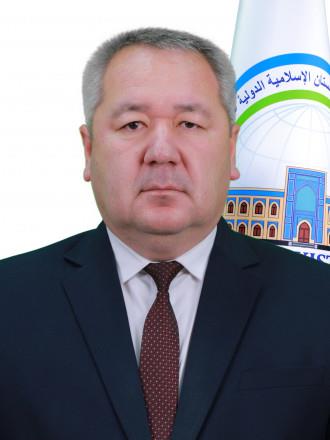
Shavkat Mirziyoyev’s Reform Strategy and the Evolution of New Uzbekistan
(MENAFN- MENAFNEditorial) Over the past decade, Uzbekistan has emerged as one of the most closely observed reforming states in Central Asia. Under the leadership of President Shavkat Mirziyoyev, the country has embarked on a comprehensive modernization agenda that has transformed governance, economic policy, social development, and international engagement. What began with institutional reforms after 2016 has evolved into a long-term national development project often described as the “New Uzbekistan.”
The transformation is not limited to economic indicators or administrative changes. It also reflects a broader effort to redefine the relationship between the state and society, strengthen public accountability, improve living standards, and promote Uzbekistan’s historical and cultural heritage on the global stage.
From Action Strategy to Uzbekistan–2030
The first major stage of reforms was launched through the national Action Strategy for 2017–2021, which focused on five priority areas: state and public administration, judicial reform, economic development, social modernization, and foreign policy. The strategy marked a departure from traditional governance approaches by placing citizens’ interests at the center of public policy.
This process continued with the Development Strategy of New Uzbekistan for 2022–2026, built around the principles of human dignity, social protection, and citizen participation. The strategy emphasized local governance, public accountability, and community-based development mechanisms.
Today, the reform agenda is guided by the Uzbekistan–2030 Strategy, which seeks to establish a competitive economy, strengthen the rule of law, expand human capital, and improve public welfare. The continuity of these strategic documents demonstrates that Uzbekistan’s modernization is not a collection of isolated initiatives but a long-term state-building project.
A New Model of State–Society Relations
One of the most significant changes has been the introduction of mechanisms designed to bring government closer to citizens. The establishment of public reception offices and digital communication platforms created new channels through which citizens can directly address their concerns to state institutions.
The principle that “state bodies should serve the people” has become one of the defining concepts of the reform era. This approach has contributed to a shift in public administration culture by encouraging greater responsiveness and accountability.
Frequent regional visits by the president, direct engagement with local communities, and efforts to address social issues at the grassroots level have reinforced the image of a government that seeks to remain connected with citizens’ everyday concerns.
Economic Liberalization and Growth
Economic reform has been another cornerstone of Uzbekistan’s transformation. Currency liberalization, improvements in the investment climate, expansion of private-sector opportunities, and trade facilitation measures have significantly reshaped the national economy.
According to international financial institutions, Uzbekistan has maintained stable economic growth while pursuing market-oriented reforms. Increased foreign investment, export growth, and economic diversification have strengthened the country’s position as one of the most dynamic economies in Central Asia.
These developments have practical significance for ordinary citizens. Employment opportunities, infrastructure projects, entrepreneurship programs, and improved business conditions have become important indicators through which society evaluates the success of reforms.
Nevertheless, policymakers continue to face challenges related to inflation, regional disparities, and ensuring that economic growth benefits all segments of the population equally.
Social Protection and Poverty Reduction
A distinguishing feature of the New Uzbekistan agenda is its strong emphasis on social policy. Programs aimed at reducing poverty, supporting vulnerable groups, and expanding employment opportunities have become central components of government policy.
Targeted social support mechanisms, including specialized registries for low-income families, women, and youth, have enabled authorities to provide assistance more effectively. At the same time, efforts to improve healthcare, housing, and public services have sought to translate macroeconomic achievements into tangible improvements in daily life.
The emphasis on social protection reflects a broader understanding that sustainable development requires not only economic growth but also social inclusion and equal opportunity.
Investing in Human Capital
Education occupies a central place in Uzbekistan’s modernization strategy. Over recent years, access to higher education has expanded significantly, while reforms have sought to improve academic quality, international cooperation, and innovation capacity.
The establishment of new universities, partnerships with foreign educational institutions, and investments in research and professional training are intended to prepare a generation capable of competing in a rapidly changing global economy.
Human capital development is increasingly viewed as one of the country’s most valuable strategic resources. As a result, education policy has become closely linked to broader economic and social objectives.
Cultural Heritage and National Identity
The reform process has also included an important cultural and humanitarian dimension. Uzbekistan has invested substantial resources in preserving and promoting its historical legacy, particularly its contribution to Islamic civilization and world scholarship.
Projects such as the Center of Islamic Civilization in Uzbekistan and the reconstruction of the Imam Bukhari Memorial Complex symbolize efforts to connect modern development with the country’s rich intellectual and spiritual heritage.
These initiatives serve multiple purposes. Domestically, they strengthen national identity and historical awareness. Internationally, they help position Uzbekistan as a center of intercultural dialogue, religious tolerance, and scholarly tradition.
Such projects contribute to what political scientist Joseph Nye described as “soft power” — the ability of a nation to increase its attractiveness through culture, values, and ideas rather than coercion.
International Recognition and Regional Cooperation
Uzbekistan’s reforms have also had a significant impact on the country’s international standing. Improvements in labor rights, economic openness, and regional diplomacy have attracted positive attention from international organizations and foreign partners.
Particularly noteworthy has been the recognition of progress in eliminating systemic child labor and forced labor in the cotton sector. This development enhanced the country’s reputation and opened new opportunities for international economic cooperation.
At the regional level, Uzbekistan has pursued a policy of constructive engagement with neighboring states, promoting cooperation in trade, transportation, energy, and security. This approach has contributed to a more stable and collaborative environment in Central Asia.
Challenges Ahead
Despite considerable achievements, the long-term success of reforms will depend on several factors. Effective implementation at the local level, continued efforts to combat corruption, judicial independence, and institutional accountability remain critical challenges.
Economic growth must continue to be accompanied by improvements in social equality and public services. Likewise, sustaining public trust requires transparency, open communication, and measurable policy outcomes.
The durability of the reform process will ultimately depend not only on strategic vision but also on the capacity of institutions to deliver results consistently across all regions of the country.
Conclusion
The evolution of New Uzbekistan represents one of the most ambitious transformation projects in contemporary Central Asia. Through successive development strategies, the country has sought to modernize governance, liberalize the economy, strengthen social protection, expand educational opportunities, and promote cultural heritage.
The reform agenda demonstrates an effort to move from a centralized administrative model toward a governance system based on accountability, dialogue, and results. While significant challenges remain, the reforms have already reshaped many aspects of public life and altered perceptions of Uzbekistan both domestically and internationally.
As the country advances toward its 2030 development goals, the success of these reforms will be measured not only by economic statistics but also by their ability to improve citizens’ quality of life, strengthen institutions, and secure sustainable national development.
The transformation is not limited to economic indicators or administrative changes. It also reflects a broader effort to redefine the relationship between the state and society, strengthen public accountability, improve living standards, and promote Uzbekistan’s historical and cultural heritage on the global stage.
From Action Strategy to Uzbekistan–2030
The first major stage of reforms was launched through the national Action Strategy for 2017–2021, which focused on five priority areas: state and public administration, judicial reform, economic development, social modernization, and foreign policy. The strategy marked a departure from traditional governance approaches by placing citizens’ interests at the center of public policy.
This process continued with the Development Strategy of New Uzbekistan for 2022–2026, built around the principles of human dignity, social protection, and citizen participation. The strategy emphasized local governance, public accountability, and community-based development mechanisms.
Today, the reform agenda is guided by the Uzbekistan–2030 Strategy, which seeks to establish a competitive economy, strengthen the rule of law, expand human capital, and improve public welfare. The continuity of these strategic documents demonstrates that Uzbekistan’s modernization is not a collection of isolated initiatives but a long-term state-building project.
A New Model of State–Society Relations
One of the most significant changes has been the introduction of mechanisms designed to bring government closer to citizens. The establishment of public reception offices and digital communication platforms created new channels through which citizens can directly address their concerns to state institutions.
The principle that “state bodies should serve the people” has become one of the defining concepts of the reform era. This approach has contributed to a shift in public administration culture by encouraging greater responsiveness and accountability.
Frequent regional visits by the president, direct engagement with local communities, and efforts to address social issues at the grassroots level have reinforced the image of a government that seeks to remain connected with citizens’ everyday concerns.
Economic Liberalization and Growth
Economic reform has been another cornerstone of Uzbekistan’s transformation. Currency liberalization, improvements in the investment climate, expansion of private-sector opportunities, and trade facilitation measures have significantly reshaped the national economy.
According to international financial institutions, Uzbekistan has maintained stable economic growth while pursuing market-oriented reforms. Increased foreign investment, export growth, and economic diversification have strengthened the country’s position as one of the most dynamic economies in Central Asia.
These developments have practical significance for ordinary citizens. Employment opportunities, infrastructure projects, entrepreneurship programs, and improved business conditions have become important indicators through which society evaluates the success of reforms.
Nevertheless, policymakers continue to face challenges related to inflation, regional disparities, and ensuring that economic growth benefits all segments of the population equally.
Social Protection and Poverty Reduction
A distinguishing feature of the New Uzbekistan agenda is its strong emphasis on social policy. Programs aimed at reducing poverty, supporting vulnerable groups, and expanding employment opportunities have become central components of government policy.
Targeted social support mechanisms, including specialized registries for low-income families, women, and youth, have enabled authorities to provide assistance more effectively. At the same time, efforts to improve healthcare, housing, and public services have sought to translate macroeconomic achievements into tangible improvements in daily life.
The emphasis on social protection reflects a broader understanding that sustainable development requires not only economic growth but also social inclusion and equal opportunity.
Investing in Human Capital
Education occupies a central place in Uzbekistan’s modernization strategy. Over recent years, access to higher education has expanded significantly, while reforms have sought to improve academic quality, international cooperation, and innovation capacity.
The establishment of new universities, partnerships with foreign educational institutions, and investments in research and professional training are intended to prepare a generation capable of competing in a rapidly changing global economy.
Human capital development is increasingly viewed as one of the country’s most valuable strategic resources. As a result, education policy has become closely linked to broader economic and social objectives.
Cultural Heritage and National Identity
The reform process has also included an important cultural and humanitarian dimension. Uzbekistan has invested substantial resources in preserving and promoting its historical legacy, particularly its contribution to Islamic civilization and world scholarship.
Projects such as the Center of Islamic Civilization in Uzbekistan and the reconstruction of the Imam Bukhari Memorial Complex symbolize efforts to connect modern development with the country’s rich intellectual and spiritual heritage.
These initiatives serve multiple purposes. Domestically, they strengthen national identity and historical awareness. Internationally, they help position Uzbekistan as a center of intercultural dialogue, religious tolerance, and scholarly tradition.
Such projects contribute to what political scientist Joseph Nye described as “soft power” — the ability of a nation to increase its attractiveness through culture, values, and ideas rather than coercion.
International Recognition and Regional Cooperation
Uzbekistan’s reforms have also had a significant impact on the country’s international standing. Improvements in labor rights, economic openness, and regional diplomacy have attracted positive attention from international organizations and foreign partners.
Particularly noteworthy has been the recognition of progress in eliminating systemic child labor and forced labor in the cotton sector. This development enhanced the country’s reputation and opened new opportunities for international economic cooperation.
At the regional level, Uzbekistan has pursued a policy of constructive engagement with neighboring states, promoting cooperation in trade, transportation, energy, and security. This approach has contributed to a more stable and collaborative environment in Central Asia.
Challenges Ahead
Despite considerable achievements, the long-term success of reforms will depend on several factors. Effective implementation at the local level, continued efforts to combat corruption, judicial independence, and institutional accountability remain critical challenges.
Economic growth must continue to be accompanied by improvements in social equality and public services. Likewise, sustaining public trust requires transparency, open communication, and measurable policy outcomes.
The durability of the reform process will ultimately depend not only on strategic vision but also on the capacity of institutions to deliver results consistently across all regions of the country.
Conclusion
The evolution of New Uzbekistan represents one of the most ambitious transformation projects in contemporary Central Asia. Through successive development strategies, the country has sought to modernize governance, liberalize the economy, strengthen social protection, expand educational opportunities, and promote cultural heritage.
The reform agenda demonstrates an effort to move from a centralized administrative model toward a governance system based on accountability, dialogue, and results. While significant challenges remain, the reforms have already reshaped many aspects of public life and altered perceptions of Uzbekistan both domestically and internationally.
As the country advances toward its 2030 development goals, the success of these reforms will be measured not only by economic statistics but also by their ability to improve citizens’ quality of life, strengthen institutions, and secure sustainable national development.

Legal Disclaimer:
MENAFN provides the
information “as is” without warranty of any kind. We do not accept
any responsibility or liability for the accuracy, content, images,
videos, licenses, completeness, legality, or reliability of the information
contained in this article. If you have any complaints or copyright
issues related to this article, kindly contact the provider above.
Most popular stories
Market Research

More Story




Comments
No comment