







403
Sorry!!
Error! We're sorry, but the page you were looking for doesn't exist.
US Confirms 2Nd New World Screwworm Case In Texas
(MENAFN- IANS) Washington, June 6 (IANS) The US Department of Agriculture (USDA) has confirmed a second detection of the New World Screwworm (NWS) in Texas, marking another case in the same county where the first US detection in decades was reported earlier this week.
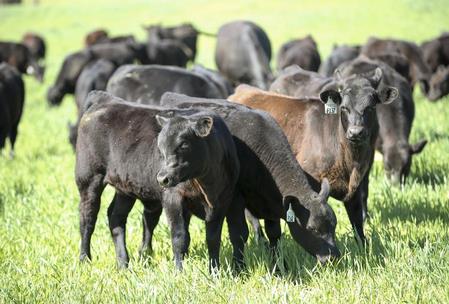
According to the USDA, the latest case was identified in a one-month-old calf in Zavala County, approximately 9 km from the first confirmed case reported on Wednesday, which involved a three-week-old calf.
NWS is a serious parasitic pest that affects livestock, pets, wildlife and in rare cases, humans. Its larvae infest living tissue by burrowing into wounds and feeding on flesh, causing severe damage to infected animals.
The USDA said it is working closely with Texas authorities to respond to the detections. An emergency response team from the US Animal and Plant Health Inspection Service has been deployed to the site, with mobile response units on the ground and sterile screwworm fly releases underway, totalling about 6 million flies per week through aerial and ground operations.
Movement control zones have been established, and surveillance has intensified. Treatment supplies are being provided through the Texas Animal Health Commission, the USDA said.
US Secretary of Agriculture Brooke Rollins said on Thursday that federal and state authorities are fully implementing an emergency response plan to prevent the pest from spreading within the country.
Authorities are also expanding the targeted release of sterile NWS flies, increasing trapping for NWS flies along the border, and enhancing wildlife monitoring. Rollins said approximately 8 million sterile flies are being released weekly through both aerial and ground-based operations.
Although eradicated from the United States decades ago, the pest remains present in parts of South America, where infections in animals and humans continue to occur. In recent years, however, the pest has spread northward through Central America and Mexico, according to the USDA.

Legal Disclaimer:
MENAFN provides the
information “as is” without warranty of any kind. We do not accept
any responsibility or liability for the accuracy, content, images,
videos, licenses, completeness, legality, or reliability of the information
contained in this article. If you have any complaints or copyright
issues related to this article, kindly contact the provider above.
Most popular stories
Market Research

More Story








Comments
No comment