







403
Sorry!!
Error! We're sorry, but the page you were looking for doesn't exist.
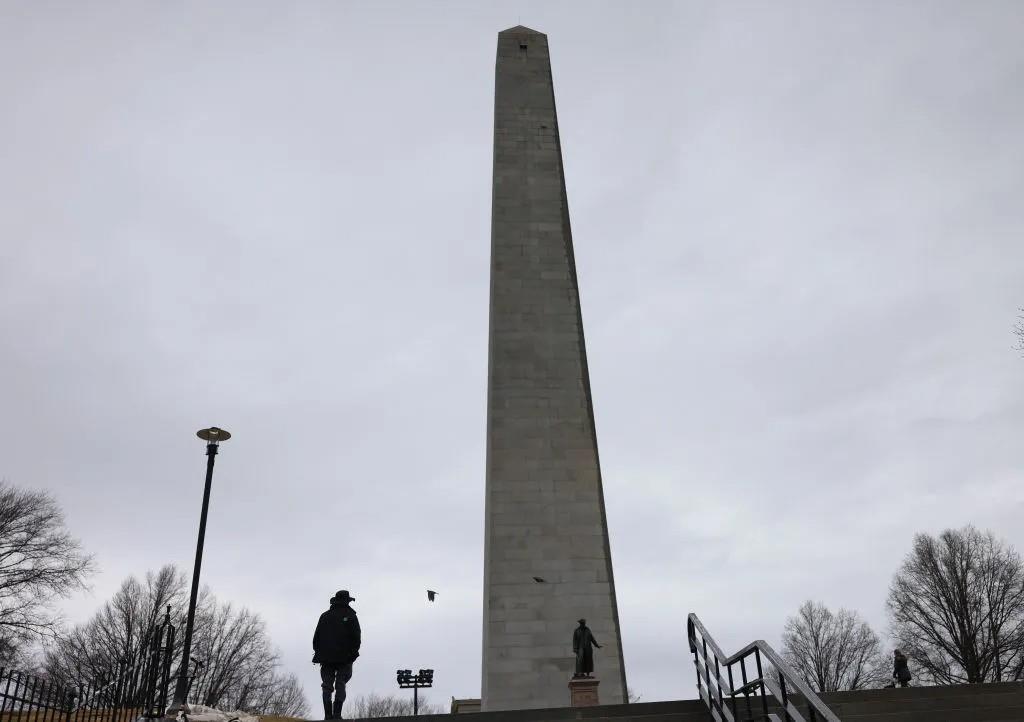
National Park Service Orders Removal Of Quotes At Bunker Hill
(MENAFN- USA Art News)
Bunker Hill Monument Quote Review Reflects Trump-Era Pressure on Historic Sites
A complaint over a panel at the Bunker Hill Monument in Massachusetts has led the National Park Service to order the removal of three quotations from the site's interpretive displays, even though the quote that prompted the objection will remain in place. The disputed panel was said to express“woke” feminist ideology because it referenced women's suffrage.
The monument's displays are designed to frame the site and the Battle of Bunker Hill, the first major skirmish of the Revolutionary War. After the complaint, the National Park Service reviewed the materials and ordered three other quotes removed. One came from a 1971 editorial by Vietnam War veterans Arthur Johnson and Bestor Cram, written after a three-day anti-war march that ended at the monument. The editorial argued that Americans should“cease to build memorials to death and begin to glorify life.”
The other two quotations were drawn from an 1846 letter to the abolitionist newspaper the Liberator and an 1875 Boston newspaper. The Liberator letter described the monument as a“silent, bitter mockery” of slavery, while the newspaper quote defended foreign-born citizens as equal in their“love of freedom and loyalty to the republic.”
Interior Department spokesperson Katie Martin called the removal order a“routine exhibit refresh.” In a statement to the Washington Post, she said,“Through President Trump, we have encouraged Americans to visit our cultural and historic sites and engage in meaningful conversations about the moments that have shaped our country.”
The decision fits into a wider campaign by President Donald Trump to reshape how federal institutions present American history. Since returning to office last year, he has focused on what his administration calls“anti-American ideology” at museums, especially the Smithsonian Institution. He also issued an executive order titled“Restoring Truth and Sanity to American History” and directed reviews of Smithsonian materials.
The National Park Service has already faced scrutiny over its handling of historical interpretation. Last year, the Washington Post reported that the agency edited dozens of web pages to soften or remove references to slavery, racial division, civil rights, the Jim Crow era, and other difficult chapters of the national story.
At Bunker Hill, the latest review raises a familiar question for public institutions: whether historical interpretation should preserve the friction of the record, or smooth it into something more politically acceptable.

Legal Disclaimer:
MENAFN provides the
information “as is” without warranty of any kind. We do not accept
any responsibility or liability for the accuracy, content, images,
videos, licenses, completeness, legality, or reliability of the information
contained in this article. If you have any complaints or copyright
issues related to this article, kindly contact the provider above.
Most popular stories
Market Research

More Story








Comments
No comment