







403
Sorry!!
Error! We're sorry, but the page you were looking for doesn't exist.
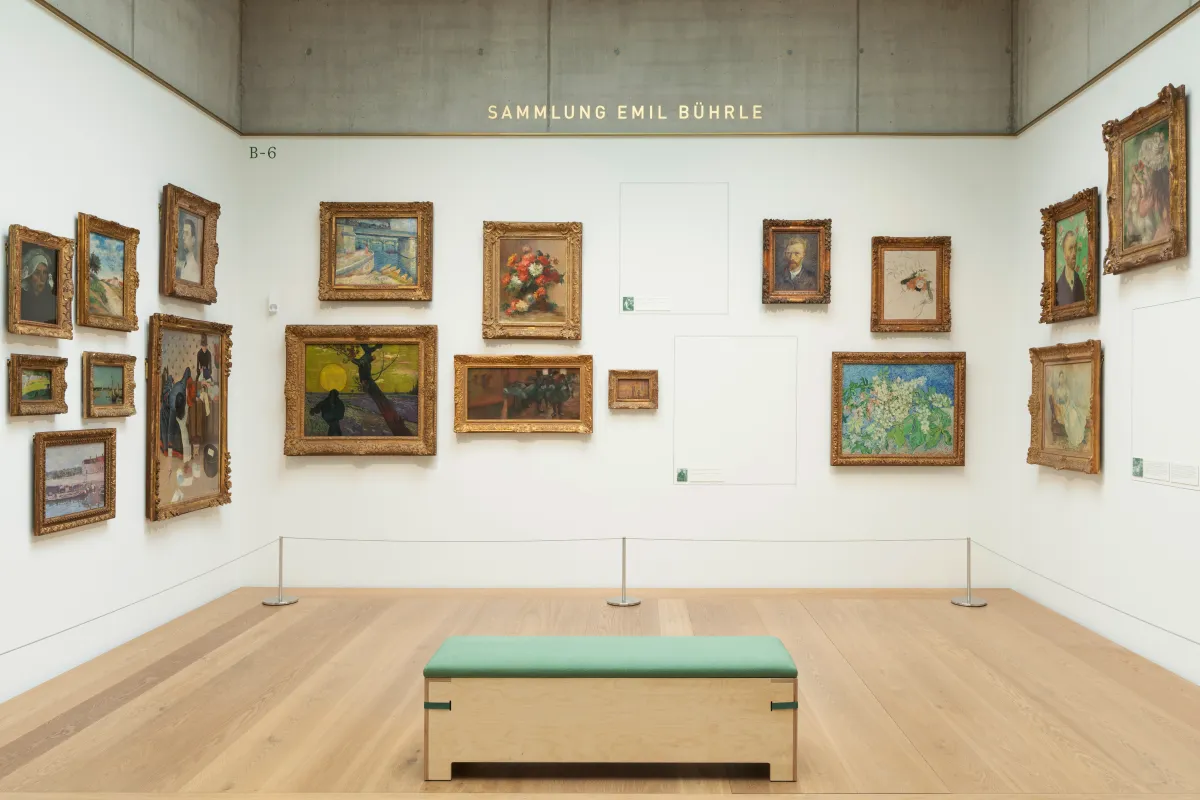
Bührle's Troubled Art Collection Is Squashed Together In New Zurich Show
(MENAFN- Swissinfo)
Swiss industrialist Emil G. Bührle's art collection, on loan to Zurich's Museum of Fine Arts, has been the cause of one uproar after another. As Switzerland's biggest art museum takes on responsibility for researching the ownership history of these paintings, many of which once belonged to Jewish collectors persecuted by the Nazis, it has also opened a new exhibition – the third since the museum first put the artworks on display in 2021.
This content was published on
June 5, 2026 - 09:00
10 minutes
Catherine Hickley
-
Русский
ru
Коллекция Бюрле возвращается в Кунстхаус Цюриха
Read more: Коллекция Бюрле возвращается в Кунстхаус Ц
In a transparent white gown that leaves little to the imagination, Édouard Manet's La Sultane, painted around 1871, is displayed at Zurich's Museum of Fine Arts (Kunsthaus) on a crowded wall, squeezed between other, equally valuable paintings.
There are no labels informing visitors of the name of the artist, title and date of these paintings, let alone any ownership history in this exhibition, which opened in April. A console in the first gallery is more informative: there visitors can swipe the screen a few times to discover that La Sultane was once owned by the German Jewish industrialist Max Silberberg, who was deported in 1942 and is presumed to have been murdered at Auschwitz.
Silberberg sold the painting in 1937 to the dealer Paul Rosenberg, from whom Emil Bührle purchased it in 1953. The richest man in Switzerland at the time, Bührle built his fortune by selling the anti-aircraft cannons his factories produced to Nazi Germany. He amassed a vast and valuable art collection that first went on show in a vast new extension at the Kunsthaus in 2021. Some of the paintings he bought are known to have been looted from Jews.
In the case of La Sultane, the E. G. Bührle Collection Foundation reached a confidential settlement last year with Silberberg's heirs, who argued that he had sold the painting as a consequence of Nazi persecution (a view the foundation contested).
The quality of Bührle's collection is indisputable, containing masterpieces by Claude Monet, Vincent van Gogh, Paul Cézanne and Auguste Renoir. But many critics – historians, provenance researchers, artists, and commentators – said the Kunsthaus made a historic error by accepting the long-term loan of 205 artworks from the foundation set up in 1960 by his widow and children. Ever since the art collection first went on display in 2021, it has been a source of public consternation, and even outrage, focussed on the origins of Bührle's wealth and the dark provenance of some of his paintings.
Such is the weight of the gift that this is the third time the museum attempts to publicly come to terms with the collection and its challenging, unresolved history.
More More History Emil Bührle and the art of warThis content was published on Jan 6, 2021 Who was Emil Bührle, a German from a modest background who become Switzerland's wealthiest man and a world-renowned art collector?
Read more: Emil Bührle and the art o
Legal Disclaimer:
MENAFN provides the
information “as is” without warranty of any kind. We do not accept
any responsibility or liability for the accuracy, content, images,
videos, licenses, completeness, legality, or reliability of the information
contained in this article. If you have any complaints or copyright
issues related to this article, kindly contact the provider above.
Most popular stories
Market Research

More Story








Comments
No comment