







403
Sorry!!
Error! We're sorry, but the page you were looking for doesn't exist.
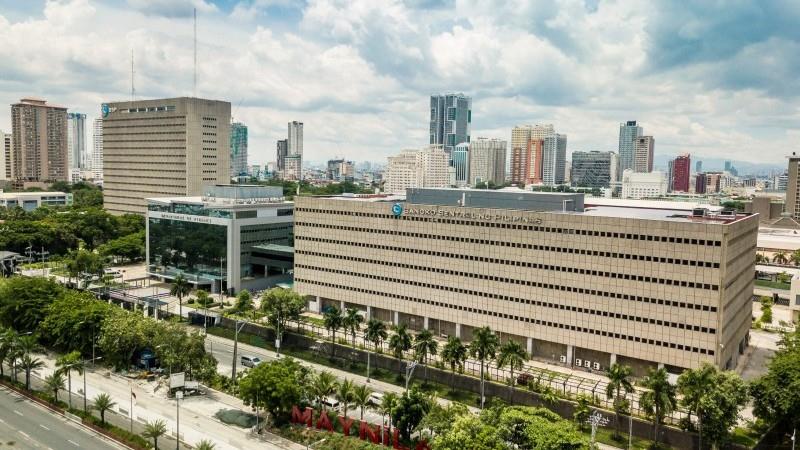
Philippine Rate Hike Still On Track Despite Softer Inflation Print
(MENAFN- ING)
Inflation undershoots expectations
In May, headline CPI inflation in the Philippines eased to 6.8% year-on-year from 7.2% in April, nearly a full percentage point below consensus expectations. The slowdown was primarily driven by a partial reversal in transport inflation, while food and services inflation remained elevated. Second-round effects from the continued pass-through of higher global oil prices, particularly to electricity, gas, and restaurant prices, also showed little sign of easing.
Transport drives decline; food and services hold steadyFood inflation, which accounts for roughly 38% of the CPI basket, remained the largest contributor, with its overall contribution broadly unchanged from the previous month. Rice prices accelerated further, rising 15.6% YoY (vs. 13.7% previously) and contributing 1.1pp to headline inflation. Meanwhile, non-rice food items contributed a similar 1.1pp, indicating that price pressures are increasingly broad-based rather than driven solely by rice-specific factors.
Transport inflation moderated significantly, driven by domestic fuel price rollbacks of around 15% from their April peak. As a result, transport inflation eased to 16% YoY from 21% previously. This contributed around 1.5ppt to headline inflation and remained the second-largest driver. Housing, electricity, and gas added a further 1.6 ppt, slightly lower than the previous month.
Services inflation remained relatively stable overall, contributing just over 1ppt to headline inflation. However, within this category, restaurants and hotels saw some acceleration, with inflation rising to 6.7% YoY from 6.0% previously, making it the third-largest contributor after food and transport.
Rising risks; we maintain our call for June rate hikeWhile today's softer print may offer some near-term relief to Bangko Sentral ng Pilipinas (BSP), risks to the inflation outlook remain firmly skewed to the upside. The World Bank projects fertiliser prices to rise by around 31% on average in 2026. This would push affordability to its weakest level since 2022, and keep upward pressure on non-rice food prices. In addition, the 61–87% probability of an El Niño event emerging by mid-2026 and potentially persisting into 2027 poses further downside risks to agricultural output in Asia, with rice production potentially declining by 20–50%.
Core inflation, at 4.1% YoY, has breached the BSP's 4% target for the first time since 2023. Second-round effects from higher fuel costs on services inflation, meanwhile, continue to build. Taken together, these dynamics reinforce an upside bias to inflation.
Against this backdrop, we maintain our forecast for CPI inflation to average 5.8% YoY in 2026, well above the BSP's 4% target. As such, we continue to expect a front-loaded but measured tightening cycle from the BSP.
With tensions surrounding the US–Iran conflict showing little sign of near-term de-escalation, our base case is tilted toward a higher global oil price environment, with supply disruptions likely to ease only by the third quarter. In this context, we view a 25bp rate hike in June as highly likely, with rising odds of a larger 50bp move should there be no clear progress toward de-escalation ahead of the BSP's 18 June meeting.
Rollback in fuel prices drove CPI inflation lower Source: CEIC, ING Research">
Legal Disclaimer:
MENAFN provides the
information “as is” without warranty of any kind. We do not accept
any responsibility or liability for the accuracy, content, images,
videos, licenses, completeness, legality, or reliability of the information
contained in this article. If you have any complaints or copyright
issues related to this article, kindly contact the provider above.
Most popular stories
Market Research

More Story






Comments
No comment