



403
Sorry!!
Error! We're sorry, but the page you were looking for doesn't exist.
Dutch Inflation Edges Higher On Indirect Energy Effects
(MENAFN- ING)
Services also to blame
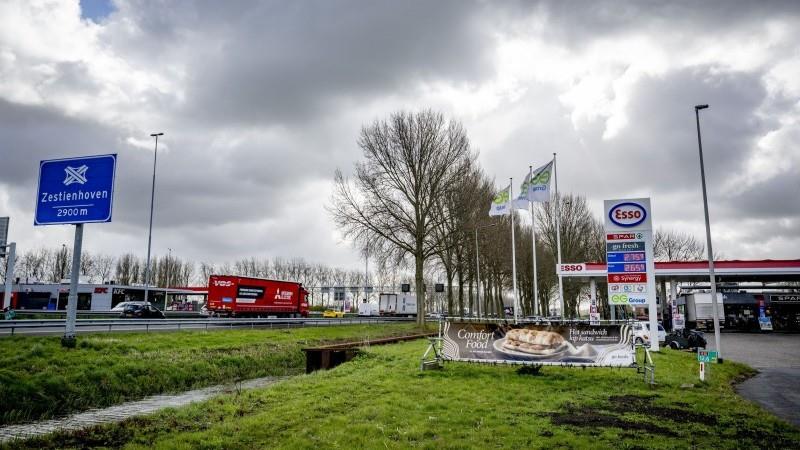
In May, the harmonised HICP inflation rate in the Netherlands jumped to the highest level since March 2025. While energy and fuel ticked up again (from 8.0% year-on-year in April to 10.1% in May), the increase in services contributed most to higher headline inflation. Services inflation rose from 3.2% in April to 5.2% in May – the highest rate of any price increase recorded for this category since April 2025. This marks an end to the trend seen over the last six months, during which falling wage growth prompted a deceleration in services inflation.
As a result, the declining trend in core inflation has also reversed, rising to 3.4% in May (up from 2.1% in April). While detailed information is not yet available, it is quite likely that this is due to higher prices for package holidays and passenger transportation, as air carriers have announced fuel surcharges. International travel may also explain a pick-up in the inflation for consumption abroad, which rose to 5.6%. This inflation component is included in the national CPI measure, contributing to the acceleration of the headline CPI rate from 2.8% YoY in April to 3.5% in May.
Indirect effects of energy and fuel prices are not yet as apparent in industrial goods and food. Inflation for industrial goods (excluding fuel and energy) came in at a still-low 0.7% YoY, albeit somewhat higher than April's 0.4%. Food, beverages, alcohol, and tobacco inflation even fell, from 1.5% in April to 0.4% in May. But don't expect this to last, as this category tends to be quite sensitive to energy prices.
Overall, it's likely that a further impact from higher energy and fuel prices on wholesale markets will follow in the months ahead. This won't be limited to indirect effects, as 54-57% of Dutch households have an energy contract with fixed prices, according to the Netherlands Authority for Consumers and Markets (ACM), and were or still are temporarily insulated from higher price levels.
Given that several energy providers will be using 1 July (and 1 October later this year) as preset dates for price increases, energy inflation is highly likely to rise further for the average consumer. We expect the headline HICP inflation rate to rise above 4% later in the year, driven by higher energy bills and indirect effects.

Legal Disclaimer:
MENAFN provides the
information “as is” without warranty of any kind. We do not accept
any responsibility or liability for the accuracy, content, images,
videos, licenses, completeness, legality, or reliability of the information
contained in this article. If you have any complaints or copyright
issues related to this article, kindly contact the provider above.
Most popular stories
Market Research

More Story







Comments
No comment