

FX Daily: Markets Reluctant To Price In More JPY Interventions


FX volatility has continued to plummet, with the widely watched CVIX index falling below 6.0 for the first time since March 2024. The FX market looks just as reluctant to price in a re-escalation in the Middle East this morning as it was to price in an imminent peace deal in recent days. Brent's rapid return below $95 in the Asian session suggests broader sentiment is improving again, despite headlines that US-Iran negotiations have collapsed once more.
The 99.0-99.50 range in DXY remains the 'comfort zone' for now. That embeds lower oil prices but also reflects the broadly stronger macro backing for the dollar. In our view, the latter factor could be reinforced by this week's US data calendar.
After a strong manufacturing ISM yesterday, focus turns to the April JOLTS jobs report. Layoffs will be closely watched following the March pickup, but consensus looks for stabilisation and no change in job openings. The net impact on the dollar should be neutral in that case, leaving Middle East headlines as the sole driver.
Francesco Pesole
EUR: Eurozone core CPI starts creeping upEurozone flash inflation is set to rise from 3.0% to 3.2% in May. Core inflation is also expected to tick up, from 2.2% to 2.4% – unwelcome for the ECB, though not enough to raise immediate alarm. It should, however, support a hawkish tone alongside a highly likely rate hike at next week's meeting (preview here ).
The somewhat surprising decline to 2.9% in 3-year CPI expectations in April is probably a testament to the importance of the ECB keeping tightening expectations elevated to prevent any de-anchoring.
EUR/USD went through the usual Gulf-driven swings yesterday, but like the rest of the G10, it's showing much more muted volatility. Once – if – a peace deal is ultimately signed, the euro can attempt a return to 1.180, but don't expect the pair to price much optimism only based on constructive headlines.
Francesco Pesole
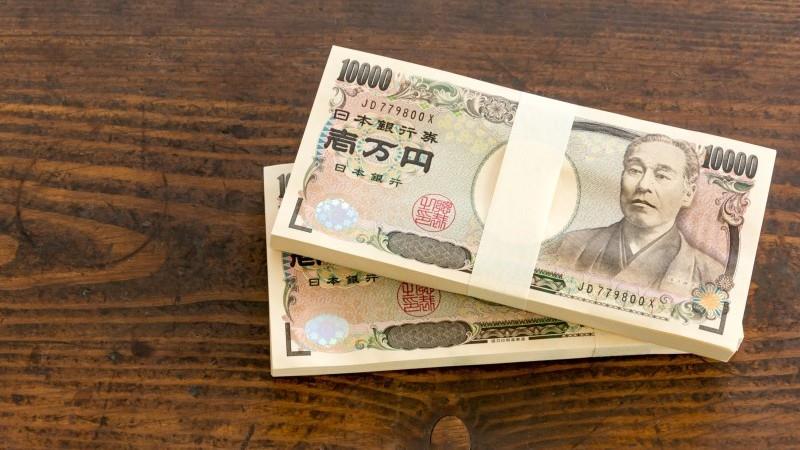
JPY: Risk of new interventions a bit underpricedUSD/JPY short-term implied volatility (1 week to 3 months) has followed the broader drop in G10 volatility, failing to show the risk of renewed FX intervention as the pair nears 160.0. Markets may be assuming the BoJ will wait to see whether a 16 June hike (19bp priced) can cap USD/JPY.
After the largest intervention since 2004 in April-May, there is also a growing sense that such a pace cannot be sustained. It may also reflect market expectations of restraint given the IMF's guideline of a maximum of three intervention episodes within any rolling six-month window to preserve“free-floating” status.
Still, the risk of new intervention does look a bit underpriced, considering Japanese authorities have remained rather hawkish with their intervention narrative. The new bar may be set well above the 160.60 level where they intervened in April, perhaps 162-163.
We think markets will keep testing the topside in USD/JPY, also considering June is a seasonally weak month for the yen.
Francesco Pesole
PLN: NBP can wait a bit longerThe National Bank of Poland is widely expected to keep rates unchanged at 3.75% today. Only four weeks have passed since the last meeting, with little new information since then. In addition, Friday's softer-than-expected inflation print at 3.1% argues for patience, while the next forecast round will not be available until July. In our view, today's meeting is mainly a check-in on current conditions, with any potential policy decision likely deferred. With inflation still inside the tolerance band, our baseline remains unchanged for longer.
More attention will be on Governor Adam Glapinski's press conference tomorrow, which may offer clearer guidance on the central bank's sensitivity to renewed inflation pressures. While the link between oil prices and PLN rates has weakened somewhat in recent days, global drivers still dominate. The market cut back hike expectations sharply after last week's global rally, with Friday's softer inflation reading reinforcing the no change. That said, yesterday's global headlines brought payers back into CEE markets, and Poland now has around 60bp of tightening priced over the next 12 months.
As we discussed yesterday, it remains unlikely that the market will fully unwind current hike pricing, and we see a floor at roughly 1.5 hikes. In FX, EUR/PLN rebounded from the lower end of its recent range yesterday but still lacks a stronger directional catalyst. A more compelling scenario would emerge if the ECB delivers a June hike while the NBP stays on hold for longer, which could increase pressure on PLN through a wider rate differential and pressure on the current account.
Frantisek Taborsky

Legal Disclaimer:
MENAFN provides the
information “as is” without warranty of any kind. We do not accept any
responsibility or liability for the accuracy, content, images, videos,
licenses, completeness, legality, or reliability of the information
contained in this article. If you have any complaints or copyright issues
related to this article, kindly contact the provider above.
Comments
No comment