



403
Sorry!!
Error! We're sorry, but the page you were looking for doesn't exist.
10 Artist-Run Galleries Around The World You Should Know, From Bangkok To L.A. Artsy
(MENAFN- USA Art News)
Artist-Run Galleries Are Rewriting the Rules of Care and Community
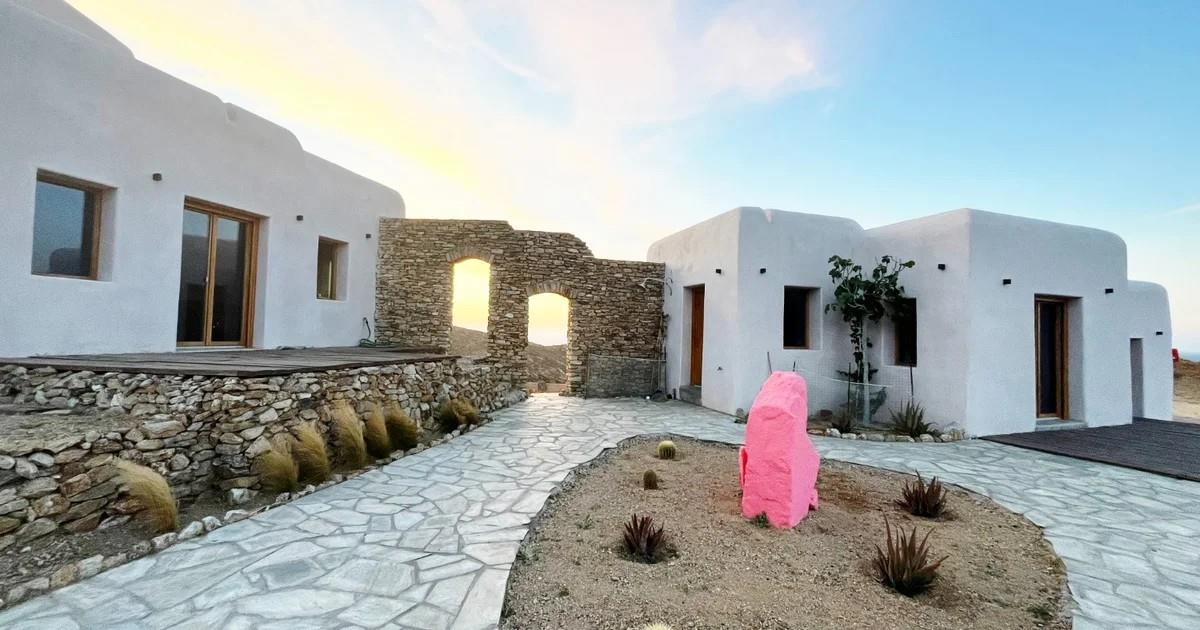
What happens when the person running a gallery also knows, from experience, what it means to be on the other side of the wall? Around the world, artist-run spaces are answering that question with models that are less rigid, more intimate, and often more responsive to the needs of the artists they show. From Barcelona to Bangkok to Glasgow and Mykonos, these galleries are proving that artistic practice and gallery management do not have to exist in separate worlds.
The result is a network of spaces that can feel unusually attentive. Some are built around neighborhood access, others around long-term residencies, and others around experimental programming that would be difficult to sustain in a more conventional commercial setting. Taken together, they point to a broader shift in how artists are supporting one another - not only through exhibitions, but through the daily labor of making a space feel viable, welcoming, and intellectually alive.
In Barcelona, Escat Gallery, founded by artist Pau Escat, grew out of Casa Studio Granados, the pandemic-era creative space he ran with his wife, artist Alicia Gimeno. Since formalizing in 2024, the gallery has expanded into three distinct sites: a main space in Trafalgar, an experimental offshoot in Sarrià, and Lab Studio in Mahón, Menorca, where one artist each year is invited into a slower, more concentrated residency. Previous residents have included German painter Moritz Berg and Argentine abstract artist Tete Alurralde. Escat has described the tension between artistic instinct and commercial reality as something he does not try to resolve, but to keep active.
In Bangkok, The Charoen AArt, founded by street photographer Bryce Watanasoponwong, occupies a former home on Charoen Krung Road in Bang Kho Laem, one of the city's older neighborhoods. Opened in 2024, the space is deliberately removed from Bangkok's main gallery circuit. Watanasoponwong sees that distance as part of the experience, allowing the building, the journey, and the work itself to shape how visitors encounter an exhibition. Shows such as Illya Skubak's“STRATUM” reflect that approach, using discarded urban materials to speak quietly about survival and resilience.
Elsewhere, Queens Park Railway Club in Glasgow and Rancho Kaya in Mykonos extend the same impulse in different directions, whether through unusual sites or close-knit communities of repeat visitors. What links these galleries is not a single aesthetic, but a shared ethic: a belief that artists deserve more than exposure alone. They need time, attention, and spaces shaped by people who understand the pressures of making work from the inside.

Legal Disclaimer:
MENAFN provides the
information “as is” without warranty of any kind. We do not accept
any responsibility or liability for the accuracy, content, images,
videos, licenses, completeness, legality, or reliability of the information
contained in this article. If you have any complaints or copyright
issues related to this article, kindly contact the provider above.
Most popular stories
Market Research

More Story




Comments
No comment