




403
Sorry!!
Error! We're sorry, but the page you were looking for doesn't exist.
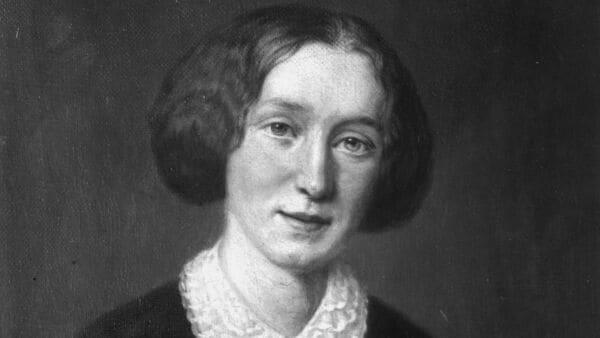
Quote Of The Day By George Eliot: 'What Greater Thing Is There For Two Human Souls, Than To Feel...'
(MENAFN- Live Mint) Few writers in English literature captured the emotional depth of human relationships as profoundly as George Eliot, whose words on companionship remain among the most quoted passages in Victorian fiction.
Born Mary Ann Evans in Warwickshire, England, in 1819, Eliot emerged as one of the defining literary voices of the Victorian era. Before establishing herself as a novelist, she worked extensively as a translator, editor and literary critic. Adopting the male pen name George Eliot allowed her work to be judged more seriously in a literary culture that often dismissed women writers. Her major works - including Adam Bede, The Mill on the Floss, Silas Marner, Middlemarch and Daniel Deronda - helped shape the psychological realism that later became central to modern fiction.
Among Eliot's most enduring lines is the passage:
“What greater thing is there for two human souls, than to feel that they are joined for life.”The quote originates from Adam Bede, first published in 1859. The fuller passage reads:“What greater thing is there for two human souls, than to feel that they are joined for life-to strengthen each other in all labour, to rest on each other in all sorrow, to minister to each other in all pain...”
The sentiment remains powerful because Eliot presents love not as fleeting romance or emotional intensity alone, but as enduring companionship. The phrase“joined for life” carries a meaning far beyond legal marriage or social convention. It suggests a relationship grounded in emotional partnership, shared burdens and mutual resilience.
Eliot's vision of love centres on the idea that two people strengthen one another through ordinary life - through labour, grief, suffering and memory. In this interpretation, love is not merely an emotion but an ongoing act of care and presence.
The quote continues to resonate strongly in the modern world, where relationships are often tested by professional pressure, emotional exhaustion, digital distraction and shifting social expectations. Increasingly, people seek not only romance but emotional safety and stability.
Modern relationship psychology echoes many of Eliot's observations. Research and guidance from The Gottman Institute frequently emphasise the importance of shared meaning, mutual goals and emotional support in sustaining long-term partnerships. Eliot's words anticipate this contemporary thinking by framing love as a shared journey rather than a temporary feeling.
Also Read | Quote of the Day by Viktor Frankl: 'What man actually needs is not...'Another widely circulated quote often attributed to Eliot -“It is never too late to be what you might have been.” - complements this idea of companionship and growth, although literary scholars frequently caution that the precise sourcing of the line remains uncertain.
Together, the two ideas suggest that meaningful relationships should not limit personal growth but encourage it. The strongest partnerships, Eliot implies, allow individuals to evolve while remaining deeply connected.
Her closing reflection from Adam Bede perhaps explains why the passage still moves readers generations later:“To strengthen each other in all labour, to rest on each other in all sorrow.”
For Eliot, love was never measured only by passion or beauty. It was proven through constancy, tenderness and the quiet promise of standing beside another person through every stage of life.

Legal Disclaimer:
MENAFN provides the
information “as is” without warranty of any kind. We do not accept
any responsibility or liability for the accuracy, content, images,
videos, licenses, completeness, legality, or reliability of the information
contained in this article. If you have any complaints or copyright
issues related to this article, kindly contact the provider above.
Most popular stories
Market Research

More Story







Comments
No comment