




403
Sorry!!
Error! We're sorry, but the page you were looking for doesn't exist.
Pak Army Chief Heads To Tehran As Iran-US Talks Advance
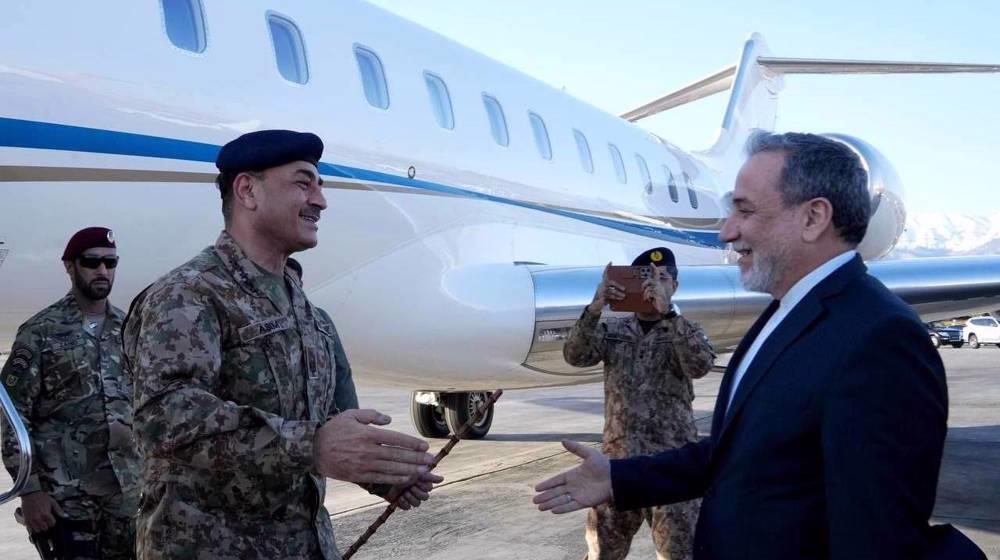
(MENAFN- Kashmir Observer) Tehran- Pakistan's army chief travelled to Tehran on Friday as a surge in regional diplomacy raised hopes that negotiations between Iran and the United States were gaining momentum, reducing the immediate risk of renewed conflict even as key disputes remained unresolved.
ADVERTISEMENT
Field Marshal Asim Munir's visit, his second to Iran in little more than a month, comes amid intensified diplomatic activity involving Pakistan, Iran and the United States following a fragile ceasefire that halted weeks of military confrontation and reopened channels for negotiations.
ADVERTISEMENT
Security sources said Munir would meet senior Iranian officials to discuss Iran-U.S. talks, regional peace efforts and broader strategic matters. Iran's state-run Press TV, citing official news agency IRNA, also reported that Munir was en route to Tehran.
His visit follows several days of talks in Tehran by Pakistani Interior Minister Mohsin Naqvi, who has held meetings with senior Iranian leaders including President Masoud Pezeshkian and Foreign Minister Abbas Araqchi.
Sources said Naqvi met Araqchi twice to review proposals aimed at reducing tensions and narrowing differences between Tehran and Washington.
Pakistan has publicly remained cautious about the diplomatic engagements.
Foreign Office spokesperson Tahir Andrabi earlier said he could“neither deny nor confirm” reports of a high-level Pakistani delegation travelling to Iran. However, U.S. Secretary of State Marco Rubio appeared to acknowledge the outreach, saying he believed“Pakistanis will be travelling to Tehran” and suggesting there had been encouraging signs in ongoing discussions.
“I don't want to get ahead of it... I think we've made some progress,” Rubio said, while adding that“other options” remained available.
The flurry of diplomatic contacts has raised hopes that negotiations are advancing, reducing the immediate risk of renewed hostilities even as key disputes remain unresolved.
Recent reports from Iranian and regional media suggest indirect exchanges between Tehran and Washington have intensified after U.S. President Donald Trump extended a ceasefire that paused military escalation.
ADVERTISEMENTTrump earlier this week again raised the possibility of military action if negotiations failed.
“I hope we don't have to do the war, but we may have to give them another big hit,” Trump told reporters, before offering a vague timeline for possible action.
Yet diplomatic signals in recent days have pointed toward cautious movement rather than imminent escalation.
Read Also Asim Munir Meets Iran FM in Tehran Amid Peace Push Iran Warns of 'New Fronts' as Trump Sets New DeadlineIranian officials have also attempted to frame negotiations not as a process of seeking concessions but of restoring rights they argue have been denied for decades.
Foreign Ministry spokesperson Esmaeil Baqaei rejected suggestions that Tehran was seeking political favours from Washington.
“When discussing concessions, words must be chosen carefully,” Baqaei said.“Iran is not asking for concessions from the United States. We are demanding our rights.”
Baqaei said Iran's demands included lifting sanctions, releasing frozen assets and ending restrictions affecting Iranian maritime activity, which Tehran has described as unlawful measures.
He also rejected claims surrounding Iran's nuclear programme, saying there was no nuclear threat posed by Tehran.
Diplomatic reports suggest discussions may now be expanding beyond traditional nuclear issues toward wider questions involving economic restrictions, regional security arrangements and mechanisms to sustain the ceasefire.
Still, major differences remain over uranium enrichment levels, international monitoring and the future of Iranian assets held abroad.
Analysts say three broad scenarios now appear possible: a comprehensive agreement involving reciprocal concessions, an interim arrangement extending the ceasefire while negotiations continue, or a breakdown in diplomacy leading to renewed confrontation.
For Pakistan, whose diplomatic engagement has accelerated in recent weeks, preventing another regional war carries both political and strategic significance. A wider conflict involving Iran could disrupt trade routes, alter security calculations and deepen instability across the region.
For now, however, diplomatic momentum appears to be overtaking battlefield rhetoric.
Whether that momentum can be converted into a lasting agreement remains the question facing negotiators in Tehran and Washington.
Legal Disclaimer:
MENAFN provides the
information “as is” without warranty of any kind. We do not accept
any responsibility or liability for the accuracy, content, images,
videos, licenses, completeness, legality, or reliability of the information
contained in this article. If you have any complaints or copyright
issues related to this article, kindly contact the provider above.
Most popular stories
Market Research

More Story




Comments
No comment