




403
Sorry!!
Error! We're sorry, but the page you were looking for doesn't exist.
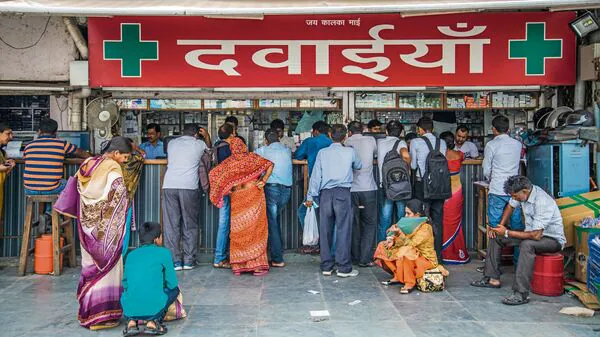
Chemists Strike On May 20: Why Indian Pharmacists Are Protesting E-Pharmacies Over Rules, Pricing And Safety
(MENAFN- Live Mint) The All-India Organisation of Chemists and Druggists (AIOCD), which represents nearly 12.4 lakh chemists, pharmacists and drug distributors across India, has announced a nationwide strike on 20 May. The protest is expected to disrupt the supply of medicine in several parts of the country for the day.
The association says the protest aims to highlight regulatory gaps that, in its view, have allowed e-pharmacies and instant medicine delivery platforms to operate without sufficient oversight.
What are the chemists demanding?The AIOCD has demanded that the Centre withdraw two notifications-- GSR 220(E) and GSR 817(E).
The association argues that these provisions have allowed online pharmacies to operate in what it describes as a“legal grey area”, without a comprehensive framework governing prescription verification, medicine dispensing and accountability for violations.
According to The Indian Express, AIOCD General Secretary Rajiv Singhal said there is growing concern over e-pharmacies and instant delivery apps allegedly dispensing incorrect or fake prescriptions due to regulatory gaps.
“We understand that online pharmacies are here to stay, but they should be regulated as rigorously as the brick-and-mortar ones. This is the reason we have asked the government to withdraw the GSR 220(E) and GSR 817(E) notifications that have allowed these pharmacies to operate in a legal grey zone,” Singhal told IE.
Also Read | Nationwide chemist strike on 20 May loses steam as key states withdraw supportGSR 817(E) is a draft notification issued around eight years ago to create a regulatory framework for e-pharmacies in India. It proposed a registration system for online pharmacies, prescription verification norms, operational safeguards and penalties for violations.
However, the draft notification was never finalised and has remained under review for years. In a 2019 Rajya Sabha reply, then Minister of State for Health and Family Welfare Ashwini Kumar Choubey said stakeholder comments on the draft rules were still being examined.
According to the AIOCD, this prolonged uncertainty has allowed e-pharmacies to continue operating without a clear legal structure.
What is GSR 220(E)?The Ministry of Health and Family Welfare introduced GSR 220(E) during the Covid-19 pandemic as an emergency provision that allowed registered pharmacies to deliver medicines directly to consumers.
The AIOCD argues that while the measure may have been justified during the pandemic, it is now being used by e-pharmacies as a loophole to continue operations without a dedicated framework for online medicine sales.
Singhal told IE that repeated assurances of review have not led to concrete action.“The review has been going on for years,” he said.
The association has also raised concerns over patient safety and market competition.
According to the AIOCD, some online platforms are allegedly dispensing medicines against fake or improperly verified prescriptions, including those issued by unregistered practitioners. The association has also raised concerns about deep discounting and what it describes as predatory pricing by e-pharmacies, saying discounts exceeding 50% are unsustainable for smaller neighbourhood pharmacies and amount to unfair competition. Singhal told IE that such pricing practices are driving a market imbalance, arguing that“corporations can pump in their profits to offer such discounts,” something smaller chemists cannot match.
Also Read | British Indian chemist wins Millennium Tech Prize for DNA sequencing techniques Will the strike affect medicine supply?Representatives of the chemists' body met the apex drug regulator last month. According to AIOCD, the health ministry assured them that they would review the matter. Officials from the Central Drugs Standard Control Organisation (CDSCO ) have said the concerns of chemists are under active consideration, according to government sources cited by IE.
The health ministry has indicated that some state-level pharmacy associations, including those in West Bengal, may not participate in the strike, and several state bodies have chosen to stay away after assurances from the regulator that the issue is under review. However, AIOCD has maintained that the strike will proceed nationwide.

Legal Disclaimer:
MENAFN provides the
information “as is” without warranty of any kind. We do not accept
any responsibility or liability for the accuracy, content, images,
videos, licenses, completeness, legality, or reliability of the information
contained in this article. If you have any complaints or copyright
issues related to this article, kindly contact the provider above.
Most popular stories
Market Research

More Story





Comments
No comment