





403
Sorry!!
Error! We're sorry, but the page you were looking for doesn't exist.
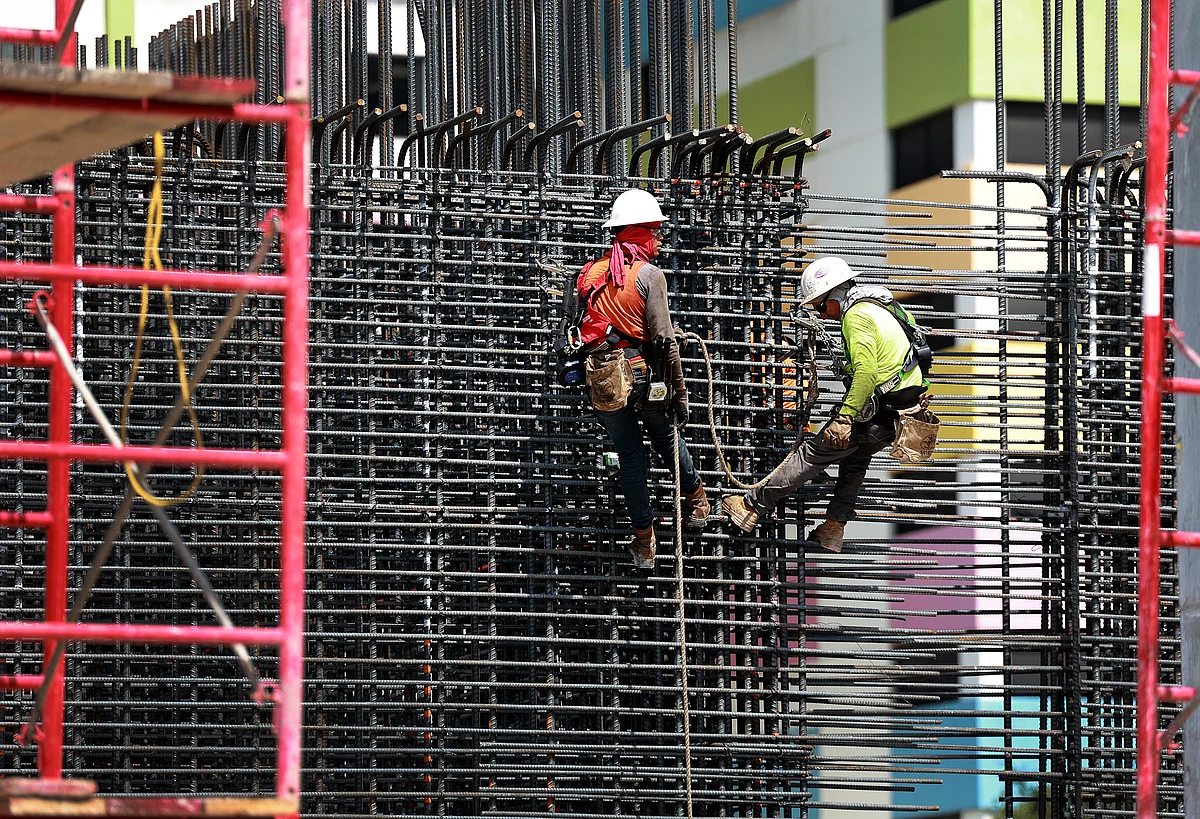
UN Labour Agency Says Middle East Conflict Threatens Millions Of Jobs Globally
(MENAFN- Khaleej Times) [Editor's Note: Follow the Khaleej Times live blog for the latest regional developments with the
US-Israel-Iran ceasefire
now in effect.]
The Middle East war is undermining wages and working conditions way beyond the conflict region, the UN's International Labour Organization said Monday.
Recommended For YouThe ILO predicted in a report that the conflict could cost millions of jobs and see real wages fall in 2026 and 2027 with a particular risk for migrant workers who send home remittances.
It said that higher energy costs, transport disruption, supply chain pressure, weaker tourism and migrant labour cuts were all weighing on economies because of the war.
"The conflict is expected to affect labour markets for some time, with the scale and duration of its effects depending on how the situation evolves," said the report.
Stay up to date with the latest news. Follow KT on WhatsApp channels.
It predicted that if oil prices climb about 50 per cent above their average before US-Israeli attacks on Iran started on February 28, global hours worked would fall by 0.5 percent in 2026 and 1.1 per cent in 2027.
The ILO said this was the equivalent of 14 million full-time jobs this year and 43 million next year. Global unemployment would increase by 0.1 percentage points in 2026 and 0.5 percentage points next year.
It predicted that real labour incomes would decline by 1.1 percent this year and three percent in 2027.
The ILO said that the Middle East and Gulf states and the Asia-Pacific region would be worst hit and that the fallout could be worse than during the Covid-19 pandemic.
Migrant workers in the Arab states would bear the brunt.
"Around 40 per cent of employment in the region is concentrated in high-exposure sectors such as construction, manufacturing, transport, trade and hospitality," said the report.
The ILO said that reduced use of South and Southeast Asian labour by the Gulf states would hit crucial remittances from migrant workers.
"Beyond its human toll, the Middle East crisis is not a short-lived disruption. It is a slow-moving and potentially long-lasting shock that will gradually reshape labour markets," said ILO chief economist Sangheon Lee who wrote the report.
ALSO READ- Philippine unemployment rises, prolonged Mideast conflict hits tourism in Southeast Asia Asian Development Bank cuts regional growth forecasts on impact of war in Middle East From wage hike to ending Mideast war: Thousands of Filipinos take to the streets on Labor Day

Legal Disclaimer:
MENAFN provides the
information “as is” without warranty of any kind. We do not accept
any responsibility or liability for the accuracy, content, images,
videos, licenses, completeness, legality, or reliability of the information
contained in this article. If you have any complaints or copyright
issues related to this article, kindly contact the provider above.
Most popular stories
Market Research

More Story






Comments
No comment