



403
Sorry!!
Error! We're sorry, but the page you were looking for doesn't exist.
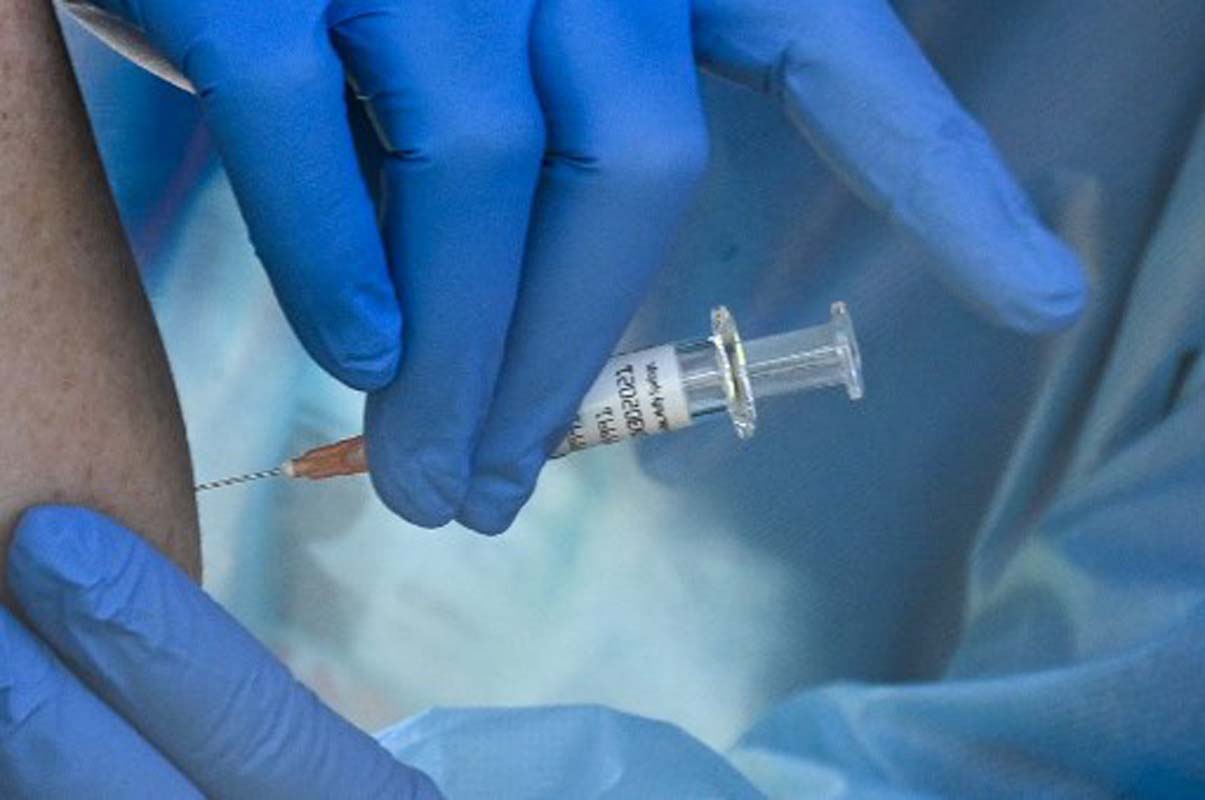
Australian Scientists Pioneer Refrigeration-Free Malaria Vaccine
(MENAFN) Researchers at Australia's Griffith University have engineered a next-generation malaria vaccine that requires no refrigeration and demonstrates strong potential for durable protection while significantly curbing mosquito transmission, the university announced Wednesday.
The vaccine is projected to be low-cost, and its cold-chain independence markedly boosts its viability for deployment in hard-to-reach regions, according to a Griffith University statement.
Malaria claims more than 500,000 lives annually, predominantly in developing nations where vaccine storage and distribution infrastructure remain critical obstacles.
"Existing vaccines offer only partial and short-lived protection and are difficult to distribute across the globe as they require strict refrigeration," said Griffith University Professor Bernd Rehm, whose team spearheaded the vaccine's development.
According to the study, published in the journal Small, the vaccine maintained stability and effectiveness for a minimum of one month at temperatures reaching 37 degrees Celsius — eliminating cold-chain dependencies and broadening access across rural and remote communities.
"It attacks two critical stages at once -- before infection and during transmission by stopping the parasite from reaching and infecting the liver, and also by preventing parasites from developing inside mosquitoes and spreading to others," Rehm said.
The vaccine employs engineered bacterial particles that function as a scaffold to display key malaria proteins, effectively training the immune system to identify and neutralize the parasite, researchers explained.
Preclinical findings revealed the vaccine slashed liver infection rates by up to 80 percent, delivered complete protection to roughly one quarter of recipients, and reduced mosquito transmission by approximately two-thirds — with immunity persisting for at least six months.
The vaccine is projected to be low-cost, and its cold-chain independence markedly boosts its viability for deployment in hard-to-reach regions, according to a Griffith University statement.
Malaria claims more than 500,000 lives annually, predominantly in developing nations where vaccine storage and distribution infrastructure remain critical obstacles.
"Existing vaccines offer only partial and short-lived protection and are difficult to distribute across the globe as they require strict refrigeration," said Griffith University Professor Bernd Rehm, whose team spearheaded the vaccine's development.
According to the study, published in the journal Small, the vaccine maintained stability and effectiveness for a minimum of one month at temperatures reaching 37 degrees Celsius — eliminating cold-chain dependencies and broadening access across rural and remote communities.
"It attacks two critical stages at once -- before infection and during transmission by stopping the parasite from reaching and infecting the liver, and also by preventing parasites from developing inside mosquitoes and spreading to others," Rehm said.
The vaccine employs engineered bacterial particles that function as a scaffold to display key malaria proteins, effectively training the immune system to identify and neutralize the parasite, researchers explained.
Preclinical findings revealed the vaccine slashed liver infection rates by up to 80 percent, delivered complete protection to roughly one quarter of recipients, and reduced mosquito transmission by approximately two-thirds — with immunity persisting for at least six months.

Legal Disclaimer:
MENAFN provides the
information “as is” without warranty of any kind. We do not accept
any responsibility or liability for the accuracy, content, images,
videos, licenses, completeness, legality, or reliability of the information
contained in this article. If you have any complaints or copyright
issues related to this article, kindly contact the provider above.
Most popular stories
Market Research

More Story





Comments
No comment