




403
Sorry!!
Error! We're sorry, but the page you were looking for doesn't exist.
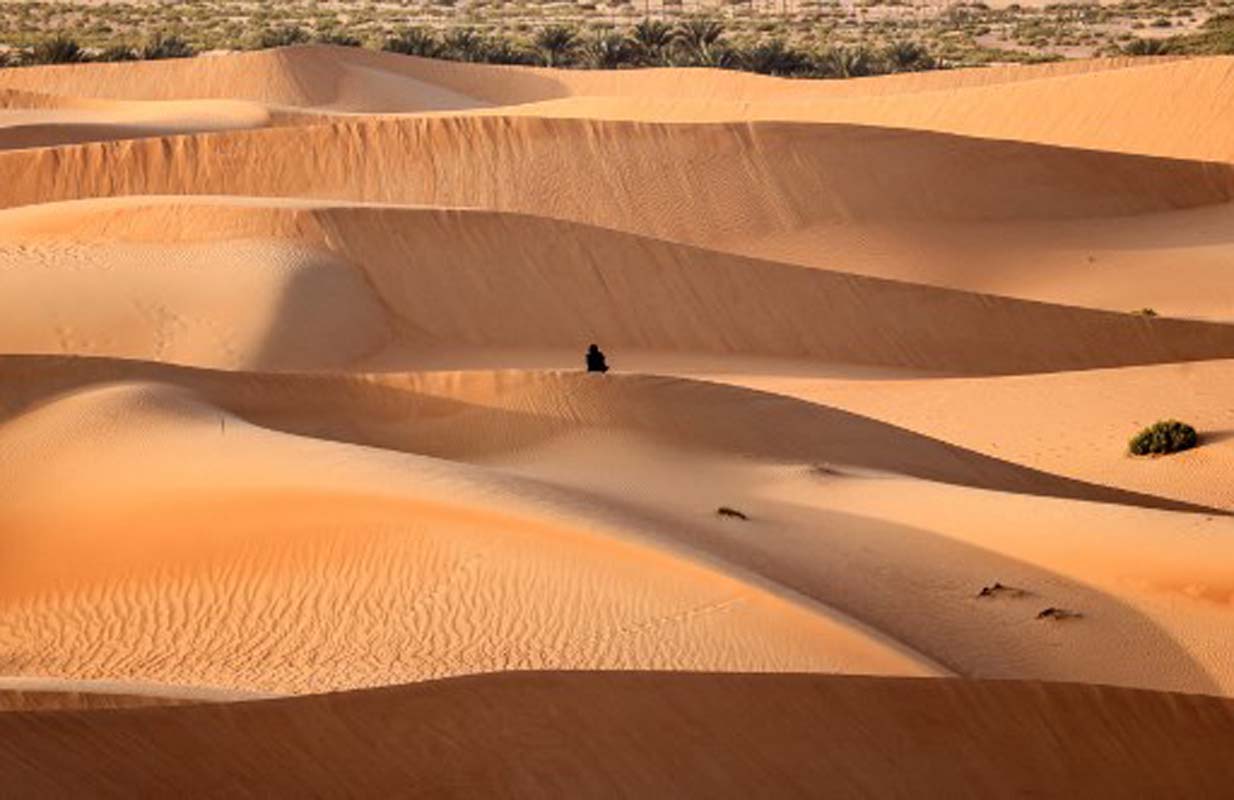
UNEP Warns of Growing Global Sand Shortage Threatening Ecosystems
(MENAFN) The world is consuming sand at a rate that far exceeds nature’s capacity to replace it, posing growing risks to ecosystems, biodiversity and human livelihoods, according to a new report released Tuesday by the United Nations Environment Programme (UNEP).
The report estimates that global sand consumption has reached around 50 billion tonnes each year, largely driven by rapid urban growth, expanding infrastructure projects and rising population demands.
UNEP also projects that the amount of sand used in construction could rise by as much as 45% by 2060, intensifying pressure on already strained natural resources.
The agency warned that this imbalance is creating a widening “sand gap,” referring to the difference between accelerating extraction and the extremely slow natural formation of sand, which can take hundreds of thousands of years.
“Sand is sometimes referred as the unrecognized hero of development, but its essential role in sustaining the natural services on which we depend is even more overlooked,” said Pascal Peduzzi, director of the UNEP Global Resource Information Database Geneva.
The report also draws a distinction between so-called “dead” sand used in materials such as concrete, asphalt and glass, and “alive” sand found in rivers, deltas and coastal ecosystems. The latter plays a critical role in regulating water systems, protecting coastlines and sustaining biodiversity.
The report estimates that global sand consumption has reached around 50 billion tonnes each year, largely driven by rapid urban growth, expanding infrastructure projects and rising population demands.
UNEP also projects that the amount of sand used in construction could rise by as much as 45% by 2060, intensifying pressure on already strained natural resources.
The agency warned that this imbalance is creating a widening “sand gap,” referring to the difference between accelerating extraction and the extremely slow natural formation of sand, which can take hundreds of thousands of years.
“Sand is sometimes referred as the unrecognized hero of development, but its essential role in sustaining the natural services on which we depend is even more overlooked,” said Pascal Peduzzi, director of the UNEP Global Resource Information Database Geneva.
The report also draws a distinction between so-called “dead” sand used in materials such as concrete, asphalt and glass, and “alive” sand found in rivers, deltas and coastal ecosystems. The latter plays a critical role in regulating water systems, protecting coastlines and sustaining biodiversity.

Legal Disclaimer:
MENAFN provides the
information “as is” without warranty of any kind. We do not accept
any responsibility or liability for the accuracy, content, images,
videos, licenses, completeness, legality, or reliability of the information
contained in this article. If you have any complaints or copyright
issues related to this article, kindly contact the provider above.
Most popular stories
Market Research

More Story







Comments
No comment