







403
Sorry!!
Error! We're sorry, but the page you were looking for doesn't exist.
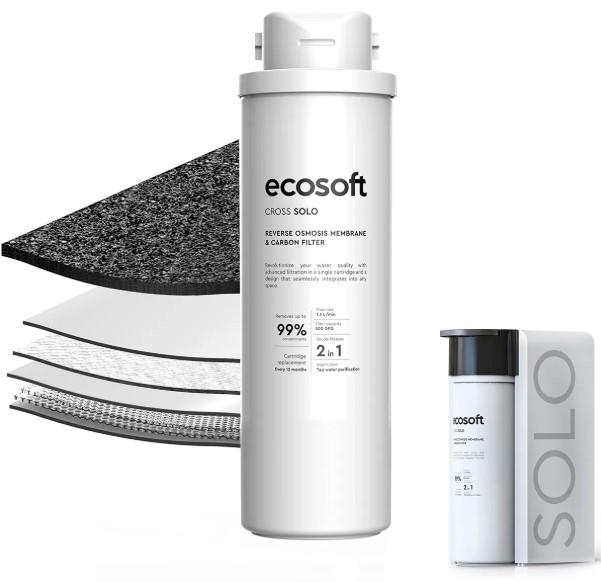
A Comprehensive Guide to Choosing the Best Reverse Osmosis Filter
(MENAFNEditorial)
Choosing the right reverse osmosis filter starts with the right criteria
A reverse osmosis filter is designed to improve drinking water by reducing dissolved substances that affect taste, odour, and overall water quality. Compared with basic filters, reverse osmosis filtration works on a finer level and offers broader treatment for everyday use. That is why a reverse osmosis system is often chosen when standard tap water filtration no longer delivers the expected result.
What a reverse osmosis filter is and how it works
A reverse osmosis filter is a water purification system that uses pressure and a semipermeable reverse osmosis membrane to separate water from dissolved contaminants. Water that passes through the membrane becomes purified product water, while rejected impurities remain in the concentrate stream. This selective separation is the main reason why a reverse osmosis water purifier can deliver a higher level of treatment than many conventional filter formats.
Why reverse osmosis filtration is a popular choice for clean water
Reverse osmosis filtration is widely used because it provides clean drinking water with stable taste and dependable daily performance. A home reverse osmosis system can improve water quality for drinking, tea, coffee, and cooking, while also reducing the need for bottled water. For many homes, this makes reverse osmosis a practical and efficient long-term water filtration system.
Key factors to consider when choosing the best reverse osmosis filter
The best reverse osmosis filter depends on several practical factors: incoming water quality, available installation space, daily water demand, maintenance needs, and the overall design of the system. It is also important to compare membrane quality, prefiltration stages, cartridge replacement intervals, and expected output. A strong system should match real household needs rather than relying only on feature lists.
Types of reverse osmosis systems and which one fits different needs
Reverse osmosis systems are available in different formats. Tank-based units store purified water for later use and are often suitable for steady household demand. Direct flow models work without a storage tank and are often selected where compact design and continuous flow matter more. The right RO water filter depends on kitchen space, consumption habits, and the preferred balance between output and convenience.

How to compare reverse osmosis filters before buying
Before buying, it helps to compare membrane performance, filtration stages, system capacity, maintenance requirements, and overall build quality. It is also useful to review how the system fits daily use instead of focusing only on price. Comparing these points makes it easier to select the best reverse osmosis filter for a specific application and to choose a water purification system with reliable long-term value.
A well-matched system delivers better long-term results
The best reverse osmosis filter is the one that fits actual water conditions, household demand, and installation requirements. A well-chosen reverse osmosis system supports clean drinking water, stable daily performance, and a clear upgrade from basic filtration. For that reason, choosing a drinking water filter should begin with the application, not only the product label.
MENAFN23042026000070018048ID1111021524

Legal Disclaimer:
MENAFN provides the
information “as is” without warranty of any kind. We do not accept
any responsibility or liability for the accuracy, content, images,
videos, licenses, completeness, legality, or reliability of the information
contained in this article. If you have any complaints or copyright
issues related to this article, kindly contact the provider above.
Most popular stories
Market Research

More Story








Comments
No comment