







403
Sorry!!
Error! We're sorry, but the page you were looking for doesn't exist.
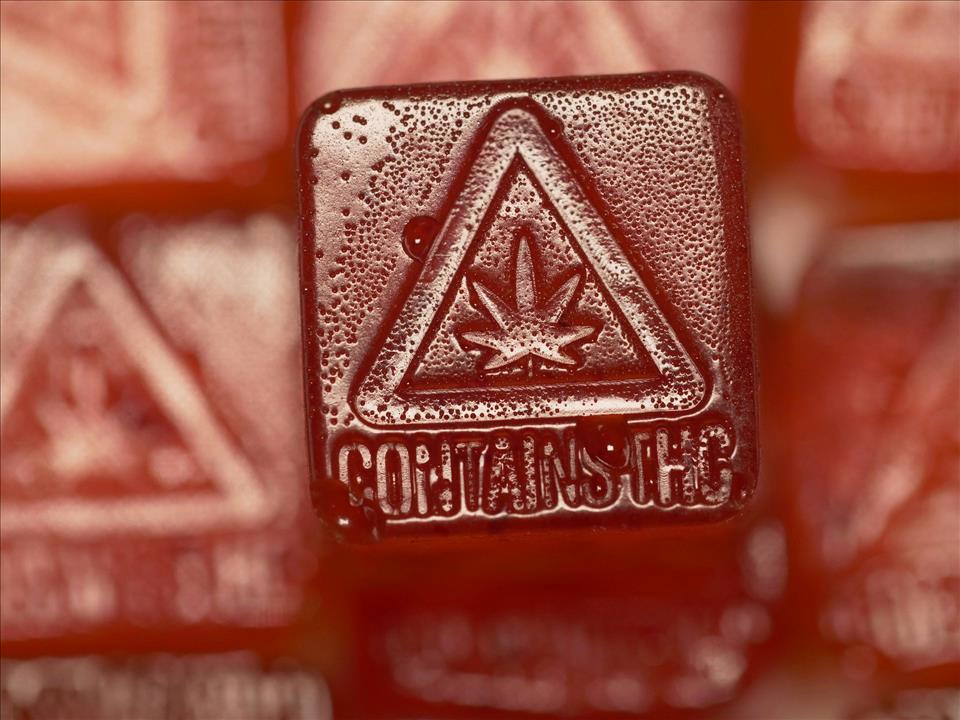
Higher-Strength Medicinal Cannabis May Be Linked To A Disturbing Pattern Of Side Effects, Our Study Shows
Author: Myfanwy Graham
(MENAFN- The Conversation) In recent years, we've seen a sizeable shift in medicinal cannabis prescribing, to products containing higher levels of THC (tetrahydrocannabinol) – the component that can cause drowsiness or a high.

Now, our new study shows some of the harms with this shift, including from products containing far more THC than naturally found in cannabis plants.
We found more than half of all cases of adverse events involving unapproved medicinal cannabis products reported to the Therapeutic Goods Administration (TGA) were related to products containing higher strengths of THC.
For this group, psychiatric disorders – including anxiety, psychotic disorder and paranoia – were the most common ones reported.
Our research is released as the TGA is reviewing the safety and regulation of unapproved medicinal cannabis products. These are the more than 1,000 products that are legally available in Australia but that the TGA has not assessed for safety, quality and effectiveness.
For higher-strength THC products, particularly in some vulnerable populations – such as young people and people with mental health conditions – the increased risk of harms is a key concern.
What we did and what we foundWe used Freedom of Information requests to the TGA to access more than 1,100 separate adverse events (sometimes called side effects) across more than 600 cases reported from mid-2022 to May 2025.
We examined the types of medicinal cannabis products involved, including the main types of cannabinoids in the product, the dose forms (for instance, plant or oils) and the main types of adverse events reported.
More than half (54%) of all adverse event case reports related to products containing higher concentrations of THC.
These products are available via prescription in Australia. They contain from 13% to more than 88% THC. By comparison, cannabis plants can contain up to 30–35% THC.
Of all adverse events reported, psychiatric disorders were the leading category, particularly for higher THC products. Anxiety, psychotic disorder and paranoia were the most common of these. We also saw 14 cases involving suicidal thoughts, behaviour and attempt.
However, just because an adverse event is reported doesn't mean medicinal cannabis caused it. But it's a good indication, because psychiatric disorders are known adverse events of THC.
As these types of adverse events are typically under-reported, the rising frequency of these events is concerning, as actual rates are almost certainly higher.
How about CBD? And inhaled products?Adverse events were also reported for products containing cannabidiol (CBD). For CBD and combined CBD/THC oral oil products, these mainly involved the stomach or intestines. Here, the adverse events included nausea, vomiting and stomach discomfort.
In general, and for higher THC strength products, we also saw an increase in respiratory adverse events, such as cough and shortness of breath compared with earlier research. This coincides with the increased number of approvals for inhaled products.
Overall, adverse events for all products and higher THC strength products most commonly involved products that are usually inhaled or smoked, such as dried flower.
This is a big shift from our previous research, where most adverse events involved products with about the same amounts of CBD and THC, and prescription approvals were mainly oral liquids.
In that earlier study, nervous system disorders were the leading adverse event type, whereas now, psychiatric disorders are the most common ones reported.
We need to take careWe are seeing this volume of serious psychiatric adverse events even with probable significant under-reporting. So this should prompt a closer look at how these products are being prescribed and monitored.
Prescribers need to follow published guidance to safeguard patients. For instance, the TGA states medicinal cannabis products containing THC are best avoided for patients with a current mood or anxiety disorder, or people with a personal or family history of serious mental health concerns (such as psychosis or schizophrenia).
Smoking medicinal cannabis is not recommended due to known harmful health effects. Instead, TGA-approved medical devices for inhaling vaporised medicinal cannabis are available in pharmacies. The TGA says these devices involve lower temperatures than smoking and produce fewer toxins.
What does this mean for patients?If you use medicinal cannabis, your regular GP, who knows your health history and medications, is best placed to discuss the potential benefits and risks.
All medicines, including medicinal cannabis, have potential adverse effects. These effects can range from mild to severe.
If you have a medicine-related adverse event, speak to your trusted GP or pharmacist. For severe effects, or you feel really unwell, call an ambulance or go to hospital.
Medicinal cannabis prescriptions have skyrocketed in Australia, mostly for legal but unapproved products we don't even know work or are safe. In our recent series, experts teased out what fuelled the rise of medicinal cannabis, the fallout, and what needs to happen next.
Institution:Monash University

Legal Disclaimer:
MENAFN provides the
information “as is” without warranty of any kind. We do not accept
any responsibility or liability for the accuracy, content, images,
videos, licenses, completeness, legality, or reliability of the information
contained in this article. If you have any complaints or copyright
issues related to this article, kindly contact the provider above.
Most popular stories
Market Research

More Story






Comments
No comment