







403
Sorry!!
Error! We're sorry, but the page you were looking for doesn't exist.
Japan's Ammonia Push Risks Locking Indonesia Into Coal
(MENAFN- Asia Times)
In the uneasy politics of energy transition, few ideas are as seductive - or as risky - as compromise. Ammonia co-firing, now being advanced through Japan's Asia Zero Emission Community (AZEC) at Indonesia's Suralaya and Paiton coal plants, is one such compromise.
It promises emissions reductions without shutting down coal plants. It offers continuity dressed as progress. But without a clear sunset clause, it risks becoming something else entirely: a long-term detour that delays the very transition it claims to advance.
Indonesia is not wrong to experiment. Coal still supplies more than half of its electricity, making rapid phaseout politically and economically difficult. Technologies that allow partial decarbonization - even incremental - can help bridge that gap.
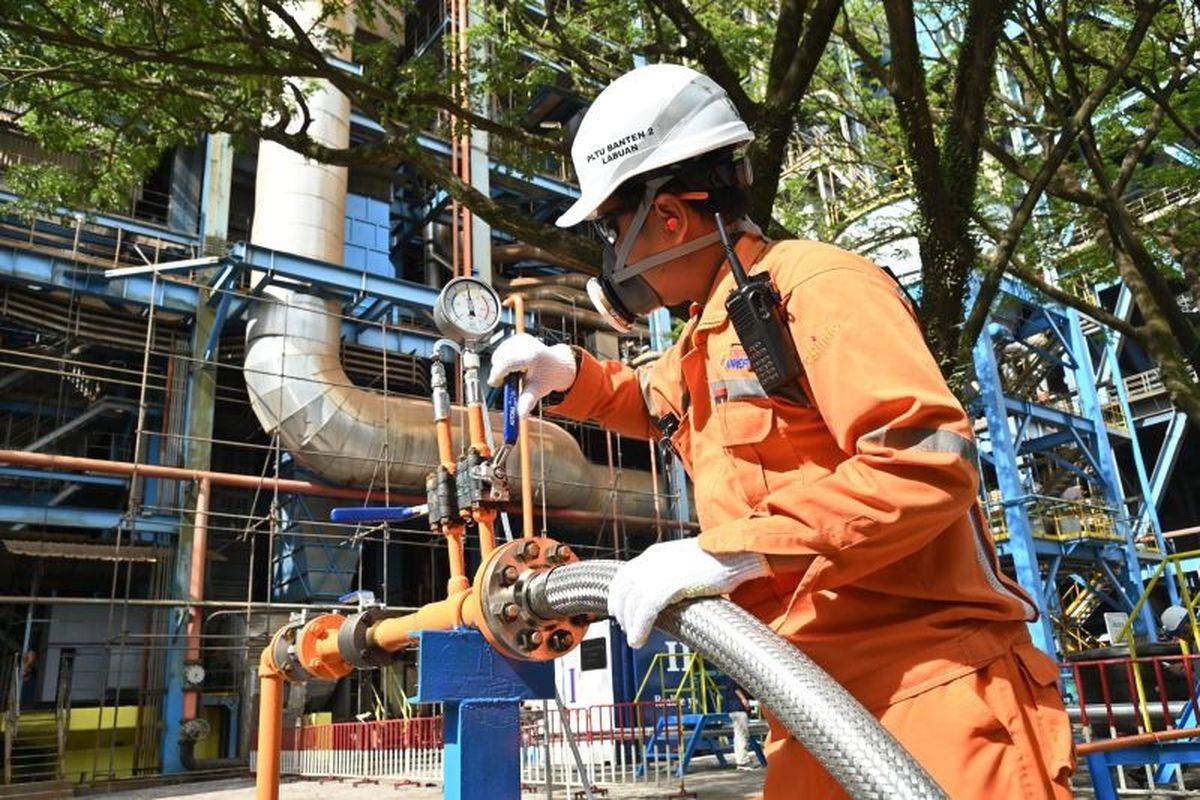
Early trials, such as the ammonia co-firing test at the Labuan plant conducted with Japan's IHI Corporation, show that blending ammonia into coal systems is technically feasible, even if only at very low levels so far.
This growing collaboration is not accidental. Japan has been actively promoting ammonia co-firing across Asia through AZEC, a regional framework designed to align decarbonization with industrial cooperation.
At Suralaya, feasibility studies supported by Japan's Ministry of Economy, Trade and Industry and companies like Mitsubishi Heavy Industries are exploring ammonia use in existing coal infrastructure. At Paiton, similar studies and partnerships have been initiated under AZEC-linked agreements.
Yet this is precisely why caution is warranted. The technology's promise has outpaced its proof. So far, ammonia co-firing remains confined to pilots. Indonesia's flagship test used just a 3% ammonia blend - a level that reduces emissions only marginally.
Globally, most demonstrations have struggled to achieve more than about 20% substitution, leaving coal as the dominant fuel. Even in Japan, where the technology is most advanced, targets remain modest and experimental.

Legal Disclaimer:
MENAFN provides the
information “as is” without warranty of any kind. We do not accept
any responsibility or liability for the accuracy, content, images,
videos, licenses, completeness, legality, or reliability of the information
contained in this article. If you have any complaints or copyright
issues related to this article, kindly contact the provider above.
Most popular stories
Market Research

More Story







Comments
No comment