







403
Sorry!!
Error! We're sorry, but the page you were looking for doesn't exist.
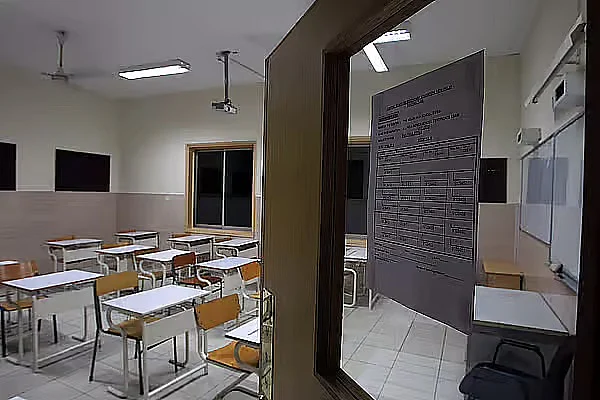
Eid Al Adha Break: How It Impacts UAE School Schedules What Parents Should Know
(MENAFN- Khaleej Times) From moon sightings to revision plans and 'bridge days', here's what UAE parents need to know ahead of the next long school break
- By: Nandini Sircar
[Editor's Note: This article is part of Khaleej Times' Schools and Parents , a dedicated section designed to support families in the UAE as they explore educational choices. The section offers explainers, guidance from education leaders, expert advice and insights from parents to help readers make informed decisions about schools, curricula and communities.]
For families across the UAE, Eid holidays are more than just days off school. They shape travel plans, revision schedules, family gatherings and, for many parents, the annual challenge of balancing celebrations with academics.
Recommended For YouThis year, Eid Al Adha is expected to deliver one of the longest school breaks of 2026 - potentially creating a 9-day weekend when public holidays align with regular weekends. Here is a guide to understanding how Eid holidays work in UAE schools - and what families can realistically expect.
Stay up to date with the latest news. Follow KT on WhatsApp Channels.
When is the Eid Al Adha break expected this year?
The UAE Ministry of Education (MOE) has announced that the third-semester mid-term and Eid Al Adha break for students, as well as administrative and teaching staff, will run from Monday, May 25 to Friday, 29.
With weekends falling on Saturday and Sunday, May 23–24 respectively, and again on May 30–31, the schedule effectively creates a nine-day break from classes.
However, for private schools, the holiday would begin on Tuesday, May 26, with Arafat Day.
It would then continue through Wednesday, May 27, Thursday, May 28 and Friday, May 29.
Since the break aligns with the weekend, families could receive a six-day holiday stretch.
Why do Eid dates change every year?
Unlike fixed holidays on the Gregorian calendar, Islamic holidays follow the Hijri lunar calendar.
That means dates move earlier by roughly 10 to 11 days every Gregorian year.
The beginning of each Islamic month is traditionally linked to the sighting of the crescent moon. As a result, official confirmation of Eid often happens close to the holiday itself.
For many expatriate families new to the UAE, this can initially feel confusing.
As Eid is rooted in the Islamic lunar calendar, its exact dates are traditionally confirmed through the sighting of the crescent moon. While authorities usually announce expected holiday windows well in advance to help schools and families plan, the final confirmation remains closely tied to a long-standing religious and cultural tradition centred on the lunar cycle.
In practical terms, UAE authorities usually announce likely holiday windows ahead of time to help schools, businesses and families plan. However, final confirmation remains tied to the official moon-sighting process.
That balance between advance preparation and religious tradition is something many long-time UAE residents eventually become familiar with.
How far in advance do schools plan Eid schedules?
Most schools begin internal planning weeks - and sometimes months - ahead of major Islamic holidays.
School leaders say this is especially important during the final academic term, when revision schedules, assessments and year-end activities become tightly packed.
Many schools now communicate holiday expectations well in advance through parent portals, email circulars and school apps to minimise uncertainty for families.
Parents are usually informed about:
- Final school days before the break
Return dates
Assignment deadlinesRevision schedules
Examination timetablesOnline learning expectations, if any
Transport schedule adjustmentsSeveral UAE private schools say early communication has become increasingly important after years in which schools had to adapt quickly during periods of remote and hybrid learning.
Schools are also aware that many families use Eid breaks for international travel, making advance notice essential for flight bookings and planning with family.
What are 'bridge days' and extended weekends?
A 'bridge day' refers to an additional day off placed between a public holiday and the weekend to create a longer continuous break.
For example, if a holiday falls on a Thursday, some schools or workplaces may designate Friday as a bridge day, effectively creating a four-day weekend.
In the UAE, this often depends on how official public holidays align with weekends and whether educational authorities approve adjustments.
For parents, bridge days can significantly affect:
- Childcare planning
Travel costs
Exam preparation schedulesReturn-to-school routines
Long weekends also tend to trigger heavy travel demand across the Emirates, especially when school breaks coincide with public holidays.
Travel agencies typically report spikes in flight and hotel bookings during Eid periods, with many UAE residents planning overseas trips, staycations or visits to extended family.
Will students receive homework during Eid breaks?
It depends on the school and the age group.
Many UAE schools highlight that they are increasingly focusing on balanced learning rather than assigning excessive holiday work.
For younger students, schools often encourage reading, family activities and light enrichment tasks instead of formal assignments.
For older students - particularly those preparing for external high-stake examinations - schools may
However, educators stress that Eid holidays are also important for emotional wellbeing and family connection.
Many schools stress that the goal is to maintain continuity without overwhelming students.
How are schools balancing academics and wellbeing before Eid?
School leaders pointed out that student wellbeing remains a major priority, particularly as many schools enter high-pressure assessment periods before the end of the academic year.
Kenny Duncan, Principal of Nord Anglia International School Dubai, said schools are viewing Eid as an important opportunity for reflection and unity.
“We must view Eid as an important cultural and religious opportunity for reflection, celebration, and to be thankful for the unity we have shared across the UAE during these challenging times,” he said.
He added that schools are focusing both on learning continuity and student welfare.
“For the vast majority of our students their learning has continued without significant disruption or pause thanks to the exceptional work of our highly professional and experienced teaching staff, and the high quality of our online provision.”
Duncan said schools are also paying close attention to children's emotional wellbeing alongside academic progress.
“Currently, there is a significant focus on each child's welfare, wellbeing, and psychological health, alongside their ongoing academic progress.”
Are schools changing academic calendars because of Eid?
Schools are not expecting major calendar changes.
Instead, schools are reorganising revision schedules and classroom planning around the holiday period to ensure students remain on track.
Administrators say the challenge is particularly significant during this term because:
- Second round of CBSE Class 10 board exams falls during the Eid holiday period between May 15 and June 1 in many schools
Some families extend holidays beyond official dates
Teachers in International and Asian curricula need to complete curriculum targets before the long summer breakSeveral schools are therefore increasing revision support before the break.
This includes informing students and their families well in advance, earlier sharing of study materials and targeted revision sessions.
How are exam-year students being supported?
For examination cohorts, especially in Indian curriculum schools, the focus remains heavily on structured revision and minimising learning gaps.
Abhilasha Singh, Principal of Shining Star International School, emphasised that schools are relying on structured revision plans and digital learning tools to support students.
“This includes planned revision schedules and the use of data-driven instruction to address learning gaps,” she said.
“We are also maintaining continuity through digital platforms, guided assignments, and reinforcement strategies during the holiday period, where appropriate."
She noted that as many Class 10 CBSE students are preparing for the second board exam, careful planning is particularly important.
What should parents do now?
With Eid travel demand expected to rise sharply, parents may benefit from planning early.
Schools advise families to:
- Monitor official school communication channels
Avoid extending holidays beyond approved dates
Check assessment calendars carefullyConfirm reopening schedules before travel
Prepare children for a smooth transition back to schoolParents should also remember that official Eid dates remain subject to moon sighting confirmation.
While projected calendars are usually accurate, slight adjustments are always possible.
ALSO READ- What parents need to know: Dubai schools restart outdoor activities What UAE parents can expect to pay this term: School fees, bus charges, refunds explained

Legal Disclaimer:
MENAFN provides the
information “as is” without warranty of any kind. We do not accept
any responsibility or liability for the accuracy, content, images,
videos, licenses, completeness, legality, or reliability of the information
contained in this article. If you have any complaints or copyright
issues related to this article, kindly contact the provider above.
Most popular stories
Market Research

More Story







Comments
No comment