

403
Sorry!!
Error! We're sorry, but the page you were looking for doesn't exist.
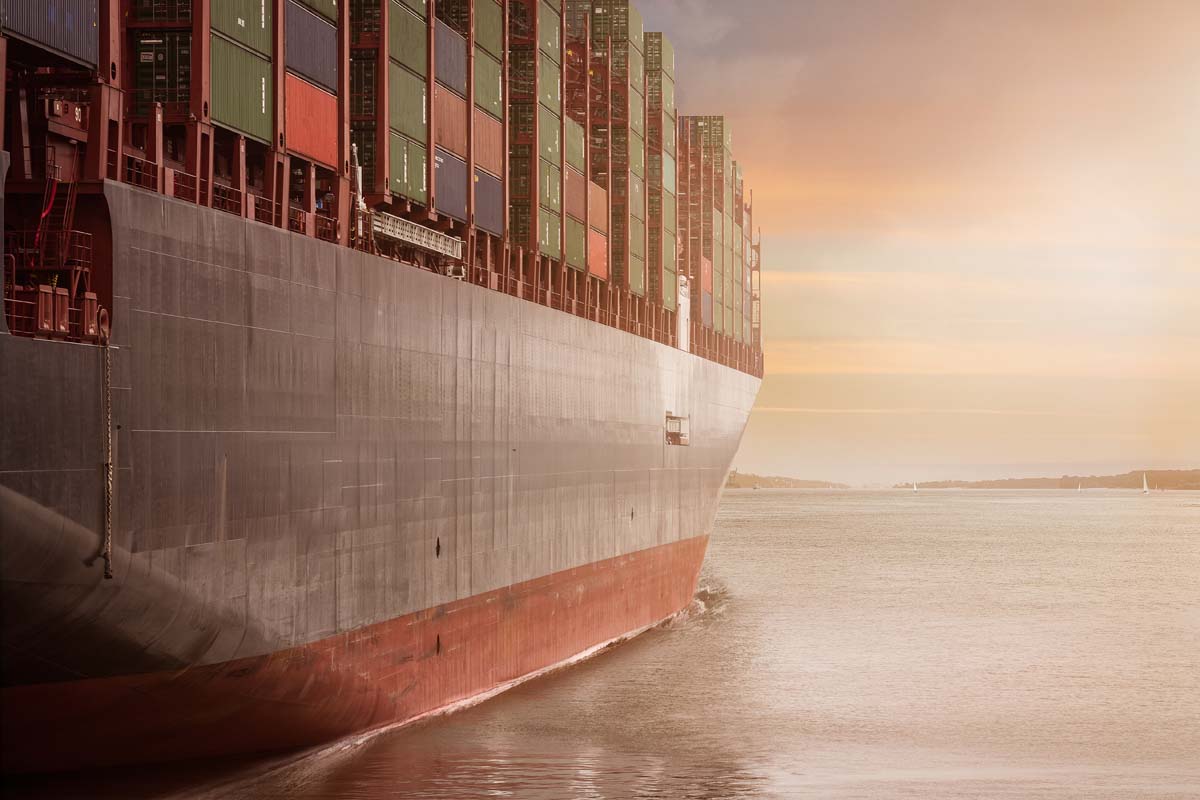
1,900 Ships Stuck as Iran Shuts Strait of Hormuz


(MENAFN) Nearly 1,900 commercial vessels lie immobilized in and around the Strait of Hormuz — the world's most critical maritime chokepoint — since the United States and Israel launched their joint military offensive against Iran on Feb. 28, triggering an unprecedented standstill in global shipping.
Tehran moved swiftly after the attacks began, effectively sealing the strategic waterway to any vessel with ties to the aggressor nations, bringing maritime traffic through the strait to a near-total halt. Most stranded ships have since dropped anchor in open waters while awaiting developments.
Iran has signaled limited exceptions: vessels from countries uninvolved in the conflict may still navigate the strait, provided they neither participate in nor facilitate aggression against Iran and comply fully with its security and safety protocols. However, Ebrahim Zolfaqari, spokesperson for Iran's unified military command, Khatam al-Anbiya Central Headquarters, made clear on Wednesday that Tehran has permanently altered the rules governing the strait — and that conditions will not revert to their pre-war state. He stressed that no entity with links to the US or Israel retains any right of passage.
Real-time vessel tracking platform MarineTraffic recorded approximately 1,900 ships unable to move in the strait's vicinity between March 20 and 22. The stranded fleet spans a sweeping range of vessel types: 324 bulk carriers, 315 oil and chemical product carriers, 267 petroleum product carriers, and 211 crude oil tankers — with the remainder comprising 177 general cargo ships, 174 container vessels, 98 liquefied petroleum gas carriers, 42 asphalt and bitumen carriers, 37 heavy-lift ships, 34 LPG and chemical tankers, and an assortment of Ro-Ro cargo vessels, fuel supply tankers, and other specialty craft.
Energy analytics firm Vortexa estimates that roughly 190 million barrels of crude oil and petroleum products are currently sitting aboard those trapped tankers — a volume large enough to rattle global energy supply chains. Germany's shipping giant Hapag-Lloyd has confirmed that six of its vessels are among those unable to operate in the Persian Gulf.
Freight Rates Spike as No Viable Alternative Emerges
The economic shockwaves are registering sharply in global freight markets. Filipe Gouveia, maritime analysis director at the Baltic and International Maritime Council, told media that the ultimate market impact will hinge on several variables — including how long the strait remains closed, how fuel prices evolve, and how many vessels Iran ultimately permits to pass.
The tanker market has taken the hardest blow. Gouveia noted that since Feb. 27, the Baltic Dirty Tanker Index has surged 49% and the Baltic Clean Tanker Index has spiked 78% as of March 20. Container freight rates have followed suit, compounded by fuel cost increases and emergency surcharges imposed by major shipping lines.
The stakes for global trade are enormous. Under normal circumstances, the Strait of Hormuz serves as a conduit for 30% of the world's seaborne oil exports, 4% of dry bulk cargo, and 3% of global container volume, Gouveia explained. Alternative supply sources can offset only a fraction of Persian Gulf exports, and overland routes fall critically short of the capacity needed to absorb the shortfall.
He further estimated that approximately 5.5% of the world's tanker fleet and 1.5% of the global container and dry cargo fleet are presently trapped within the Persian Gulf — a concentration of idle shipping capacity with no immediate or adequate escape route.
Tehran moved swiftly after the attacks began, effectively sealing the strategic waterway to any vessel with ties to the aggressor nations, bringing maritime traffic through the strait to a near-total halt. Most stranded ships have since dropped anchor in open waters while awaiting developments.
Iran has signaled limited exceptions: vessels from countries uninvolved in the conflict may still navigate the strait, provided they neither participate in nor facilitate aggression against Iran and comply fully with its security and safety protocols. However, Ebrahim Zolfaqari, spokesperson for Iran's unified military command, Khatam al-Anbiya Central Headquarters, made clear on Wednesday that Tehran has permanently altered the rules governing the strait — and that conditions will not revert to their pre-war state. He stressed that no entity with links to the US or Israel retains any right of passage.
Real-time vessel tracking platform MarineTraffic recorded approximately 1,900 ships unable to move in the strait's vicinity between March 20 and 22. The stranded fleet spans a sweeping range of vessel types: 324 bulk carriers, 315 oil and chemical product carriers, 267 petroleum product carriers, and 211 crude oil tankers — with the remainder comprising 177 general cargo ships, 174 container vessels, 98 liquefied petroleum gas carriers, 42 asphalt and bitumen carriers, 37 heavy-lift ships, 34 LPG and chemical tankers, and an assortment of Ro-Ro cargo vessels, fuel supply tankers, and other specialty craft.
Energy analytics firm Vortexa estimates that roughly 190 million barrels of crude oil and petroleum products are currently sitting aboard those trapped tankers — a volume large enough to rattle global energy supply chains. Germany's shipping giant Hapag-Lloyd has confirmed that six of its vessels are among those unable to operate in the Persian Gulf.
Freight Rates Spike as No Viable Alternative Emerges
The economic shockwaves are registering sharply in global freight markets. Filipe Gouveia, maritime analysis director at the Baltic and International Maritime Council, told media that the ultimate market impact will hinge on several variables — including how long the strait remains closed, how fuel prices evolve, and how many vessels Iran ultimately permits to pass.
The tanker market has taken the hardest blow. Gouveia noted that since Feb. 27, the Baltic Dirty Tanker Index has surged 49% and the Baltic Clean Tanker Index has spiked 78% as of March 20. Container freight rates have followed suit, compounded by fuel cost increases and emergency surcharges imposed by major shipping lines.
The stakes for global trade are enormous. Under normal circumstances, the Strait of Hormuz serves as a conduit for 30% of the world's seaborne oil exports, 4% of dry bulk cargo, and 3% of global container volume, Gouveia explained. Alternative supply sources can offset only a fraction of Persian Gulf exports, and overland routes fall critically short of the capacity needed to absorb the shortfall.
He further estimated that approximately 5.5% of the world's tanker fleet and 1.5% of the global container and dry cargo fleet are presently trapped within the Persian Gulf — a concentration of idle shipping capacity with no immediate or adequate escape route.

Legal Disclaimer:
MENAFN provides the
information “as is” without warranty of any kind. We do not accept any
responsibility or liability for the accuracy, content, images, videos,
licenses, completeness, legality, or reliability of the information
contained in this article. If you have any complaints or copyright issues
related to this article, kindly contact the provider above.
Comments
No comment