








403
Sorry!!
Error! We're sorry, but the page you were looking for doesn't exist.
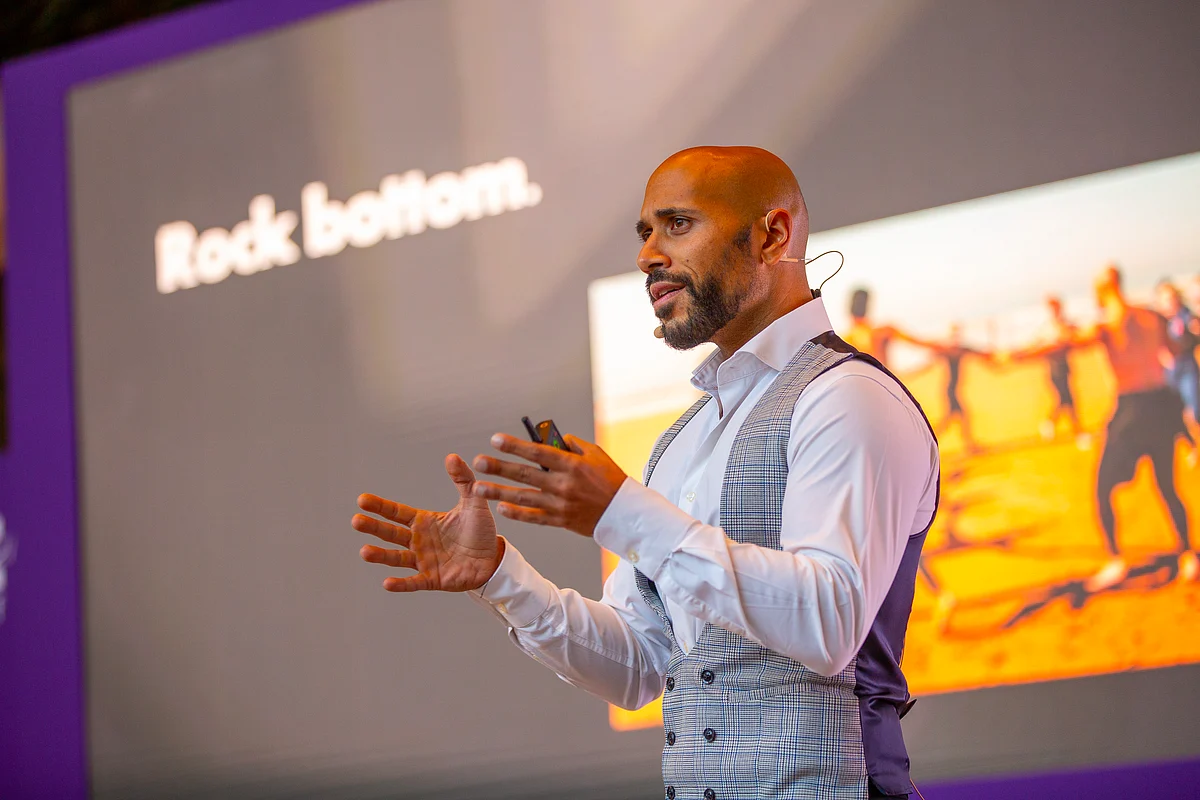
Meet The Dubai Coach Helping Men Reclaim Emotional Strength
(MENAFN- Khaleej Times) How Adil Hussain, founder of The Man Cave Project, is creating safe spaces for emotional resilience and brotherhood in the UAE
source on Google
- PUBLISHED: Wed 25 Feb 2026, 5:36 PM
- By: Zenifer Khaleel
source on Google
- Share:
At 37, Dubai expat Adil Hussain is quietly reshaping what masculinity looks like in the UAE. A British men's coach and founder of the The Man Cave Project, Adil works at the intersection of emotional resilience, brotherhood, and modern male identity; creating a space that, until recently, few were willing to publicly acknowledge.
Recommended For YouBreaking stereotypes
Raised in London by a Pakistani father, Adil grew up with a clear template of what a“real man” should be: tough, resilient, emotionally contained. Vulnerability was weakness. Tears were unacceptable. Sensitivity was something to outgrow.
“I was a deeply sensitive child,” he reflects.“But the message around me was clear that men don't cry.”
Academically, he excelled. Like many children of immigrant families, education was prioritised as the pathway to stability and success. Social development and extracurricular activities were secondary. Outwardly, he appeared accomplished. Inwardly, he struggled with confidence and belonging.
As he entered adolescence, the gap between who he was and who he believed he should be widened. He watched his father and the assertive men portrayed in film and television and searched for himself in them, failing to find a reflection.
That dissonance created shame.
To compensate, he learned to perform 'masculinity'. He became adaptable and socially fluid like a chameleon. But beneath the surface, insecurity simmered. Emotional suppression, reinforced both at home and among peers, became second nature.
“Even in male friendship groups, if you tried to get deep, it was shut down with humour or 'Have a drink and forget about it,'” he says.“Silence and distraction were the coping mechanisms.”
Over time, the cost of that silence showed up as unprocessed anger and frustration, often directed at the people he cared about most.
The hidden struggles
Today, through The Man Cave Project, Adil has worked with hundreds of men in Dubai - founders, executives, professionals who appear outwardly accomplished.
And yet, beneath the polished surface, he sees recurring patterns.
Isolation is the most common.
“When times get hard, most men withdraw,” he explains.“They struggle to say out loud that they're not coping.”
In the UAE, where many expatriate men relocate alone in pursuit of financial and professional success, loneliness often becomes the unspoken companion. Long work hours, performance-driven environments, and transient social circles make building deep friendships difficult.
Many believe happiness will arrive once enough money is earned. But Adil has observed that wealth rarely resolves internal struggles but rather often amplifies them. Self-doubt persists. Confidence remains fragile. Emotional regulation is underdeveloped.
Others lose themselves in relationships, addiction, overwork, or weekend escapism. Some quietly hate their jobs. Some feel voiceless in their marriages. Others neglect their families in pursuit of financial security.
“Every path has a cost,” he says.“And many men only realise that once they're already disconnected from themselves or the people they love.”
Avoiding therapy
Despite growing awareness around mental health in the UAE, Adil notes that many men still hesitate to engage with traditional support systems like therapy or counselling.
There's stigma but there's also structure.
“Men are results-driven,” he explains.“If they go to the gym consistently, they can measure progress. Therapy can feel abstract, especially when combined with financial cost.”
Time is another barrier. Between work, financial pressure, and family responsibilities, personal wellbeing is deprioritised. Many believe support is only necessary at breaking point.
That gap between crisis and silence is where The Man Cave Project was born.
Inside the cave
Far from a stereotypical support group, The Man Cave Project blends emotional work with social connection and physical training. Weekly men's circles operate alongside bootcamps, community events, and networking spaces.
The philosophy is simple: men don't live in compartments.
Mental wellbeing, physical health, relationships, and purpose are interconnected. Providing multiple entry points lowers the barrier to engagement. A man may arrive for a workout and, over time, feel comfortable stepping into deeper emotional work.
Inside the circles, there's a strict code: no ego, no judgement, no unsolicited advice. What's shared stays in the room.
“For many men, it's the first time they've spoken openly without fear of being mocked or misunderstood,” Adil says.
The results are often immediate. Men who enter claiming they don't trust other men sometimes open up within a single session. Some who arrive emotionally depleted rebuild confidence and direction through consistent support. Lifelong friendships have formed. Businesses have been built. Leaders have emerged from former sceptics.
“It's not about venting endlessly,” Adil clarifies.“It's about ownership, regulation, and accountability.”
Dubai's high-performance culture adds another layer to the challenge. The city's pace is relentless. Across many cultures represented in the UAE, particularly Arab and South Asian communities, men are expected to be providers, protectors, and problem-solvers.
Emotional restraint is often equated with strength.
But sustained suppression eventually surfaces as burnout, anger, addiction, or health issues.
“Stress combined with silence and loneliness is a dangerous mix,” Adil says.
While national conversations around mental health have gained momentum, he believes the next phase is translation - embedding sustainable, practical support within everyday workplace culture rather than limiting initiatives to awareness campaigns.
For organisations, that means moving beyond webinars toward structural change: manageable workloads, psychological safety, facilitated spaces for open dialogue, and practical stress-regulation tools.
A personal turning point
The catalyst for The Man Cave Project was deeply personal.
For years, Adil kept men at a distance, confiding mostly in women because it felt emotionally safer. But he realised comfort wasn't growth.
“I needed another man to look me in the eye and say, 'You're capable of more than this,'” he says.
Joining a men's group himself became transformative. For the first time, he experienced a space where vulnerability and accountability coexisted - where he felt both supported and challenged.
That experience became the blueprint for what he would later build in Dubai.
Five years from now, Adil envisions a UAE where men's mental wellbeing is openly modelled by leaders in government, business, and community spaces. Where International Men's Day and Men's Health Month are recognised with the same visibility as other wellbeing initiatives.
He also sees opportunity for broader access to therapy and coaching through insurance frameworks, alongside evidence-based practices such as breathwork, yoga, and structured men's groups.
“The momentum is already moving in the right direction,” he says.“The future doesn't feel far away.”
And for many men in the UAE, that may be the most powerful shift of all.
ALSO READ- '60 isn't old anymore': How UAE club helps senior citizens play pickleball, learn gardening Oh My Desk: Building a new kind of coworking space and business center in Dubai

Legal Disclaimer:
MENAFN provides the
information “as is” without warranty of any kind. We do not accept
any responsibility or liability for the accuracy, content, images,
videos, licenses, completeness, legality, or reliability of the information
contained in this article. If you have any complaints or copyright
issues related to this article, kindly contact the provider above.
Most popular stories
Market Research

More Story







Comments
No comment