







403
Sorry!!
Error! We're sorry, but the page you were looking for doesn't exist.
How A Boy's Slap In Kashmir Exposed The Limits Of Courtesy
(MENAFN- Kashmir Observer)
By Mohammad Ilyas Bhat
ADVERTISEMENT
On a busy, lively afternoon in Srinagar, I drove through the honking traffic and people weaving between the lanes.
ADVERTISEMENT
That's when I noticed a man walking briskly, holding the hand of a little boy who looked about six.
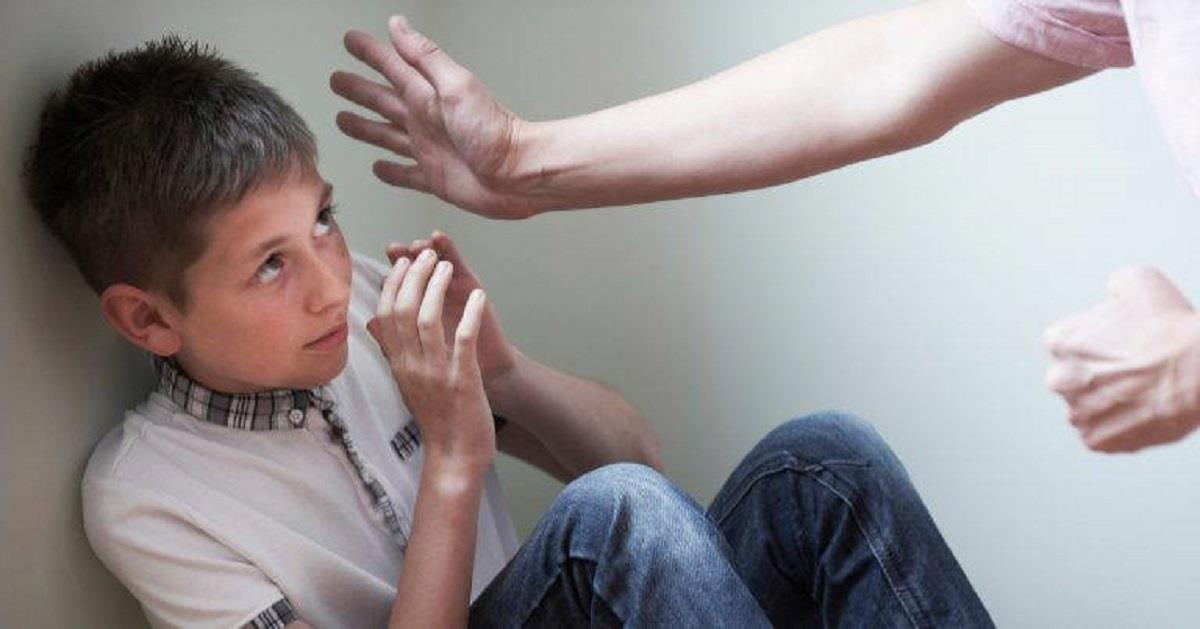
The little boy's short legs struggled to keep up, and he stumbled. The man swung his arm and hit the boy's cheek in anger.
The sound rang in my ears as I slammed on the brakes and jumped out of the car.
My heart raced with shock and determination as I hurried toward them. I faced the man and asked firmly,“Why would you hit someone so small and innocent?”
He straightened and said he was the boy's father, like that gave him the right to do anything.
His words felt like a challenge, but I didn't back down.
I told him that having a child doesn't give anyone glory if they don't care for them, and no parent has the right to hurt someone who depends completely on them.
People nearby started to gather, their murmurs turning into voices supporting me.
ADVERTISEMENTOne woman nodded and spoke up, while a couple of men stepped closer, showing their support.
The father grew uncomfortable under everyone's watchful eyes and accused me of behaving badly in front of his son.
He said that stepping in like this challenged his authority and was almost disrespectful.
I calmly replied that true respect comes from stopping harm, no matter who's involved.
I recalled the teachings of the last Prophet, peace be upon him, who said that good behaviour is the greatest gift anyone can bring to a community.
But when those in power use it only for control, it can turn into a tool that harms the powerless.
That roadside encounter made me realize how manners can sometimes protect power rather than fairness.
I stood there for a while, surrounded by strangers who had quickly become allies, and noticed how often people care more about appearances than doing what's right.
True kindness lifts those without power, helping them toward equality instead of keeping them under someone else's control.
Kindness that lets cruelty happen is just fear disguised as politeness.
Our communities are masters of this subtle art, often valuing appearances over what really matters.
Imagine a house on fire while people fuss over the cleanest bowl for their rituals. Picture a blind person waiting on a street corner as others handle their devotion with ease.
We shout our faith to the skies, but fall silent when faced with injustice.
Our kindness shines on the surface, but deep down, our awareness remains clouded.
I drove away from that scene with a mix of emotions, replaying the boy's wide eyes and the father's defiant stance.
That evening, the incident sparked a conversation among friends, and we shared similar moments from our own lives.
Read Also Life of Survival and Love for Kashmiri Grandmother Healing, Art, and Life After Loss in KashmirOne friend recalled a workplace scene where a boss publicly scolded an employee, and everyone stayed silent to keep the peace. Another spoke about a family gathering where an uncle harshly addressed his niece, met only with turned heads.
These stories together mirrored my afternoon, showing how deeply this pattern runs.
Good behaviour can truly make a difference, shining brightest when paired with bold action. But people often twist it to silence dissent and protect harmful ways, turning it into little more than decoration on decay.
I began seeing this pattern across society: leaders invoking tradition to justify policies that harm the vulnerable, teachers enforcing strict rules without considering students' feelings, and even places of worship running rituals flawlessly while ignoring the struggles of their congregants.
The Prophet's wisdom, peace be upon him, goes beyond words. It calls for action.
His teachings show how kindness can guide every interaction, turning communities into places of support and care.
I thought about the stories where he stepped into disputes gently but firmly, showing a balance that we sometimes miss today.
The road rage episode made me think on my own actions.
When a neighbour argues loudly with his spouse, do I just turn up the TV, or do I offer a listening ear? When a colleague faces unfair treatment, do I speak up in support, or stay silent?
That boy's face still comes back to me in silent moments, an image of innocence caught in adult conflicts.
The father's slap showed a mindset where power is often used as an excuse. Stepping in, even briefly, encouraged others to speak up, showing how shared voices can strengthen individual courage.
We grow stronger when we choose to act together, building solidarity that breaks the sense of isolation.
In the days that followed, I shared this story on a local community forum. People responded with similar experiences and thoughtful ideas.
Some suggested awareness campaigns to rethink parenting, with an emphasis on positive discipline. Others proposed workshops inspired by prophetic teachings, to build communities where courtesy empowers rather than silences.
Those talks gave me hope. They reminded me that change begins with self-awareness and slowly redefines the norms we live by.
In the end, that moment on the road reminded me to put people before appearances.
Things work better when kindness is used to do the right thing.
Even small actions matter, and together they can make the world a little fairer and more caring.
-
The author works in agricultural seed production and is currently writing his first short story collection in Kashmir.

Legal Disclaimer:
MENAFN provides the
information “as is” without warranty of any kind. We do not accept
any responsibility or liability for the accuracy, content, images,
videos, licenses, completeness, legality, or reliability of the information
contained in this article. If you have any complaints or copyright
issues related to this article, kindly contact the provider above.
Most popular stories
Market Research

More Story


Comments
No comment