




403
Sorry!!
Error! We're sorry, but the page you were looking for doesn't exist.
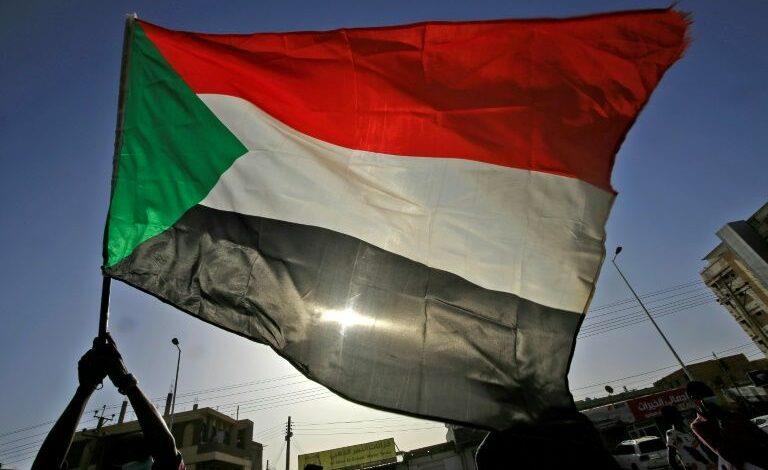
Sudan 2025: A Year Of Military Transformation
(MENAFN- Kuwait News Agency (KUNA))
Report by Mohammad Abdulaziz
KHARTOUM, Jan 7 (KUNA) -- The year 2025 marked a major shift in Sudan's conflict, as fighting that began on April 15, 2023 moved from fast-changing war into a long conflict based on attrition and the consolidation of areas of control.
Throughout the year, the Sudanese Armed Forces expanded control across eastern, central, and northern regions, while the Rapid Support Forces entrenched dominance in Darfur and large parts of neighboring Kordofan, producing a comparatively stable yet unresolved conflict map.
During the first half of 2025, the army moved from a defensive posture toward coordinated offensive operations, achieving significant territorial gains that altered battlefield dynamics and restored momentum following prolonged periods of pressure and strategic retreat.
In January, government forces recaptured Wad Madani and later regained key sovereign sites in Khartoum, restoring full control over the capital and expanding authority across Gezira and Sennar states in central and eastern Sudan.
Major General Dr. Amin Ismail Mujzoub told KUNA the army used air superiority and drones to disrupt Rapid Support Forces supply lines, while the RSF later achieved gains in western Sudan through flexibility and improved technical capabilities.
On October 26, the Rapid Support Forces seized El Fasher, capital of North Darfur and the army's final stronghold in the region, following a nearly two-year siege that enabled full consolidation of influence across western Sudan.
Rapid Support Forces captured Babanusa in West Kordofan while army units withdrew from the Heglig oil area, bringing most of the state under RSF control and reinforcing their west-central Sudan operational depth.
The RSF also maintained pressure through sustained sieges of Kadugli and Dilling in South Kordofan, aiming to expand territorial reach and disrupt army supply corridors linking central Sudan with peripheral regions.
Journalist and analyst Ahmad Younis told KUNA that RSF technological development in drone deployment and electronic jamming contributed to battlefield advantages in El Fasher and Babanusa while preserving maneuverability across a wide geographical theater.
Meanwhile, Kordofan fighting saw the army recapture Umm Rawaba and Rahad and reopen the El Obeid highway, as RSF tightened its siege and analysts noted army difficulties sustaining attritional warfare versus RSF mobility.
Political analyst Al-Tijani Al-Haj told KUNA that continuous attrition, trained manpower losses, and failure by either side to achieve decisive victory pushed the conflict toward semi-stable influence lines rather than rapid territorial conquest.
By the end of 2025, Sudan's conflict map appeared more stable in control lines yet more complex regarding resolution prospects, as both sides continued mobilization signaling readiness for renewed confrontations amidst absence of imminent political settlement. (end)
mam
KHARTOUM, Jan 7 (KUNA) -- The year 2025 marked a major shift in Sudan's conflict, as fighting that began on April 15, 2023 moved from fast-changing war into a long conflict based on attrition and the consolidation of areas of control.
Throughout the year, the Sudanese Armed Forces expanded control across eastern, central, and northern regions, while the Rapid Support Forces entrenched dominance in Darfur and large parts of neighboring Kordofan, producing a comparatively stable yet unresolved conflict map.
During the first half of 2025, the army moved from a defensive posture toward coordinated offensive operations, achieving significant territorial gains that altered battlefield dynamics and restored momentum following prolonged periods of pressure and strategic retreat.
In January, government forces recaptured Wad Madani and later regained key sovereign sites in Khartoum, restoring full control over the capital and expanding authority across Gezira and Sennar states in central and eastern Sudan.
Major General Dr. Amin Ismail Mujzoub told KUNA the army used air superiority and drones to disrupt Rapid Support Forces supply lines, while the RSF later achieved gains in western Sudan through flexibility and improved technical capabilities.
On October 26, the Rapid Support Forces seized El Fasher, capital of North Darfur and the army's final stronghold in the region, following a nearly two-year siege that enabled full consolidation of influence across western Sudan.
Rapid Support Forces captured Babanusa in West Kordofan while army units withdrew from the Heglig oil area, bringing most of the state under RSF control and reinforcing their west-central Sudan operational depth.
The RSF also maintained pressure through sustained sieges of Kadugli and Dilling in South Kordofan, aiming to expand territorial reach and disrupt army supply corridors linking central Sudan with peripheral regions.
Journalist and analyst Ahmad Younis told KUNA that RSF technological development in drone deployment and electronic jamming contributed to battlefield advantages in El Fasher and Babanusa while preserving maneuverability across a wide geographical theater.
Meanwhile, Kordofan fighting saw the army recapture Umm Rawaba and Rahad and reopen the El Obeid highway, as RSF tightened its siege and analysts noted army difficulties sustaining attritional warfare versus RSF mobility.
Political analyst Al-Tijani Al-Haj told KUNA that continuous attrition, trained manpower losses, and failure by either side to achieve decisive victory pushed the conflict toward semi-stable influence lines rather than rapid territorial conquest.
By the end of 2025, Sudan's conflict map appeared more stable in control lines yet more complex regarding resolution prospects, as both sides continued mobilization signaling readiness for renewed confrontations amidst absence of imminent political settlement. (end)
mam
.jpg)
Legal Disclaimer:
MENAFN provides the
information “as is” without warranty of any kind. We do not accept
any responsibility or liability for the accuracy, content, images,
videos, licenses, completeness, legality, or reliability of the information
contained in this article. If you have any complaints or copyright
issues related to this article, kindly contact the provider above.
Most popular stories
Market Research

More Story






Comments
No comment