




403
Sorry!!
Error! We're sorry, but the page you were looking for doesn't exist.
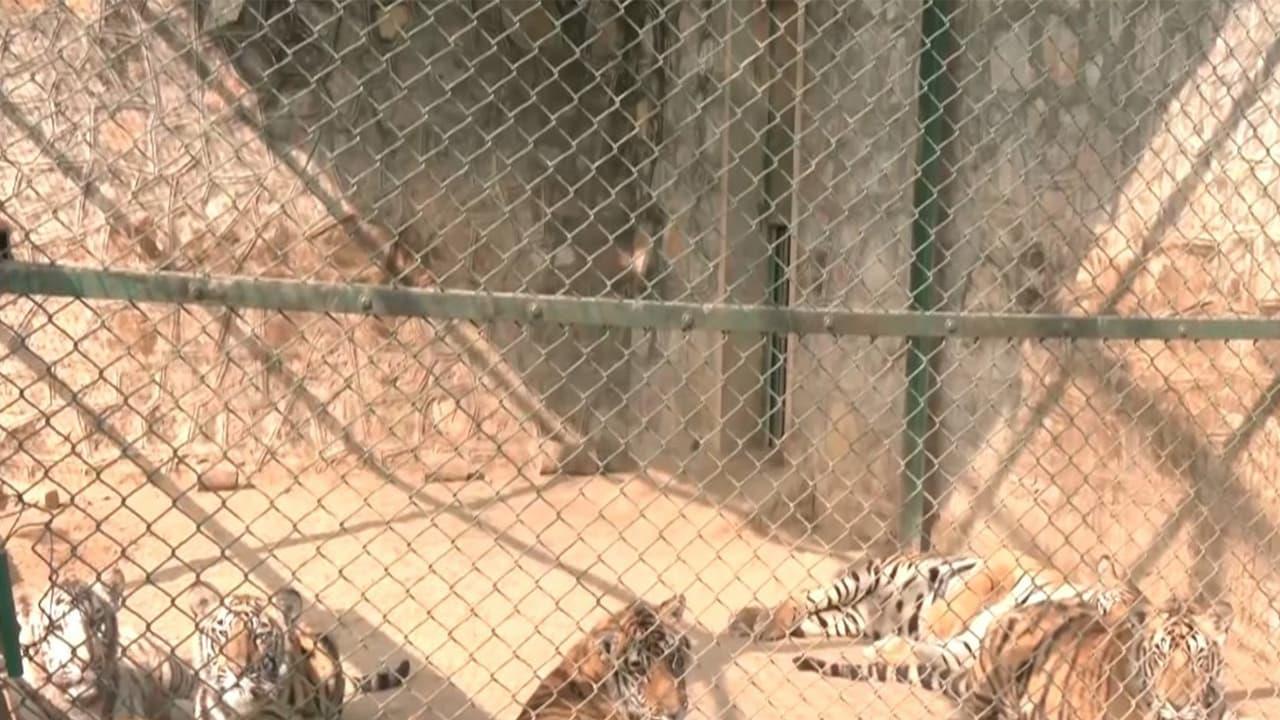
Rajasthan Cold Wave: Nahargarh Park's Animals Get Heaters, New Diet
(MENAFN- AsiaNet News)
With the onset of cold waves this winter in Rajasthan, special arrangements have been made at Nahargarh Biological Park in Jaipur to protect the wildlife from the cold. Changes have been made to the animals' routine diet, and heaters have been installed in their cages and enclosures to protect them from the cold.
Protective Measures and Diet Changes
Special arrangements have been made for the wildlife at Nahargarh Biological Park during the winter, and they are also receiving a specialised diet. Senior Veterinary Officer Dr. Arvind Mathur said that in the special diet, tigers, lions, and panthers are being given chicken along with their regular diet. In addition, special care is being taken of the young tiger cubs and lion cubs. They are receiving chicken and chicken soup in addition to their regular diet.
Speaking to ANI, Senior Veterinary Officer Dr. Arvind Mathur said, "Following severe cold, the local administration has arranged to provide relief to the animals in the zoo. Their shelters have been equipped with heaters to keep them warm. Special minerals, vitamin supplements, and a special diet have been planned for the animals."
Specific Diets for Park Residents
Wildlife is also receiving essential protein and calcium supplements. For bears, dates, honey, milk, and eggs are provided as a special diet in addition to their regular diet.
The Himalayan black bear, brought to Nahargarh Biological Park a few days ago, is also receiving a special diet of bread, apples, and honey.
According to Dr. Arvind Mathur, wolves, hyenas, and jackals are being given chicken meat and eggs daily.
Special changes have also been made to the diet of otters and hippos. They are being given carrots, apples, and bananas as a special diet. The amount of fish given to crocodiles and gharials has been increased.
Similarly, salt bricks have been placed in the enclosures of deer species. Various deer species are being fed green fodder, along with gram lentils and carrots, as a special diet.
Health and Continuous Monitoring
According to Dr. Arvind Mathur, all wild animals have been dewormed to protect them from the cold. They are also being given vitamins, minerals, calcium, amino acids, and other supplements as needed.
Dr. Mathur added that heaters have been installed in the night shelters of all the wild animals to protect them from the cold. The animals' enclosures have been covered with tarpaulins. All the wild animals are being monitored around the clock.
(Except for the headline, this story has not been edited by Asianet Newsable English staff and is published from a syndicated feed.)
Legal Disclaimer:
MENAFN provides the
information “as is” without warranty of any kind. We do not accept
any responsibility or liability for the accuracy, content, images,
videos, licenses, completeness, legality, or reliability of the information
contained in this article. If you have any complaints or copyright
issues related to this article, kindly contact the provider above.
Most popular stories
Market Research

More Story








Comments
No comment