




403
Sorry!!
Error! We're sorry, but the page you were looking for doesn't exist.
Alzheimer's Disease Market In The 7MM Is USD 5,048 Million In 2025, Analyses Delveinsight
(MENAFN- GetNews)
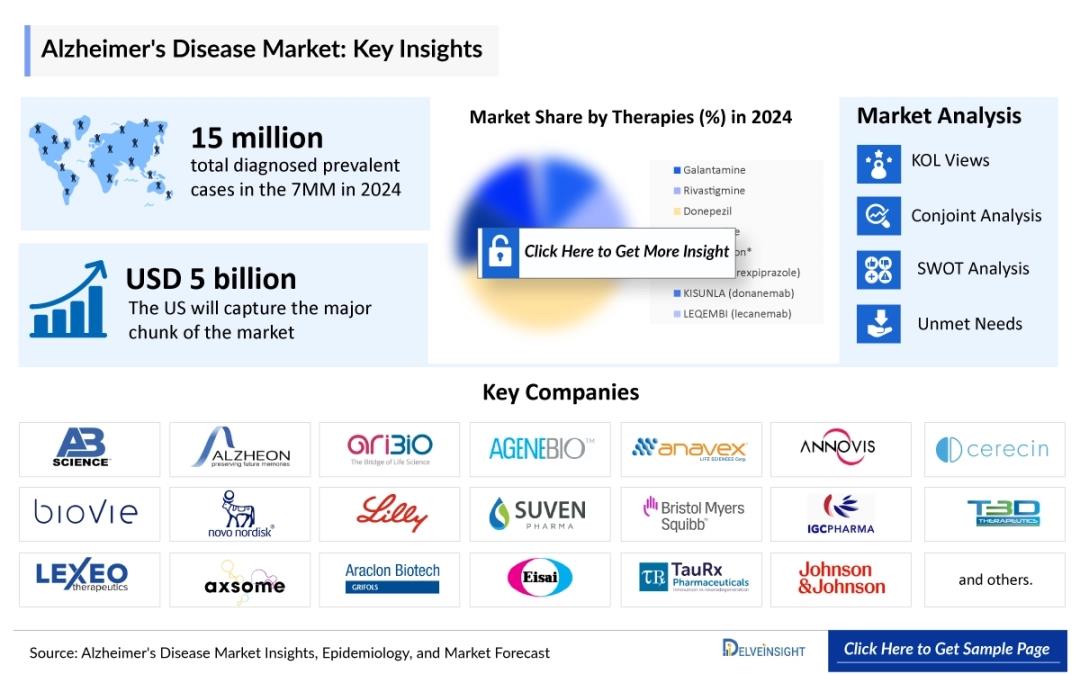
"Alzheimer's Disease Market"Alzheimer's Disease companies are Eisai, Biogen, Changchun Huayang High-tech Co. Ltd., Hoffmann-La Roche, vTv Therapeutics, AZTherapies, Cerecin, Neurotrope, Lyndra, AC Immune, INmune Bio, Cassava Sciences, EIP Pharma, Neuraly, AB Science, Cortexyme, Anavex Life Sciences, Athira Pharma, Time Therapeutics, Prilenia Therapeutics, Denali Therapeutics Inc., Stemedica Cell Technologies, Inc. and many others.
"Alzheimer's Disease Market"Alzheimer's Disease companies are Eisai, Biogen, Changchun Huayang High-tech Co. Ltd., Hoffmann-La Roche, vTv Therapeutics, AZTherapies, Cerecin, Neurotrope, Lyndra, AC Immune, INmune Bio, Cassava Sciences, EIP Pharma, Neuraly, AB Science, Cortexyme, Anavex Life Sciences, Athira Pharma, Time Therapeutics, Prilenia Therapeutics, Denali Therapeutics Inc., Stemedica Cell Technologies, Inc. and many others.
The Alzheimer's Disease market size was valued ~USD 3,610 million in 2023 and is anticipated to grow with a significant CAGR during the study period (2020-2034) and is projected to grow rapidly, reaching USD 34,335 million by 2034, driven by a strong 23.7% CAGR. The United States remains the largest Alzheimer's disease market contributor.
In 2023, the 7MM recorded 15.84 million diagnosed prevalent cases, reflecting a substantial disease burden. Prevalence is expected to continue rising, with cases projected to reach 21.5 million by 2034 due to aging populations and improved diagnostics. Gender analysis shows that in the US, 4.65 million females and 2.325 million males were affected in 2023.
Europe (EU4 + UK) reported the highest disease load in Germany (30%), followed by France (24%). The 75–84 age group accounted for the largest share of cases, while those under 65 represented the fewest.
Japan reported 2,470 thousand cases of Alzheimer's-related agitation in 2023, expected to increase by 2034. In 2024, Japan approved KISUNLA (donanemab) for early symptomatic Alzheimer's disease, strengthening its therapeutic landscape.
The current market includes approved treatments like LEQEMBI (lecanemab) and several off-label therapies. Market growth is supported by a robust pipeline of 25+ late-stage therapies, including promising candidates such as NE3107, Masitinib, Buntanetap, Simufilam, ALZ-801, Remternetug, semaglutide, and more.
.
DelveInsight's, Alzheimer's Disease market report offers a comprehensive analysis of current treatment practices, emerging therapies, and the market share of individual drugs, along with the historical and projected 7MM Alzheimer's disease market size from 2020 to 2034. The report further examines prevailing treatment approaches, key market drivers and barriers, SWOT analysis, reimbursement and market access dynamics, and unmet medical needs, providing a detailed assessment of growth opportunities and the underlying potential within the Alzheimer's disease therapeutics market.
Gain deeper insights into the evolving Alzheimer's Disease market landscape. Download DelveInsight's comprehensive market report to explore current therapies, pipeline drugs, market forecasts, and key opportunities shaping the future of Alzheimer's treatment @ Alzheimer's Disease Market ForecastSome facts of the Alzheimer's Disease Market Report are:
-
In 2023, the United States held the largest share, accounting for around 54% of the total Alzheimer's disease market in the 7MM, compared to other major markets including the EU4 (Germany, France, Italy, and Spain), the United Kingdom, and Japan.
In May 2025, the FDA granted Breakthrough Device designation to Fujirebio Diagnostics' Lumipulse G pTau217/ß-Amyloid 1-42 Plasma Ratio, an in vitro blood test designed to detect amyloid plaques in adults aged 55 and older showing signs of Alzheimer's disease.
In April 2025, the ApoE4 Alzheimer's Alliance, a new patient advocacy group, was launched to represent individuals carrying the ApoE4 gene. The Alliance seeks to address the unique needs of this community by collaborating with U.S. policymakers and the FDA, aiming to accelerate the development of innovative treatments and supportive policies for those affected by Alzheimer's disease.
According to DelveInsight, the total diagnosed prevalent cases of Alzheimer's disease in Japan were approximately 3,920 thousand in 2023.
In 2023, the United States accounted for about 44% of diagnosed Alzheimer's disease cases across the 7MM, totaling around 6,980 thousand cases, with numbers expected to rise by 2034.
Leading Alzheimer's Disease companies working in the market are Eisai, Biogen, Changchun Huayang High-tech Co. Ltd., Hoffmann-La Roche, vTv Therapeutics, AZTherapies, Cerecin, Neurotrope, Lyndra, AC Immune, INmune Bio, Cassava Sciences, EIP Pharma, Neuraly, AB Science, Cortexyme, Anavex Life Sciences, Athira Pharma, Time Therapeutics, Prilenia Therapeutics, Denali Therapeutics Inc., Stemedica Cell Technologies, Inc. and many others.
In February 2025, Annovis Bio's phase 3 Alzheimer's trial protocol was accepted, aiming to accelerate development and support a New Drug Application for buntanetap.
In February 2025, Johnson & Johnson's posdinemab, an anti-tau therapy for Alzheimer's, was granted fast track designation, addressing tau pathology to slow cognitive decline.
In January 2025, Eisai Co., Ltd. (Headquarters: Tokyo, CEO: Haruo Naito, "Eisai") and Biogen Inc. (Nasdaq: BIIB, Corporate headquarters: Cambridge, Massachusetts, CEO: Christopher A. Viehbacher, "Biogen") announced today that the U.S. Food and Drug Administration (FDA) has approved the Supplemental Biologics License Application (sBLA) for once every four weeks lecanemab-irmb (U.S. brand name: LEQEMBI®) intravenous (IV) maintenance dosing. LEQEMBI is indicated for the treatment of Alzheimer's disease (AD) in patients with mild cognitive impairment (MCI) or mild dementia stage of disease (collectively referred to as early AD) in the U.S. After 18 months of once every two weeks initiation phase, a transition to the maintenance dosing regimen of 10 mg/kg once every four weeks may be considered or the regimen of 10 mg/kg once every two weeks may be continued.
In October 2024, Annovis Bio Inc. announced that it successfully completed an End-of-Phase 2 meeting with the FDA for its Alzheimer's drug, buntanetap. The FDA has approved the progression to Phase 3 pivotal trials, following data demonstrating symptomatic improvement in patients with early Alzheimer's. Annovis is now poised to file New Drug Applications (NDAs) for both short-term and long-term efficacy in treating early Alzheimer's disease.
In September 2024, Eli Lilly's Alzheimer's treatment, Kisunla (donanemab), has been approved in Japan, following its U.S. approval in July. Kisunla becomes the second amyloid-targeting therapy approved in Japan, after Eisai and Biogen's Leqembi (lecanemab). It is indicated for adults with early symptomatic Alzheimer's disease, including those with mild cognitive impairment and mild dementia, who have confirmed amyloid pathology.
In 2023, the United States represented the largest market for Alzheimer's disease, accounting for approximately 54% of the total market size across the 7MM, compared to other major markets such as the EU4 countries (Germany, France, Italy, and Spain), the United Kingdom, and Japan.
In 2023, Germany had the largest market size for Alzheimer's disease among the EU countries, with USD 267 million, while the UK had the smallest market size, approximately USD 104 million.
In 2023, the market size for Alzheimer's disease in Japan was estimated to be approximately USD 845 million.
According to DelveInsight's assessment, the total diagnosed prevalent cases of Alzheimer's disease in Japan were estimated to be approximately 3.92 million in 2023.
In 2023, the United States accounted for about 44% of the diagnosed Alzheimer's disease cases across the 7MM, with approximately 6.98 million cases. This number is expected to grow by 2034, according to DelveInsight's estimates.
In Japan, there were approximately 1.39 million diagnosed male cases and 2.53 million diagnosed female cases of Alzheimer's disease in 2023, reflecting the gender distribution within the population.
In the US, age-specific cases of Alzheimer's disease are divided into four groups: under 65, 65–74, 75–84, and 85+ years. In 2023, the 75–84 age group had the highest prevalence, with approximately 2.79 million cases, while the under-65 group had the lowest, with around 175 thousand cases.
Key Alzheimer's Disease Therapies: BAN2401, Gantenerumab, ALZT-OP1, Bryostatin-1, ALZT-OP1, Tricaprilin, others.
The Alzheimer's Disease epidemiology based on gender analyzed that more women than men have Alzheimer's or other dementias
Alzheimer's disease Overview
Alzheimer's disease is a progressive neurodegenerative disorder characterized by memory loss, cognitive decline, and impaired daily functioning. It is the most common cause of dementia, primarily affecting older adults. The disease results from the accumulation of amyloid-beta plaques and tau tangles in the brain, leading to neuronal damage. Early symptoms include forgetfulness and difficulty planning, which gradually progress to severe cognitive and behavioral changes. With rising global aging populations, Alzheimer's prevalence is increasing significantly. Although current treatments offer symptomatic relief, emerging disease-modifying therapies targeting underlying pathology are driving advancements in care and shaping the future therapeutic landscape.
Stay ahead in the Alzheimer's Disease therapeutics market. Access DelveInsight's detailed analysis covering epidemiology trends, competitive intelligence, reimbursement outlook, and emerging therapies driving growth from 2024-2034 @ Alzheimer's Disease Treatment MarketAlzheimer's Disease Market Outlook
Current Alzheimer's disease therapies primarily focus on symptomatic management by modulating neurotransmitters such as acetylcholine, serotonin, and noradrenaline, while regulating glutamate and dopamine activity. These treatments, however, can cause side effects, emphasizing the need for personalized approaches that account for patient comorbidities and potential drug interactions. The recent approvals of LEQEMBI (lecanemab) by Biogen and Eisai, KISUNLA (donanemab-azbt) by Eli Lilly, and Brexpiprazole (REXULTI) reflect a shift toward more targeted and individualized therapeutic strategies in Alzheimer's disease management.
Alzheimer's Disease Market Dynamics: Drivers and barriers
Alzheimer's Disease Market Drivers:
-
Rising prevalence of Alzheimer's disease globally, driven by aging populations.
Increasing awareness and early diagnosis initiatives improving patient identification.
Advancements in disease-modifying therapies and targeted treatments.
Growing investment in research and development of novel therapeutics.
Expanding healthcare infrastructure and reimbursement policies facilitating treatment access.
Rising demand for personalized medicine approaches in managing Alzheimer's disease.
Alzheimer's Disease Market Barriers:
-
High treatment costs limiting patient access, especially in emerging markets.
Complex disease pathology and limited understanding of etiology hindering therapeutic development.
Potential side effects associated with current therapies affecting adherence.
Regulatory challenges and lengthy approval processes for novel drugs.
Limited availability of specialized healthcare providers in certain regions.
Diagnostic challenges and delayed disease recognition impacting early intervention.
Alzheimer's Disease Epidemiology
According to DelveInsight's estimates, Japan recorded about 3.92 million diagnosed Alzheimer's disease cases in 2023, including roughly 1.39 million men and 2.53 million women. In the United States, Alzheimer's represented around 44% of all diagnosed cases across the 7MM, reaching 6.98 million patients, with numbers expected to grow by 2034. By age segment in the US, individuals 75–84 years were the most affected, accounting for approximately 2.79 million cases, while those younger than 65 showed the lowest prevalence at about 175,000 cases.
Across the EU4 and the UK, mild cognitive impairment (MCI) remained the dominant disease stage with 2.56 million cases, whereas severe dementia was the least common, with around 645,000 cases. Neuropsychiatric symptoms also contribute significantly to the disease burden: in 2023, the US reported about 5.23 million cases of agitation, and Japan recorded nearly 2.03 million psychosis cases, both of which are projected to increase over the forecast period.
Alzheimer's Disease Epidemiology Segmentation
-
Total Diagnosed Prevalent Cases of Alzheimer's Disease in the 7MM
Age-specific Cases of Alzheimer's Disease in the 7MM
Gender-specific Cases of Alzheimer's Disease in the 7MM
Severity-specific Cases of Alzheimer's Disease in the 7MM
Alzheimer's Disease Drugs Analysis: Competitive Landscape
-
Masitinib (AB1010) – AB Science Masitinib is an oral tyrosine kinase inhibitor targeting neuro-immune cells, including mast cells and microglia, which accumulate in the central nervous system (CNS) and are implicated in Alzheimer's disease pathology. Preclinical studies have shown that masitinib protects synapses by inhibiting mast cells, improving spatial learning and restoring synaptic markers. Clinically, Phase II trials demonstrated benefits in mild to moderate Alzheimer's disease, while Phase IIb/III studies indicated a significant slowing of cognitive decline. Masitinib is currently under confirmatory Phase III evaluation.
Valiltramiprosate (ALZ-801) – Alzheon, Inc. ALZ-801 is an oral small-molecule prodrug designed to block the formation of neurotoxic amyloid oligomers in the brain. It is a valine-conjugated form of tramiprosate, metabolizing into homotaurine for enhanced absorption and prolonged blood retention. Both ALZ-801 and tramiprosate metabolize to 3-sulfopropanoic acid (3-SPA), which inhibits Aß42 aggregation. Designed to improve gastrointestinal tolerance and pharmacokinetics, ALZ-801 has shown stable plasma levels in Phase I studies. It is currently in Phase III clinical trials for early-stage Alzheimer's disease as a potential disease-modifying therapy.
Tricaprilin (CER-0001) – Cerecin Tricaprilin (CER-0001), also known as AC-1204, is an oral formulation of caprylic triglyceride that induces mild chronic ketosis to enhance mitochondrial metabolism. Alzheimer's disease is associated with reduced cerebral glucose utilization, and CER-0001 provides ketone bodies as an alternative energy source, boosting cellular metabolism. Caprylic acid is converted to acetoacetic acid and ß-hydroxybutyric acid, which form acetyl-CoA for energy production via the citric acid cycle. Clinical studies suggest cognitive improvements in mild to moderate Alzheimer's disease, particularly in APOE4-negative patients.
Bezisterim (NE3107) – BioVie NE3107 is an oral small molecule that crosses the blood-brain barrier and acts as both an anti-inflammatory agent and an insulin sensitizer. It selectively inhibits the ERK/NF-κB pathway, reducing TNF production and modulating microglial activity without impairing essential functions. This dual action may reduce CNS inflammation and insulin resistance, potentially slowing Alzheimer's progression. Previously known as HE3286, NE3107 is also under investigation for Parkinson's disease, multiple myeloma, and prostate cancer. Phase III trials in mild to moderate Alzheimer's disease have been completed, with results presented at AD/PD 2024 in Lisbon, demonstrating potential to mitigate neurocognitive decline.
Alzheimer's Disease Therapeutic Assessment
Alzheimer's Disease companies working in the market are Eisai, Biogen, Changchun Huayang High-tech Co. Ltd., Hoffmann-La Roche, vTv Therapeutics, AZTherapies, Cerecin, Neurotrope, Lyndra, AC Immune, INmune Bio, Cassava Sciences, EIP Pharma, Neuraly, AB Science, Cortexyme, Anavex Life Sciences, Athira Pharma, Time Therapeutics, Prilenia Therapeutics, Denali Therapeutics Inc., Stemedica Cell Technologies, Inc. and many others.
Stay Ahead in Alzheimer's Clinical Research – Explore the latest updates on pipeline therapies, clinical trial progress, and emerging players driving innovation in Alzheimer's disease treatment. @ Alzheimer's disease Clinical Trials and FDA ApprovalsScope of the Alzheimer's Disease market report:
-
Geography: The US, EU4 (Germany, France, Italy, and Spain) and UK, and Japan
Study period: 2020 to 2034
Forecast period: 2024 to 2034
Market Size: ~USD 5,048 million in 2025
Companies: Eli Lilly and Company, BioVie, AB Science, Cassava Sciences, Eli Lilly, TauRx Therapeutics, Novo Nordisk, KeifeRx, Eli Lilly, AriBio, Cerecin, Alzheon, Neurim Pharmaceuticals/Syneos Health, Athira Pharma, Annovis Bio, Anavex Life Sciences, AgeneBio, Eisai, and others.
Therapies: LEQEMBI (lecanemab) – Biogen Inc./Eisai Co., Ltd., KISUNLA (donanemab-azbt) – Eli Lilly and Company, Masitinib (AB1010) – AB Science, Valiltramiprosate (ALZ-801) – Alzheon, Inc., Tricaprilin (CER-0001) – Cerecin, Bezisterim (NE3107) – BioVie.
Alzheimer's Disease Report Key Insights
1. Alzheimer's Disease Patient Population
2. Alzheimer's Disease Market Size and Trends
3. Key Cross Competition in the Alzheimer's Disease Market
4. Alzheimer's Disease Market Dynamics (Key Drivers and Barriers)
5. Alzheimer's Disease Market Opportunities
6. Alzheimer's Disease Therapeutic Approaches
7. Alzheimer's Disease Pipeline Analysis
8. Alzheimer's Disease Current Treatment Practices/Algorithm
9. Impact of Emerging Therapies on the Alzheimer's Disease Market
Table of Contents
1. Key Insights
2. Executive Summary
3. Alzheimer's Disease Competitive Intelligence Analysis
4. Alzheimer's Disease Market Overview at a Glance
5. Alzheimer's Disease Disease Background and Overview
6. Alzheimer's Disease Patient Journey
7. Alzheimer's Disease Epidemiology and Patient Population
8. Alzheimer's Disease Treatment Algorithm, Current Treatment, and Medical Practices
9. Alzheimer's Disease Unmet Needs
10. Key Endpoints of Alzheimer's Disease Treatment
11. Alzheimer's Disease Marketed Products
12. Alzheimer's Disease Emerging Therapies
13. Alzheimer's Disease Seven Major Market Analysis
14. Attribute Analysis
15. Alzheimer's Disease Market Outlook (7 major markets)
16. Alzheimer's Disease Access and Reimbursement Overview
17. KOL Views on the Alzheimer's Disease Market
18. Alzheimer's Disease Market Drivers
19. Alzheimer's Disease Market Barriers
20. Appendix
21. DelveInsight Capabilities
22. Disclaimer
About DelveInsight
DelveInsight is a leading Life Science market research and business consulting company recognized for its off-the-shelf syndicated market research reports and customized solutions to firms in the healthcare sector.

Legal Disclaimer:
MENAFN provides the
information “as is” without warranty of any kind. We do not accept
any responsibility or liability for the accuracy, content, images,
videos, licenses, completeness, legality, or reliability of the information
contained in this article. If you have any complaints or copyright
issues related to this article, kindly contact the provider above.
Most popular stories
Market Research

More Story








Comments
No comment